
Healthy Homemade Cat Gravy Toppers for Picky Eaters (Easy, Budget-Friendly & Vet-Aware Ideas)
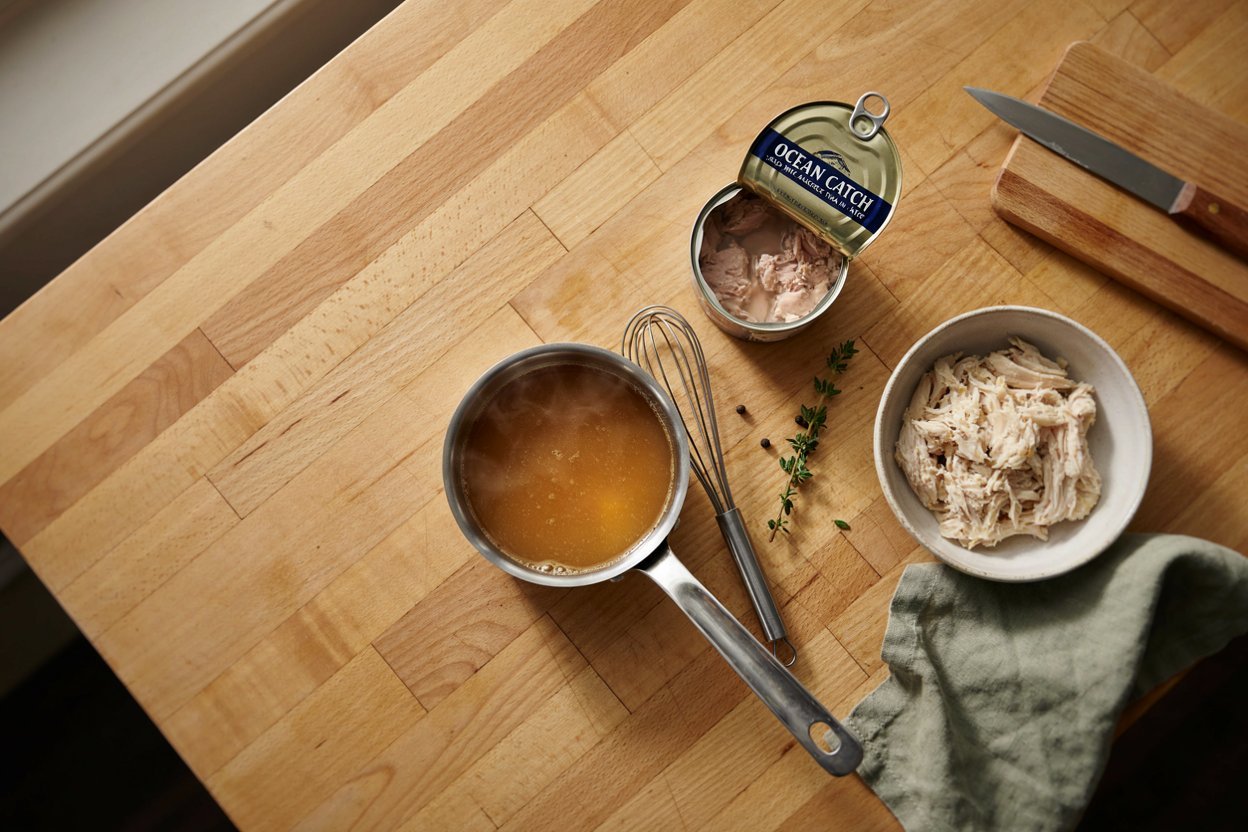
Every picky eater has a different trigger, and figuring out what actually works can feel like trial and error that never quite settles.
Some cats lose interest in food that’s gone cold, some want more moisture than a dry kibble provides, and some simply need a stronger aroma to get genuinely excited about a bowl they’ve walked past a dozen times already.
A homemade gravy topper solves a surprising amount of that at once, and it does it with ingredients that are cheap, simple, and easy to keep on hand for whenever picky eating shows up again.
If you want to explore more homemade options beyond toppers, a few related guides are worth having open alongside this one.
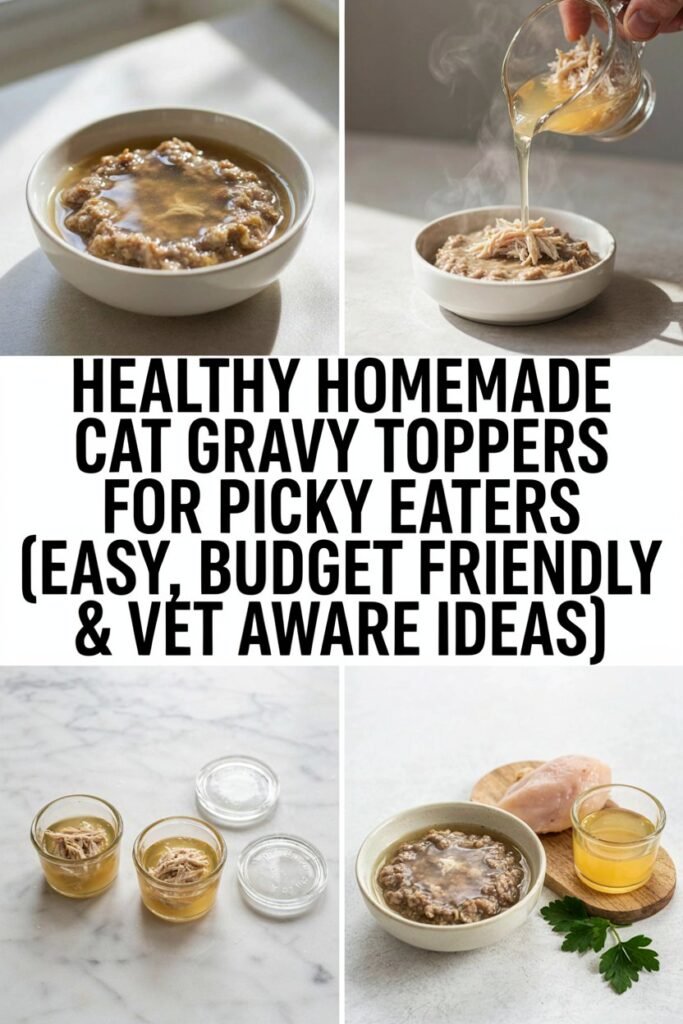
Homemade cat gravy recipes using chicken broth goes deeper into one specific broth based version if that’s the direction you want to start with, affordable homemade cat gravy food budget recipes covers more budget focused ideas, homemade chicken cat food recipe and easy chicken based homemade cat recipes cover full meals rather than toppers, homemade wet cat food recipes cats actually love and beginner homemade cat soup recipes for hydration offer more moisture focused options, cat food ingredients to avoid is worth a look for label reading in general, easy homemade cat food recipe is a good full meal companion, and cat weight gain meals and homemade cat food for senior cats cover feeding for situations where a gravy topper often helps most.
Disclaimer: This post may contain affiliate links, which means I may earn a small commission at no extra cost to you. Homemade gravy toppers should complement a complete and balanced cat diet, not replace it. Always consult your veterinarian before making significant changes to your cat’s feeding routine, especially if your cat has medical conditions or special dietary needs.
Amazon Shopping List You Need
- Nonstick Saucepan with Lid
- Unsalted Chicken or Bone Broth (Cat-Safe, Low Sodium)
- Immersion Hand Blender (For Smooth Gravy Texture)
- Stainless Steel Cat Food Bowls
- Glass Meal Prep Containers with Lids
- Measuring Cups and Spoons Set
- Silicone Freezer Cube Tray for Portioning
Why Cats Get Picky About Food in the First Place
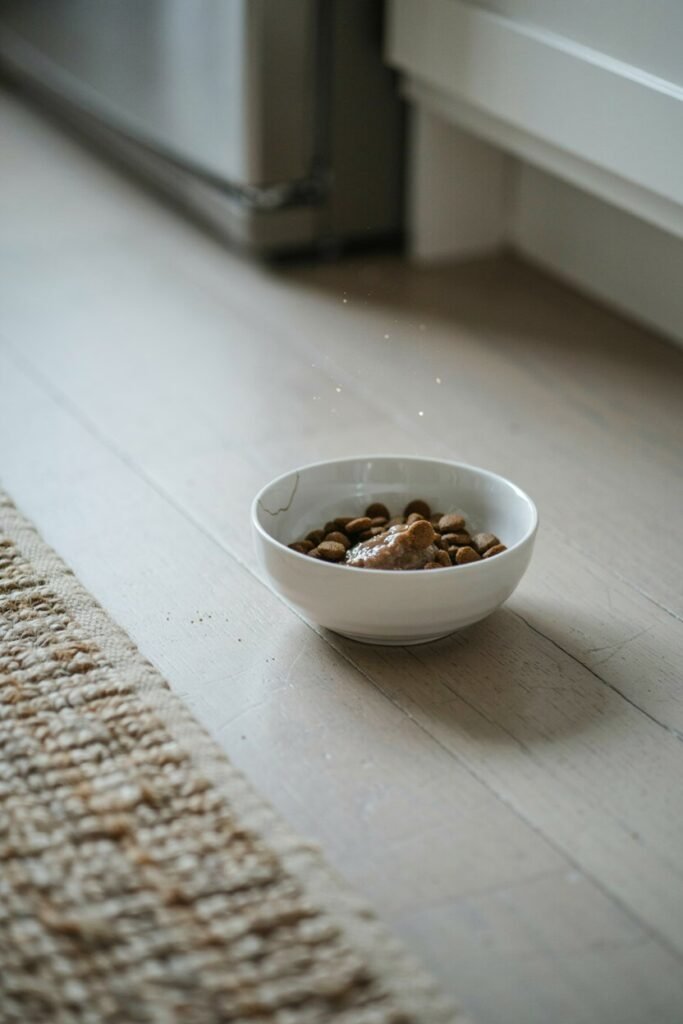
Picky eating in cats usually comes down to one of a few specific things, and understanding which one applies to your cat makes it much easier to actually fix. Some cats develop a genuine preference for a specific texture or temperature and simply won’t eat food that doesn’t match it.
Some are put off by a change in formula or batch from their usual food, even when the ingredient list looks identical on paper. Some are naturally more scent driven eaters and need a stronger aroma to register interest at all.
And in some cases, picky eating isn’t preference related at all, but an early sign of a dental issue, nausea, or another underlying health concern, which is exactly why persistent appetite loss deserves a veterinary visit rather than an indefinite string of new toppers and recipes.
When Picky Eating Is More Than Preference
A cat skipping part of a meal here and there, or showing a clear preference for one food over another, is genuinely normal and usually not a cause for concern.
What’s worth paying closer attention to is a more significant or sudden change: refusing food entirely for more than a day, noticeable weight loss, lethargy, or picky eating that shows up alongside other symptoms like vomiting or changes in litter box habits.
Cats are also uniquely vulnerable to a serious liver condition that can develop if they go without eating for even a few days, which makes prolonged appetite loss something to address with your veterinarian rather than wait out at home, however tempting it is to keep trying one more topper first.
Why Gravy Toppers Work So Well for Picky Eaters
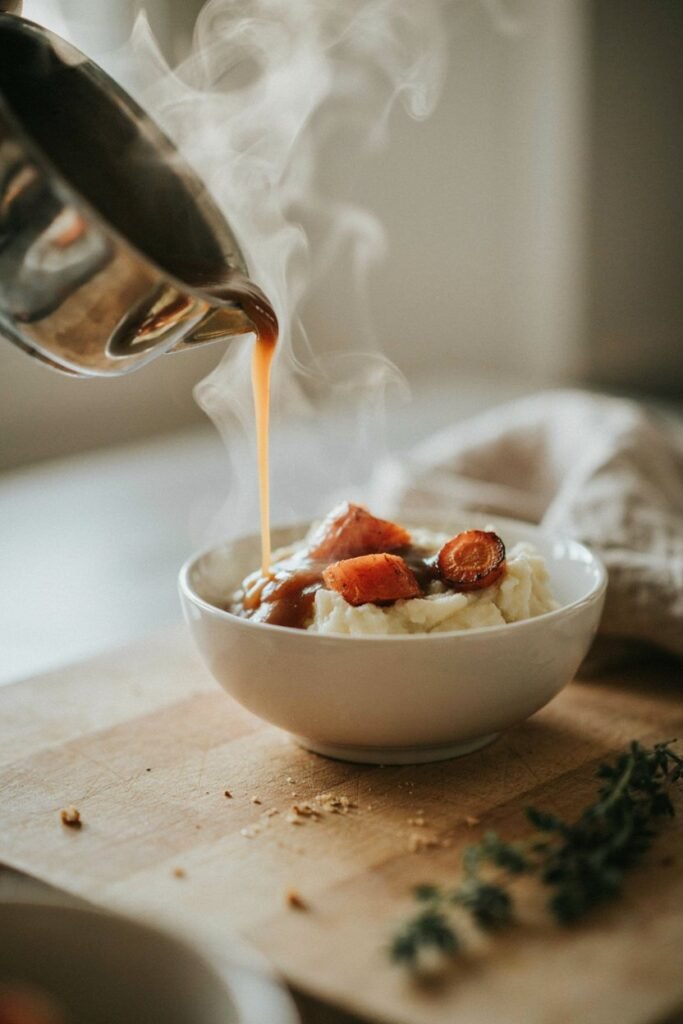
A cat’s sense of smell is dramatically more sensitive than a person’s, and a warm, aromatic gravy amplifies that signal considerably more than dry kibble or even plain wet food sitting at room temperature.
Beyond just getting a cat to eat, gravy adds moisture, which matters given how little many cats drink on their own, and it’s an easy, low cost way to breathe new life into a food your cat has otherwise grown bored with, without needing to buy an entirely new bag or case.
An Important Note Before You Start
Gravy toppers are meant to enhance a meal, not replace one, so the same strict nutritional completeness concerns that apply to a full homemade diet are less pressing here given the small quantities typically used.
That said, ingredient safety still matters in full. Any broth, meat, or liquid used needs to be completely free of onion and garlic, both common in products made for human consumption but genuinely unsafe for cats even in small amounts.
If a picky eating pattern persists despite trying a topper, or if you find yourself relying on gravy to get your cat to eat much of anything at all, that’s a sign to loop in your veterinarian rather than keep adjusting the recipe indefinitely.
Healthy Cat Gravy Topper
Yield: About 1 cup Prep Time: 5 minutes Cook Time: 5 to 10 minutes Total Time: About 15 minutes Storage: Refrigerate up to 2 to 3 days, freeze up to 1 month
Ingredients
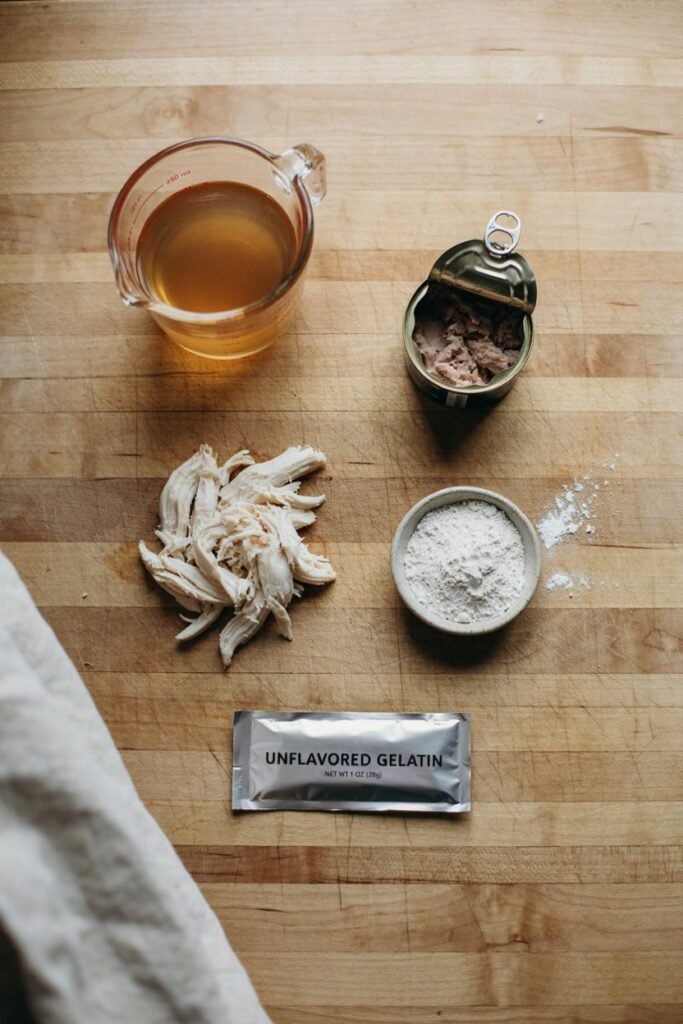
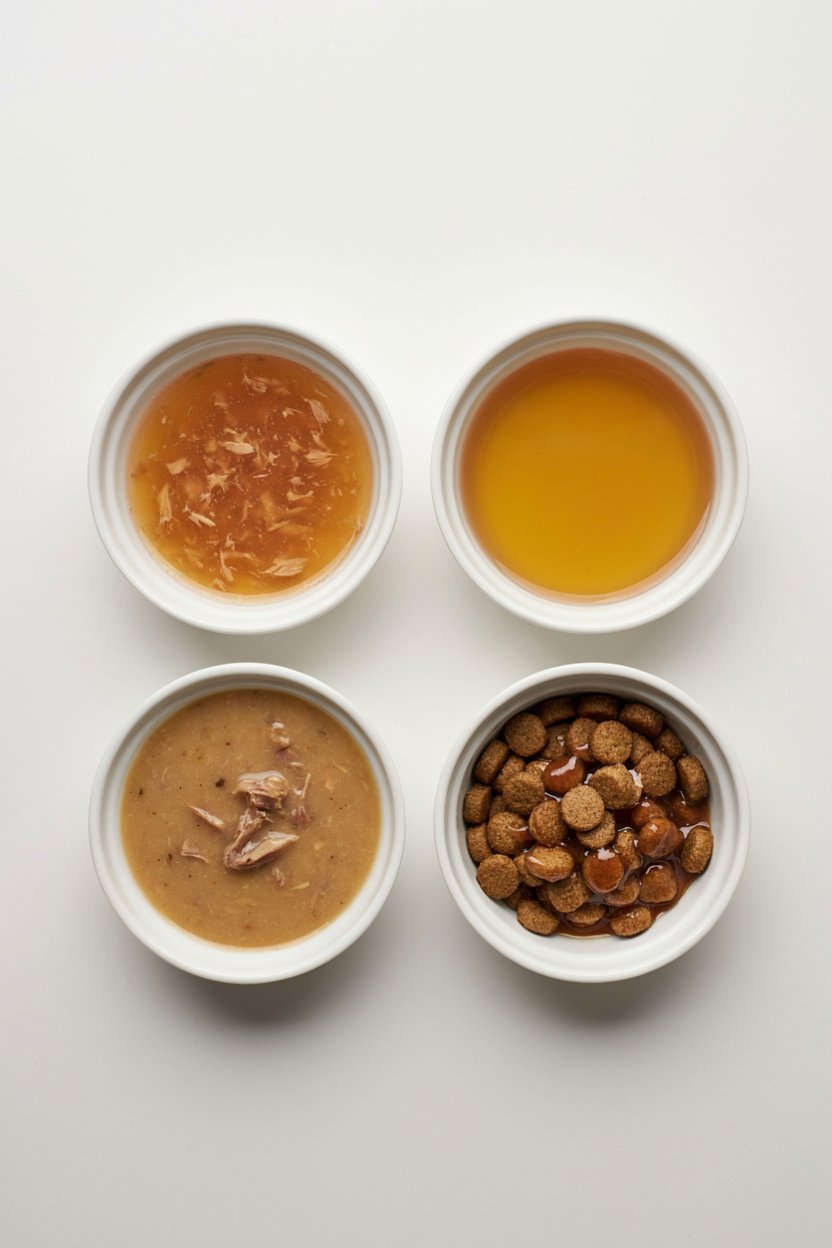
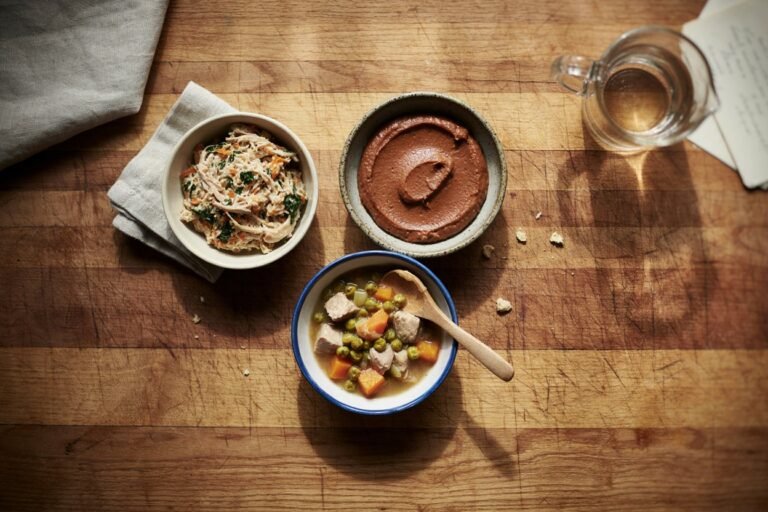
- 1 cup base liquid of your choice. Low sodium chicken or beef broth, onion and garlic free, is the most versatile and budget friendly option, especially if you make your own by simmering plain meat with nothing added. Reserved water from a can of plain tuna, packed in water rather than oil, offers an especially strong aroma useful for the most reluctant eaters, though it should stay occasional given tuna’s mercury considerations. Plain, unsalted cooking liquid saved from poaching chicken or fish for another recipe works just as well and helps avoid waste.
- 2 tablespoons cooked protein, finely shredded or flaked, optional. Chicken, turkey, or a flaked white fish adds body and a bit of extra substance to the topper, turning a thin liquid into something with real texture.
- 1 teaspoon thickener, optional. A small amount of rice flour or plain unflavored gelatin gives the gravy body without needing a long reduction time.
How to Make It
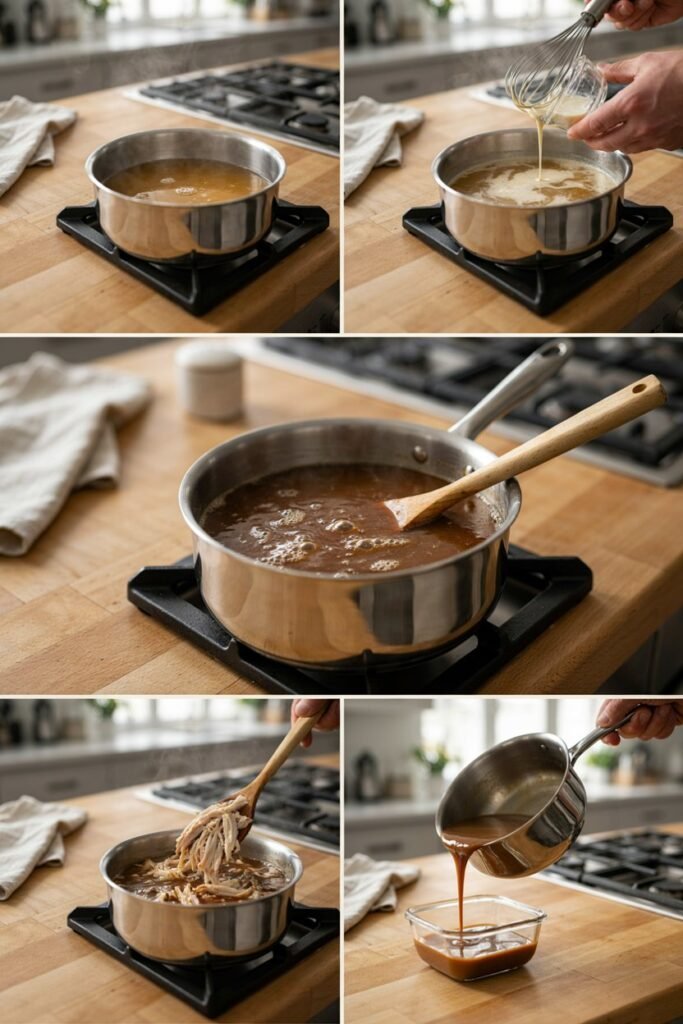
- Warm your chosen base liquid gently in a small saucepan over medium heat.
- If using a thickener, whisk rice flour into a small amount of cold water first to form a smooth slurry, then whisk it into the warming liquid, or sprinkle gelatin directly in, whisking continuously until dissolved.
- Simmer gently for a few minutes, stirring occasionally, until it thickens slightly.
- Stir in the shredded protein, if using.
- Remove from heat and let cool to a safe, lukewarm temperature.
- Pour a small amount over your cat’s regular food, or serve on its own in a shallow dish.
How to Make This Genuinely Budget-Friendly
The cheapest version of this recipe uses liquid you were already going to discard.
Save the poaching liquid the next time you cook plain chicken or fish for yourself or for another homemade cat recipe, rather than pouring it down the drain, and you’ve got the base for a topper at essentially no additional cost.
Buying a whole chicken and using both the meat and the cooking liquid across multiple purposes stretches a single grocery purchase considerably further than buying pre made broth or gravy packets.
Reserved tuna water, similarly, turns something you’d normally throw away into a genuinely useful ingredient for the pickiest eaters in your household.
How to Adjust This Recipe for Different Situations
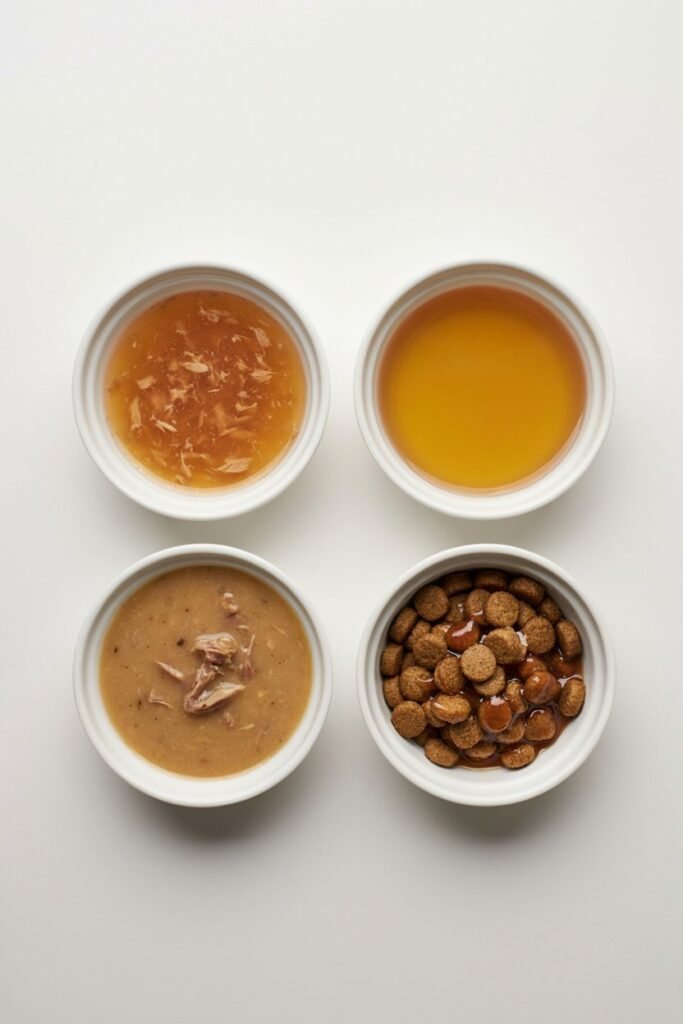
For an especially reluctant eater. Use tuna water as the base and warm it slightly more than usual right before serving, since both the ingredient and the heat maximize the aroma that tends to matter most for winning over a hesitant cat.
For a cat transitioning to a new food. A thinner, simpler chicken broth version poured lightly over the new food can help bridge the gap while your cat adjusts to an unfamiliar smell or texture.
For hiding medication. Use the thicker version with shredded protein added, since the added texture and flavor tend to mask a pill or powder more effectively than a thin liquid alone.
For everyday moisture support. A simple, unthickened broth version works well as a regular light addition, poured over kibble a few times a week to boost hydration without much extra effort.
How Much to Serve
A tablespoon or two poured over your cat’s regular food is typically enough to make a real difference in appeal without meaningfully changing their overall calorie intake.
If you’re using it more generously as a way to coax a reluctant eater back to their bowl, keep in mind that even a well made topper shouldn’t become the primary source of your cat’s nutrition long term.
Storage
Refrigerator. Store in a clean, airtight container for up to 2 to 3 days, with protein added versions on the shorter end of that range.
Freezer. Portion into small servings, such as an ice cube tray, before freezing, which makes thawing exactly what you need for a single meal much easier. Holds well for about a month.
Serving. Always warm gently to a safe, lukewarm temperature before serving, never straight from the refrigerator or freezer, and never served hot.
Common Mistakes to Avoid
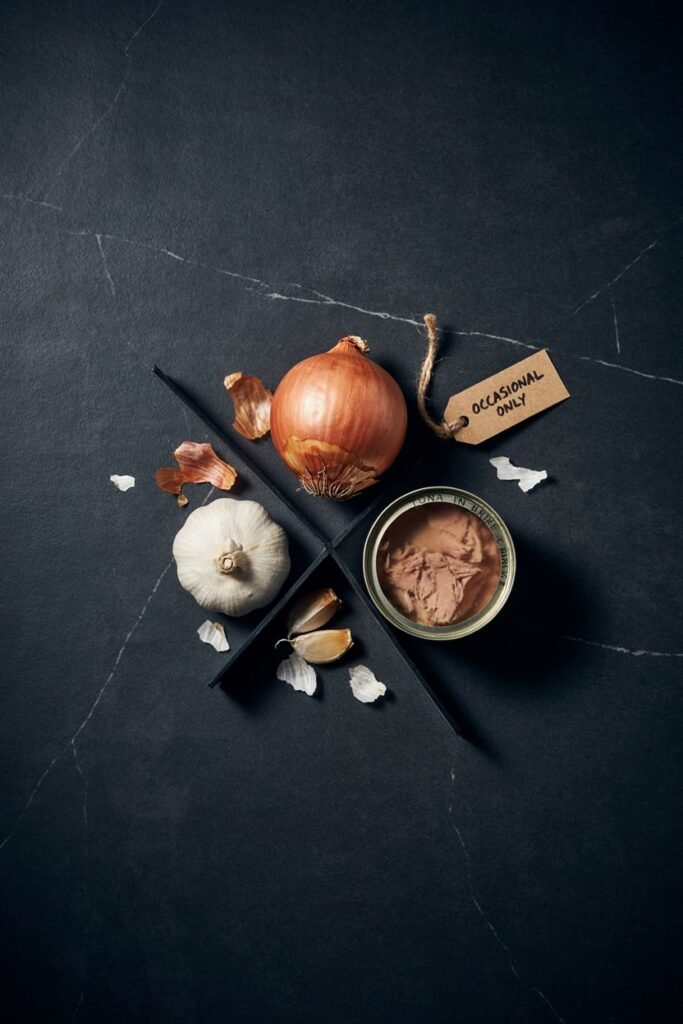
Using a base liquid without checking the label. This matters more than any other single step, since onion and garlic show up in a surprising number of otherwise plain sounding broths and cooking liquids.
Relying on tuna water too often. It’s genuinely effective for a reluctant eater, but its higher mercury content relative to other options means it should stay occasional rather than becoming the default base.
Treating the topper as a full meal replacement. Even a well made gravy shouldn’t replace a meaningful portion of your cat’s complete food on a regular basis.
Ignoring a picky eating pattern that isn’t improving. If a topper isn’t helping, or if your cat’s appetite continues to decline, that’s a signal to talk to your veterinarian rather than try an increasing number of new recipes.
Serving it too hot or too cold. Always aim for a safe, lukewarm temperature, since either extreme can make a cat less interested in trying it, not more.
Good Ingredients to Look For
Plain, low sodium broth or cooking liquid. The foundation of any good topper, and worth checking carefully every time, even on a brand or source you’ve used before.
Named animal proteins. Chicken, turkey, and fish all tell you exactly what’s contributing to the flavor, which is always preferable to a vague or unspecified source.
Simple thickeners. Rice flour or plain gelatin do the job without introducing unnecessary additives.
Nothing artificial. No added salt, seasoning, or flavor enhancers belong in a topper meant specifically to be simple, safe, and genuinely appealing.
Frequently Asked Questions
Can I use this gravy topper every day? Yes, as an occasional or regular addition in modest amounts, it’s generally fine, though it shouldn’t replace a meaningful portion of your cat’s complete and balanced diet.
What’s the best base for a genuinely picky eater? Tuna water tends to be the most effective at winning over a hesitant cat, thanks to its especially strong aroma, though it should stay occasional given its higher mercury content.
Is it safe to use liquid saved from cooking my own food? Yes, as long as nothing was added during cooking beyond the meat and water itself, no salt, onion, garlic, or other seasoning.
How do I know if my cat’s picky eating is a health concern rather than preference? Refusing food entirely for more than a day, noticeable weight loss, lethargy, or picky eating alongside other symptoms like vomiting are all reasons to contact your veterinarian rather than continue adjusting recipes at home.
Can kittens have gravy toppers? In small amounts, generally yes, though it should stay a minor addition to their complete kitten food rather than a significant part of their diet.
How long does homemade gravy last in the fridge? Generally 2 to 3 days when stored in a clean, airtight container, with protein added versions on the shorter end of that range.
Can I freeze gravy toppers? Yes, portioning into small servings before freezing, such as in an ice cube tray, makes thawing exactly what you need much easier, and it holds up well for about a month.
Why does my cat like the topper warm but not cold? Warmth releases more aroma, which is often the single biggest factor in a cat’s interest in food, so a gravy served cold straight from the fridge is likely to be far less appealing than the same recipe served lukewarm.
Can I use this topper to help transition my cat to a new food? Yes, a light layer of gravy over an unfamiliar food can help bridge the gap while your cat adjusts to a new smell or texture.
Is it expensive to make gravy toppers regularly? Not necessarily, especially if you use reserved cooking liquid rather than buying broth specifically, which turns something you’d otherwise discard into a genuinely useful ingredient at no extra cost.
Healthy Homemade Cat Gravy Topper
Ingredients
Equipment
Method
- Pour the chicken broth into a small saucepan and warm it gently over low heat.
- Sprinkle the gelatin powder over the warm broth and stir continuously until completely dissolved.
- Add the shredded chicken and stir until evenly distributed.
- Remove the saucepan from the heat and allow the gravy to cool to a safe serving temperature.
- Spoon a small amount over your cat’s regular complete and balanced food.
- Choose a chicken broth that contains no onion, garlic, or added seasonings. Avoid broths that are heavily salted or contain ingredients that are unsafe for cats.
- This gravy is designed as a topper rather than a complete meal. Introduce new foods gradually, particularly if your cat has a sensitive stomach or a veterinarian recommended diet.
- For cats with ongoing appetite problems, underlying health conditions, or sudden changes in eating habits, speak with your veterinarian rather than relying on food toppers alone.
Final Thoughts
A good gravy topper solves a lot of picky eating problems at once, adding aroma, moisture, and flavor variety without requiring an entirely new food or a complicated recipe.
Keep it simple, keep the base liquid carefully checked, and lean on reserved cooking liquid when you can to keep it genuinely budget friendly.
And if a picky eating pattern doesn’t improve with a topper, or seems to be getting worse rather than better, that’s the moment to bring your veterinarian into the conversation rather than keep experimenting on your own.
3 Comments