
Healthy Homemade Dog Meals You Can Make at Home
“Healthy” gets thrown around a lot in dog food marketing without much explanation of what it actually means for a specific dog.
A meal that’s genuinely healthy for a lean, active young dog might be too calorie dense for a senior dog managing their weight, and a recipe built around a rich protein like beef might not suit a dog with a sensitive stomach the way a milder fish based meal would.
Rather than chasing one perfect recipe, this guide walks through a single flexible framework you can build a genuinely healthy homemade meal from, along with how to adjust it depending on what your own dog actually needs.
If you want to build out your homemade cooking rotation beyond this one framework, a few related guides are worth having open alongside this one.
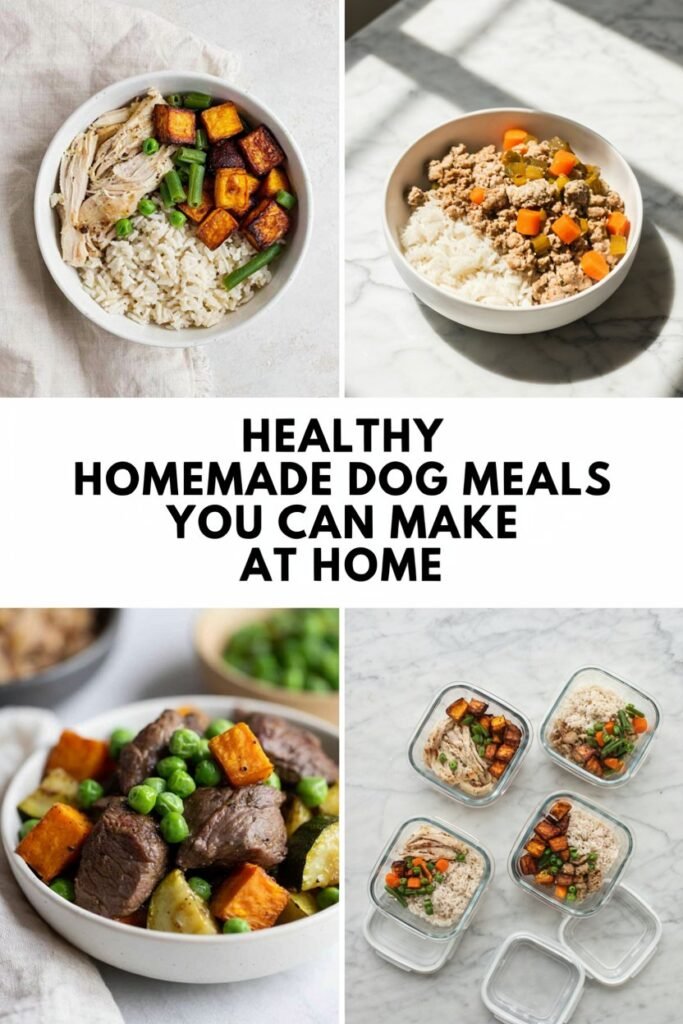
Homemade dog food with vet approved ingredients covers what a fully balanced diet needs beyond just picking healthy sounding ingredients, ground turkey dog food recipe for beginners and 3 ingredient cooked dog food offer simple starting points, 7 high protein homemade dog food recipes and high protein chicken meals for dogs give you more options for active dogs specifically, 3 simple farmer’s dog food recipes and fresh dog food recipes that dogs love round out the broader rotation, 10 homemade dog meals with sweet potato pairs well with this framework, instant pot turkey dog food recipe and simple 5 ingredient crockpot meals for dogs on a budget are worth a look if you want to compare cooking methods, and human foods dogs can safely eat is a good reference for what’s safe to share from your own kitchen more broadly.
Disclaimer
This post may contain affiliate links. As an Amazon Associate, I earn from qualifying purchases at no additional cost to you. I only recommend dog products and kitchen tools that I genuinely believe make preparing homemade meals easier and more enjoyable. The information in this article is for general informational purposes only. Always use dog safe ingredients and consult your veterinarian before making major changes to your dog’s diet.
Amazon Shopping List You Need
- Digital Kitchen Scale – I always use one for accurate portions.
- Food Processor – I use this to prep vegetables and ingredients quickly.
- Stainless Steel Mixing Bowls – I always reach for these when cooking for my dog.
- Glass Meal Prep Containers – I use these to portion and store fresh meals.
- Silicone Freezer Trays – I love these for freezing individual portions.
- Stainless Steel Dog Bowls – I always serve homemade meals in these.
- Airtight Food Storage Containers – I use these to keep ingredients fresh.
What Actually Makes a Dog Meal Healthy?
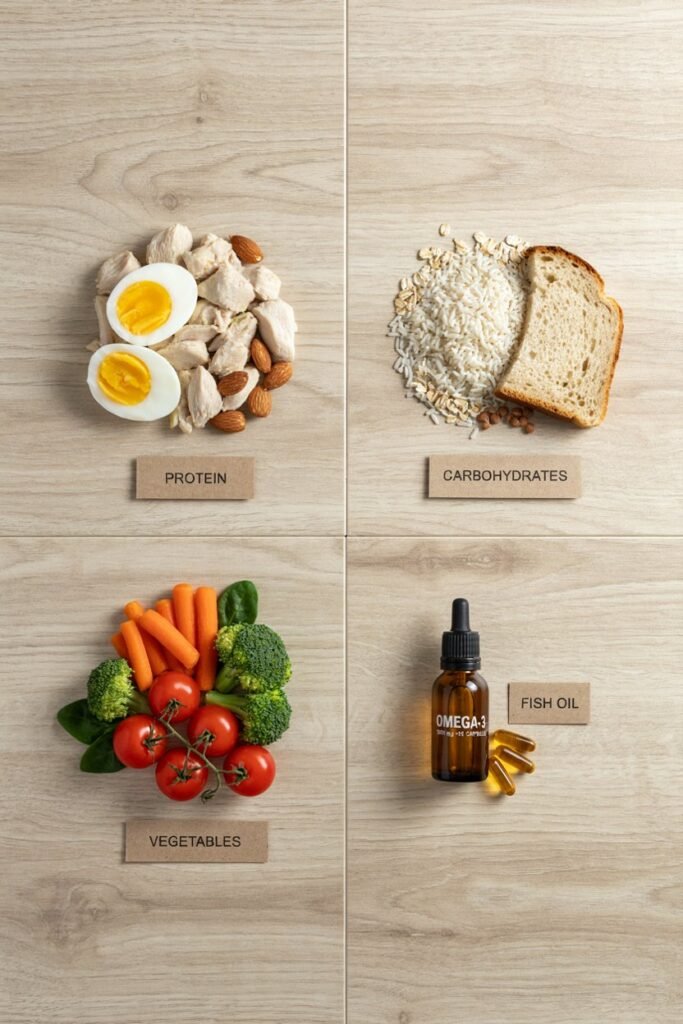
A genuinely healthy homemade meal balances four things: an appropriate protein source, a digestible carbohydrate, fiber rich vegetables, and a source of healthy fat, all in proportions suited to that specific dog’s age, activity level, and any health considerations they have.
It’s not about finding one perfect ingredient or avoiding a specific food group entirely.
A meal built for an active young dog will look different from one built for a senior dog with joint concerns or a dog managing their weight, and understanding that distinction is really the foundation of everything else in this guide.
Before You Start
As with any homemade recipe, it’s worth being upfront that this meal isn’t automatically a complete, nutritionally balanced diet suitable for daily, long term feeding just because it’s built around whole, healthy ingredients.
Dogs need appropriate amounts of protein, fat, carbohydrates, calcium, phosphorus, essential fatty acids, vitamins, minerals, and a range of trace nutrients, all in specific proportions. This recipe works well as a regular addition, an occasional full meal, or a foundation you build on with proper supplementation.
If you’re planning to replace your dog’s complete commercial diet entirely, working with a veterinarian or a board certified veterinary nutritionist is the most reliable way to make sure the final recipe is genuinely balanced for daily use, and it’s especially important if your dog has a diagnosed health condition that affects what “healthy” looks like for them specifically.
Healthy Homemade Dog Meal
Yield: About 6 to 8 servings, depending on your dog’s size Prep Time: 10 minutes Cook Time: 25 minutes Total Time: About 35 minutes Storage: Refrigerate up to 4 days, freeze up to 3 months
Ingredients
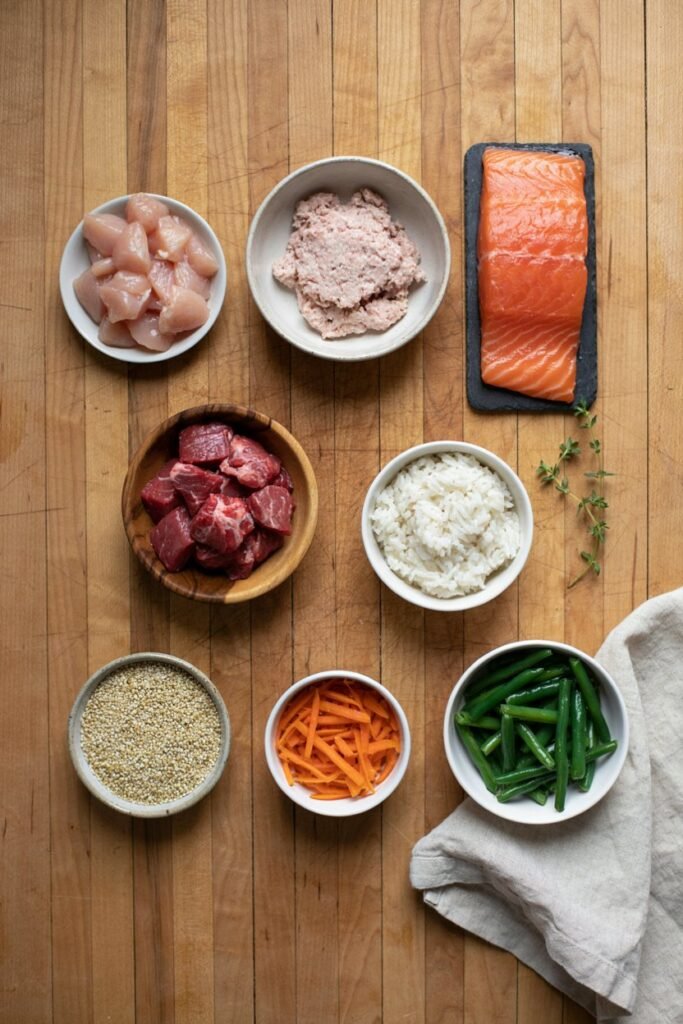
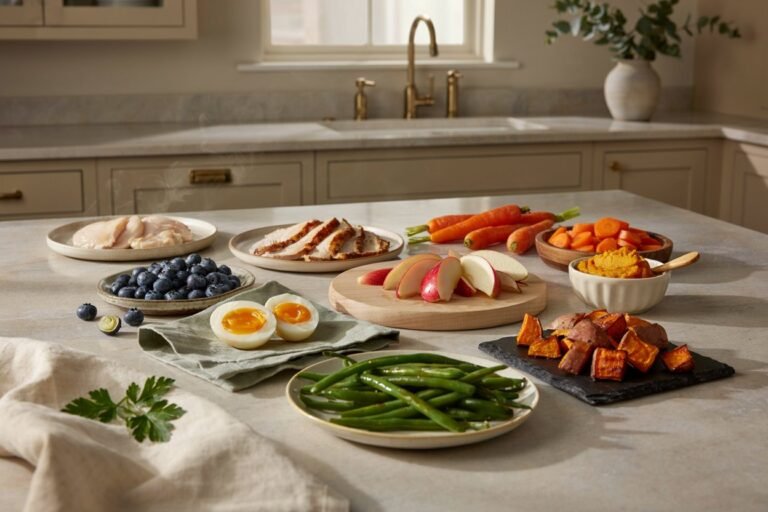
- 2 pounds protein of your choice, cooked and diced or shredded. Chicken breast and ground turkey are the leanest, gentlest choices, good for an everyday meal or a dog managing weight or a sensitive stomach. Lean beef offers more iron and richness, useful for an active dog with higher energy needs, though it should be served in slightly smaller portions given its higher fat content. Salmon or white fish adds omega fatty acids and protein variety, particularly useful for coat health or simply rotating away from poultry, though fish based versions of this meal have a shorter shelf life than poultry or beef.
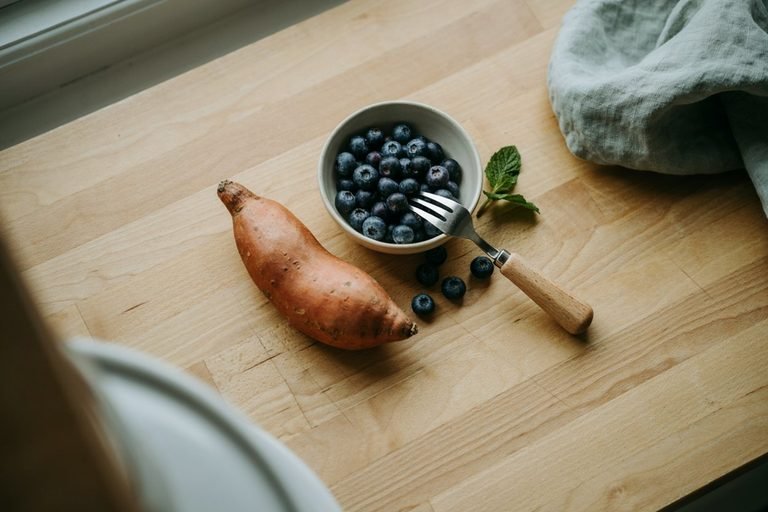
- 1 to 1.5 cups carbohydrate of your choice, cooked. Brown rice or quinoa provide steady energy for an everyday or active dog’s meal, with quinoa offering the added benefit of being a complete protein on its own. White rice or well cooked sweet potato are gentler choices for a sensitive stomach or a dog who needs a softer texture.
- 1 to 1.5 cups vegetables of your choice, chopped and steamed. Carrots and green beans are reliable, low calorie staples that work in nearly any version of this meal. A larger portion of green beans specifically adds volume without many extra calories, useful if weight management is the goal. Broccoli and zucchini add variety in smaller amounts. A small amount of finely chopped spinach can add iron, though it should stay a minor addition.
- Optional additions in small amounts. A tablespoon of plain pumpkin puree supports digestion, a small handful of lightly mashed blueberries adds antioxidants, and a teaspoon of fish oil, stirred in once the meal has cooled, rounds out the fatty acid profile of any version that doesn’t already include a fatty fish.
How to Make It

- Cook your chosen protein thoroughly, with nothing added, no oil, salt, or seasoning of any kind. Dice or shred it into small, dog appropriate pieces once cooked and slightly cooled.
- Cook your chosen carbohydrate separately according to its own instructions, using plain water with nothing added.
- Steam or boil your chosen vegetables until tender, then chop into manageable pieces.
- Once everything has cooled to room temperature, combine the protein, carbohydrate, and vegetables in a large bowl.
- Stir in any optional additions, like pumpkin, blueberries, or fish oil, once the mixture has fully cooled.
- Portion into individual servings before refrigerating or freezing.
How to Adjust This Meal for a Specific Goal
Everyday balanced nutrition. Chicken breast, brown rice, and carrots make a reliable, all purpose version suited to most healthy adult dogs without a specific condition to manage.
Weight management. Lean turkey, a smaller portion of sweet potato, and a larger than usual portion of green beans add volume and fullness without excessive calories.
Active dogs needing more protein density. Lean beef and quinoa together offer a richer, more calorie dense version suited to a dog with higher energy needs, served in a slightly smaller portion given the richness.
Coat and skin health. Salmon in place of poultry, paired with sweet potato and broccoli, leans on the fatty fish’s omega content specifically to support skin and coat.
Digestive sensitivity. Chicken breast, white rice, and a spoonful of plain pumpkin puree keep this version gentle and easy to digest during a stomach sensitive stretch.
Senior dogs. A smaller portion of a richer protein like beef, paired with soft mashed sweet potato and finely chopped spinach, suits a typically less active senior dog while still being easy to chew.
How Much Should You Serve?
There’s no single serving size that works for every dog, and it’s worth resisting the temptation to look for one universal number. Feeding amounts depend on your dog’s weight, age, activity level, body condition, and the rest of their diet.
As a general starting point, most adult dogs eat somewhere between 2 and 3 percent of their body weight in food per day, split across two meals, though this shifts for puppies, seniors, or dogs managing a specific health goal like weight loss.
Working with your veterinarian to calculate a more precise calorie target for your specific dog and their specific goal is the most reliable way to get portions right.
Storage
Refrigerator. Store in a clean, airtight container and use within 3 to 4 days, with fish based versions on the shorter end given their quicker spoilage.
Freezer. Portion into individual servings before freezing, which makes future meals far more convenient. Most versions hold their quality for up to 3 months frozen, though fish based versions are better suited to about 2 months.
Thawing. Thaw frozen portions in the refrigerator overnight rather than leaving them out at room temperature.
Reheating. Warm gently if desired, and always check that the food isn’t too hot before serving it.
How to Transition Your Dog to This Meal
Don’t replace your dog’s regular food with this recipe all at once. A gradual transition over about a week gives their digestive system time to adjust.
Start with a small amount mixed into their regular food, gradually increasing the proportion over several days while watching for loose stool, vomiting, excessive gas, or reduced appetite.
If symptoms are significant or persistent, slow the process down or contact your veterinarian rather than pushing through, particularly if you’re using this meal specifically to address an existing digestive issue.
Good Ingredients to Look For
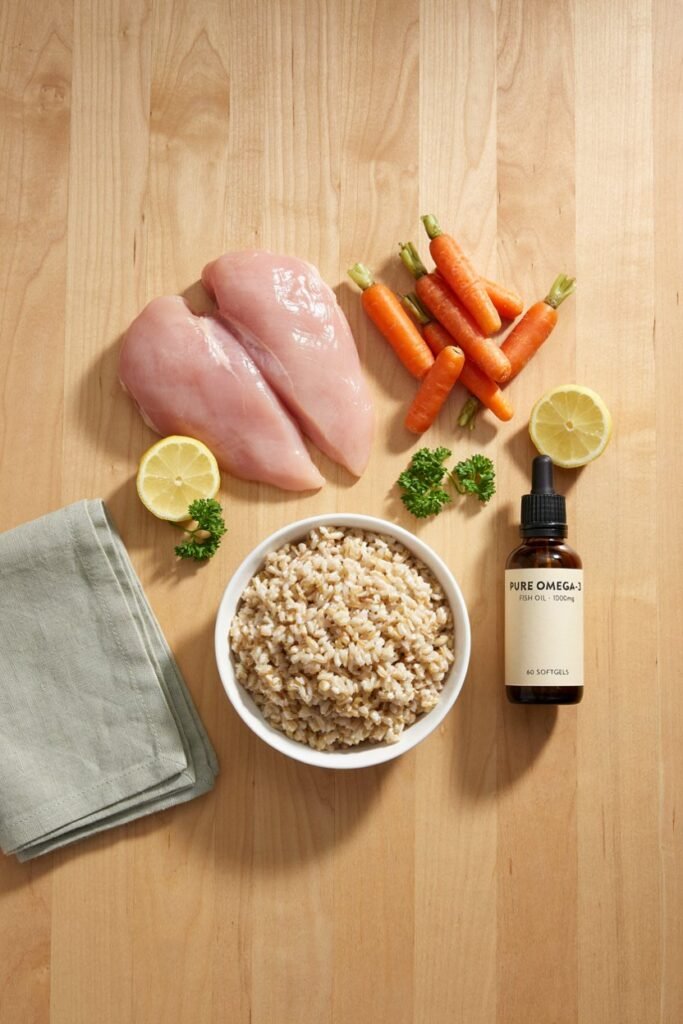
Named, specific animal proteins. Chicken, turkey, beef, salmon, and white fish all tell you exactly what’s going into the bowl, which matters more than any single “superfood” ingredient.
Fiber rich vegetables. Carrots, green beans, zucchini, and broccoli add volume and micronutrients without excessive calories.
Digestible carbohydrates matched to the goal. Brown rice and quinoa work well for an everyday or active dog’s meal, while white rice tends to suit a sensitive stomach better.
Healthy fats added thoughtfully. Fish oil, or a fatty fish like salmon itself, rounds out a meal’s fatty acid profile in a way leaner proteins alone don’t achieve.
Plain, unseasoned preparation throughout. No salt, garlic, onion, or seasoning blends, ever, regardless of how small the amount or how harmless it seems.
Ingredients You Should Never Add
- Onion, garlic, and chives damage red blood cells and can cause anemia, even in small amounts.
- Excess salt and seasoning blends offer no benefit and can be genuinely harmful in larger quantities.
- Xylitol containing products cause a dangerous, rapid drop in blood sugar.
- Grapes and raisins can cause serious kidney problems, with no reliably safe amount.
- Chocolate is toxic even in modest amounts.
- Cooked bones can splinter and cause internal injury.
Common Mistakes to Avoid
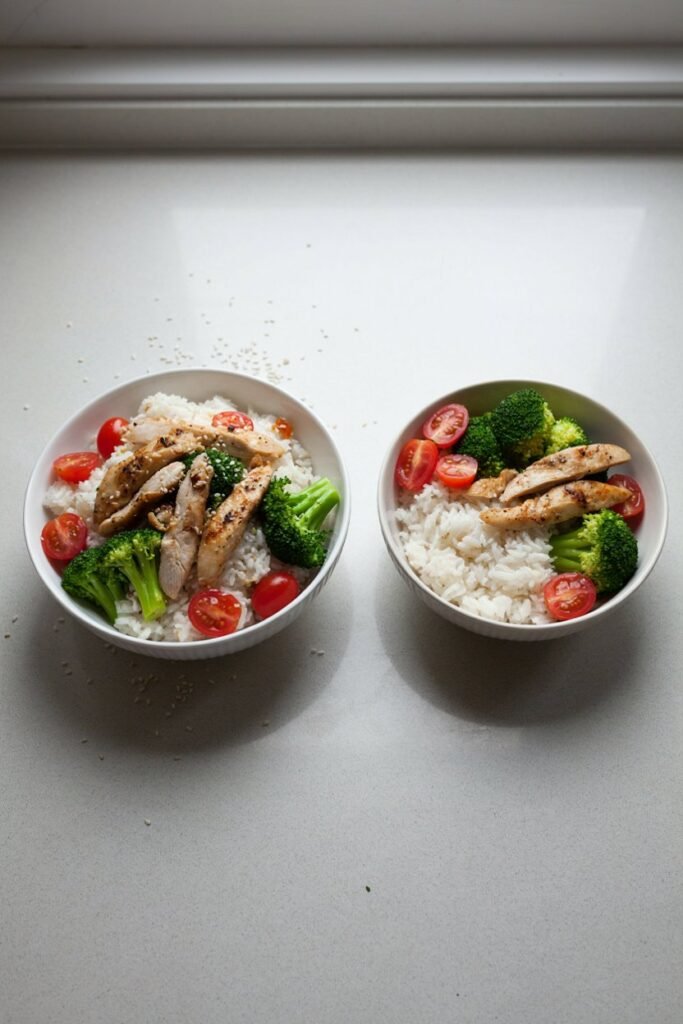
Treating every version of this meal as interchangeable. A version built for an active dog isn’t automatically appropriate for a senior dog managing their weight, and matching the ingredients to the actual goal matters more than the meal’s general reputation for being healthy.
Overloading the meal with too many “superfood” additions at once. It doesn’t need blueberries, spinach, pumpkin, and fish oil all in the same bowl to be healthy. A few well chosen ingredients in the right proportion do more than a long list of trendy additions.
Ignoring portion size because a meal is homemade. Homemade food is still calorie dense, and healthy ingredients don’t cancel out the effects of overfeeding.
Skipping the transition period. Switching too quickly from a dog’s regular food to this recipe is one of the most common causes of digestive upset when starting homemade feeding.
Assuming a health focused meal replaces veterinary care. This recipe can support a specific goal, but it isn’t a substitute for a proper diagnosis or treatment plan if your dog has an ongoing health concern.
Frequently Asked Questions
Can I feed this meal every day? As an occasional meal or topper, yes, without much concern. As a sole, long term diet, it should be reviewed and properly formulated with a veterinarian’s input first.
How do I know which version is right for my dog? Start with your dog’s most relevant current need, whether that’s general everyday nutrition, weight management, activity support, coat health, or digestive sensitivity, and adjust the protein, carbohydrate, and vegetable choices accordingly.
Can I combine elements from different versions? Yes, as long as you’re staying within the safe ingredients covered in this guide. Mixing a protein choice from one goal with vegetables suited to another generally works fine.
Do I need a calcium supplement for this meal? If you’re using it as an occasional meal or topper, generally not. If you’re planning to feed it regularly as your dog’s primary diet, a vet recommended calcium supplement is usually necessary, since muscle meat alone doesn’t provide enough on its own.
Can puppies eat this meal? Puppies have different nutritional requirements because they’re actively growing, so this recipe shouldn’t become a puppy’s regular diet without a veterinarian reviewing it first.
How long does this meal last in the refrigerator? Generally 3 to 4 days, with fish based versions on the shorter end given their quicker spoilage compared to poultry or beef.
Can I freeze this meal? Yes, most versions freeze well for up to 3 months, though fish based versions are better suited to about 2 months given their shorter overall shelf life.
Is a homemade “healthy” meal always better than commercial dog food? Not automatically. The value of homemade cooking is control and transparency over ingredients, not an inherent nutritional advantage, and a properly formulated commercial food can be just as healthy when it fits your dog’s needs well.
What if my dog has more than one health goal at once, like being both a senior and needing weight management? Combining adjustments, like a smaller portion of a richer protein with a higher vegetable ratio, is a reasonable approach, though checking in with your veterinarian for a more tailored plan is worth it when multiple goals overlap.
Can this meal help with a diagnosed medical condition? It can support general wellbeing, but a diagnosed condition like kidney disease, diabetes, or a food allergy typically requires a more specifically formulated diet developed with your veterinarian, not a general homemade recipe like this one.
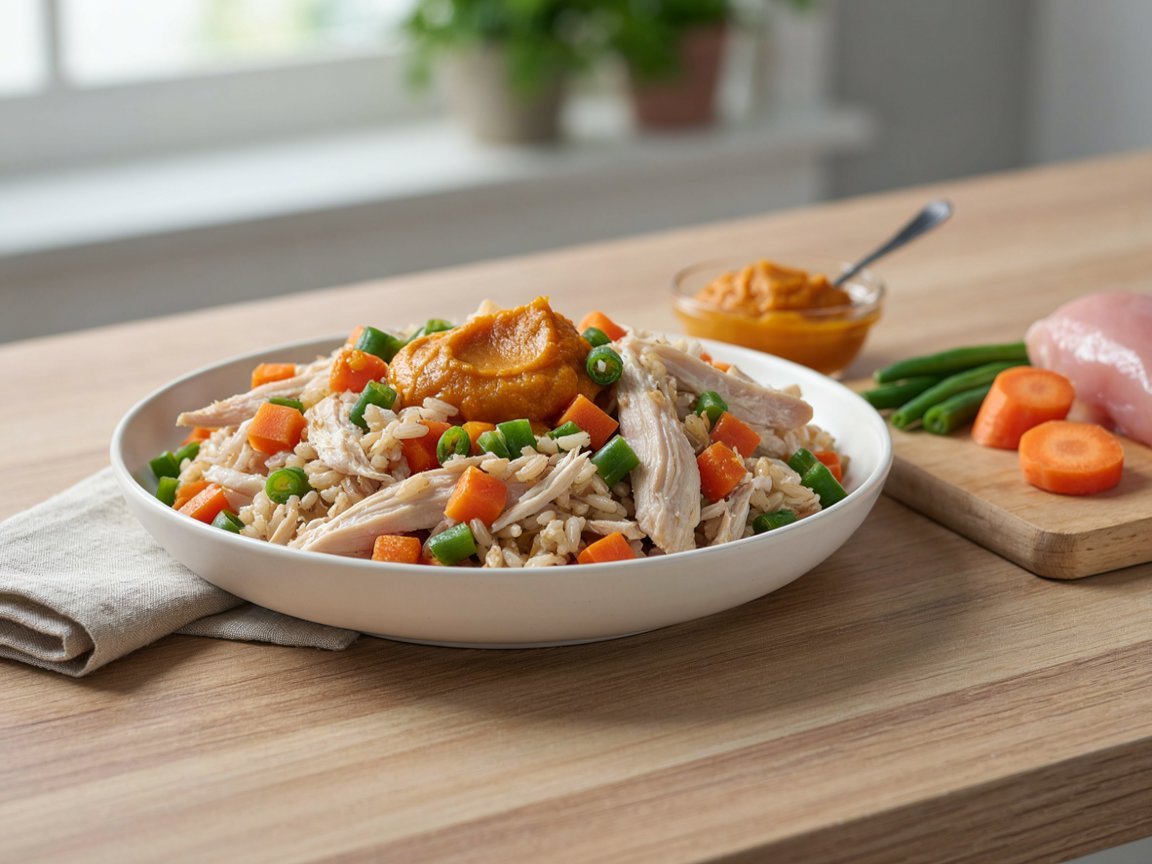
Healthy Homemade Chicken Dog Meal
Ingredients
Equipment
Method
- Cook the chicken thoroughly in a large pot with the water until fully cooked.
- Remove the chicken from the pot and allow it to cool slightly. Shred or finely chop it into small pieces.
- Cook the brown rice separately according to the package instructions until tender.
- Cook the carrots and green beans until soft and easy for your dog to eat.
- Add the cooked chicken, rice, vegetables, and pumpkin puree to a large mixing bowl.
- Stir everything together until evenly combined.
- Allow the meal to cool completely before serving.
- Recipe Notes
- This recipe is intended as a homemade meal or topper and should not automatically be considered nutritionally complete for long term feeding. For regular homemade feeding, have the recipe properly formulated to meet your dog’s individual nutritional requirements. Avoid onion, garlic, excessive salt, seasoning blends, and cooked bones.
Final Thoughts
“Healthy” isn’t a single recipe, it’s a match between what a specific dog actually needs and what ends up in their bowl.
This one flexible framework gives you a genuine starting point for whatever your dog needs most right now, whether that’s everyday balanced nutrition, support for an active lifestyle, help managing weight, or simply something gentler on a sensitive stomach.
Start with the version that matches where your dog is right now, and don’t hesitate to adjust the protein, carbohydrate, or vegetables as their needs change over time, since what counts as healthy for a young, active dog looks genuinely different a few years down the line.


8 Comments