
Cucumber Frozen Dog Treats
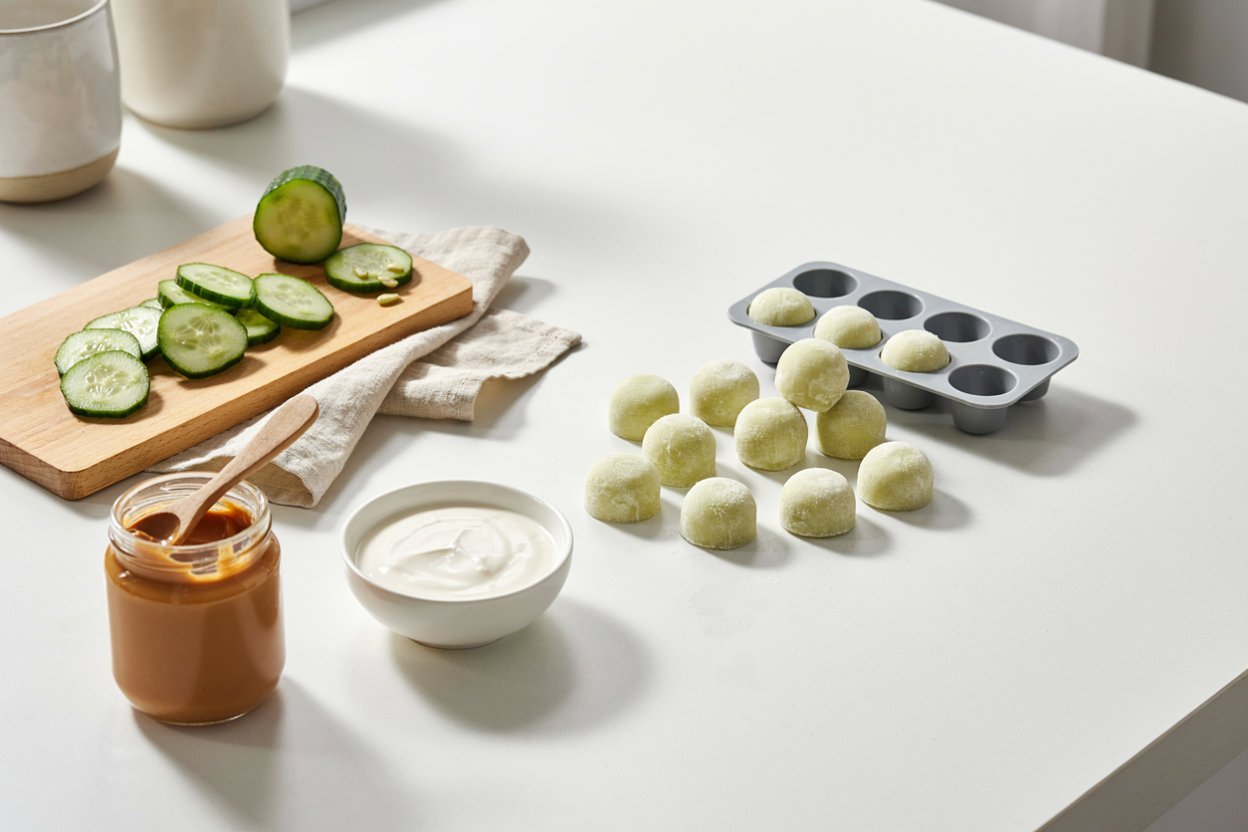
Cucumber doesn’t get nearly enough credit as a dog treat ingredient, mostly because it’s so plain on its own that it’s easy to overlook.
Blended with yogurt and a bit of peanut butter and frozen into small bites, though, it turns into something genuinely refreshing, cool, low calorie, and hydrating in a way that a lot of richer treats simply aren’t.
This guide walks through one simple cucumber based frozen treat, along with why the combination works so well, how to adjust it, and the details that separate a treat you make once from one that becomes a real summer staple.
If you want to build out your treat rotation beyond this one recipe, a few related guides are worth having open alongside this one.
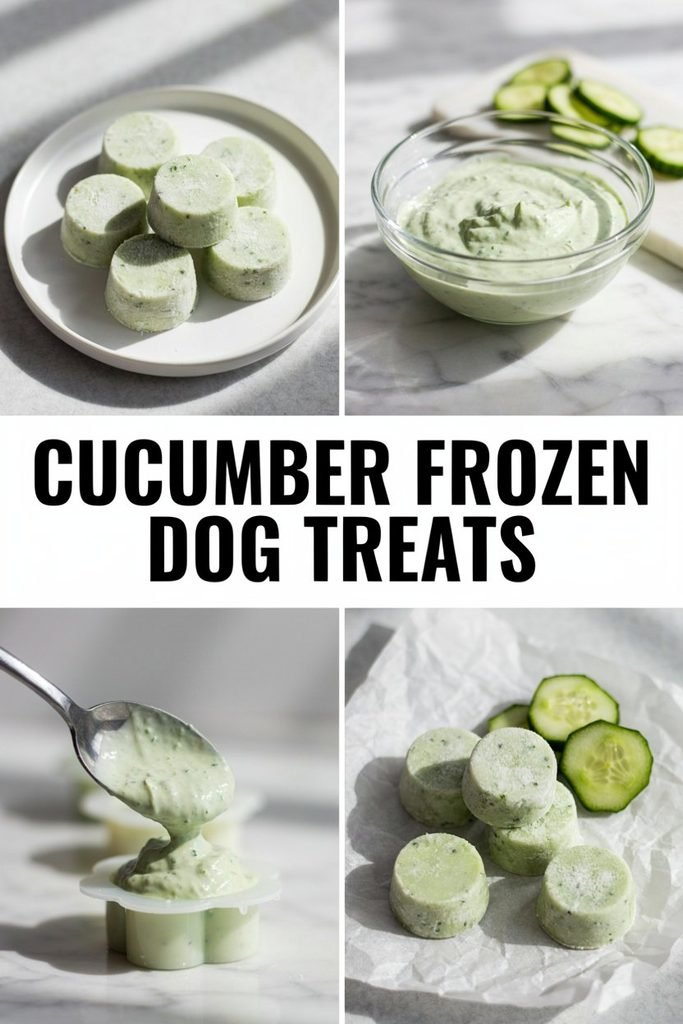
Cooling dog treats for summer days and vet friendly frozen dog treat recipes cover more frozen options in a similar spirit, simple carrot based dog treat recipes for beginners offers another low calorie vegetable forward option, DIY frozen dog treats using pantry ingredients is worth a look if you’d rather skip a grocery trip, 3 ingredient peanut butter dog gummies and peanut butter banana gummies for dogs give you more peanut butter based options, and human foods dogs can safely eat and homemade dog food with vet approved ingredients round out the bigger picture of feeding safely at home.
Why Cucumber Works So Well in a Frozen Treat
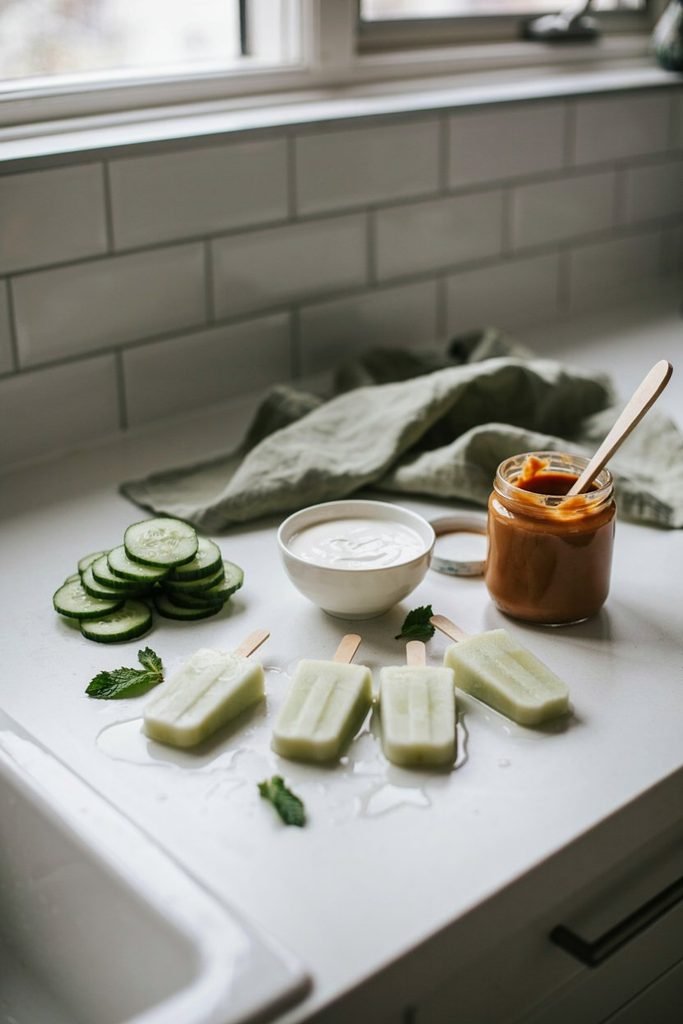
Cucumber is roughly 95 percent water by weight, which makes it one of the most hydrating vegetables you can offer a dog, and it carries almost no natural sugar compared to a lot of fruit based treat options.
That combination, high moisture and low calorie density, makes it an especially good choice for a warm weather treat, or for a dog who needs to watch their weight but still deserves something cold and satisfying on a hot afternoon.
On its own, cucumber can taste a little flat once frozen, which is exactly why pairing it with yogurt and peanut butter matters here.
Yogurt adds protein and a creamy texture that carries the cucumber’s mild flavor, while peanut butter adds richness and turns the whole thing into something dogs actually get excited about rather than just tolerate.
Is Cucumber Actually Safe for Dogs?
Yes, cucumber is generally considered safe for dogs in appropriate amounts. It’s low in calories, gentle on digestion, and doesn’t carry any of the common concerns that come up with richer treat ingredients.
The one thing worth paying attention to is portion size relative to your dog’s size, not because cucumber is risky, but because any new food, however mild, is worth introducing gradually the first time.
Peeling the cucumber first is optional but often preferred, since the skin can be slightly tougher and is sometimes treated with wax or pesticide residue depending on where it was grown.
Before You Start
A few ground rules apply here as with any homemade treat. Use plain, unsweetened yogurt only, since flavored or sweetened versions often contain added sugar and sometimes artificial sweeteners that have no place in a dog’s treat.
Check your peanut butter label every time you buy a new jar, not just the first time, since xylitol, an artificial sweetener extremely dangerous to dogs even in small amounts, has shown up in some peanut butter products without much warning.
And introduce this treat gradually, watching for any signs of digestive upset, since even gentle ingredients can occasionally not agree with an individual dog.
Understanding the Ingredients
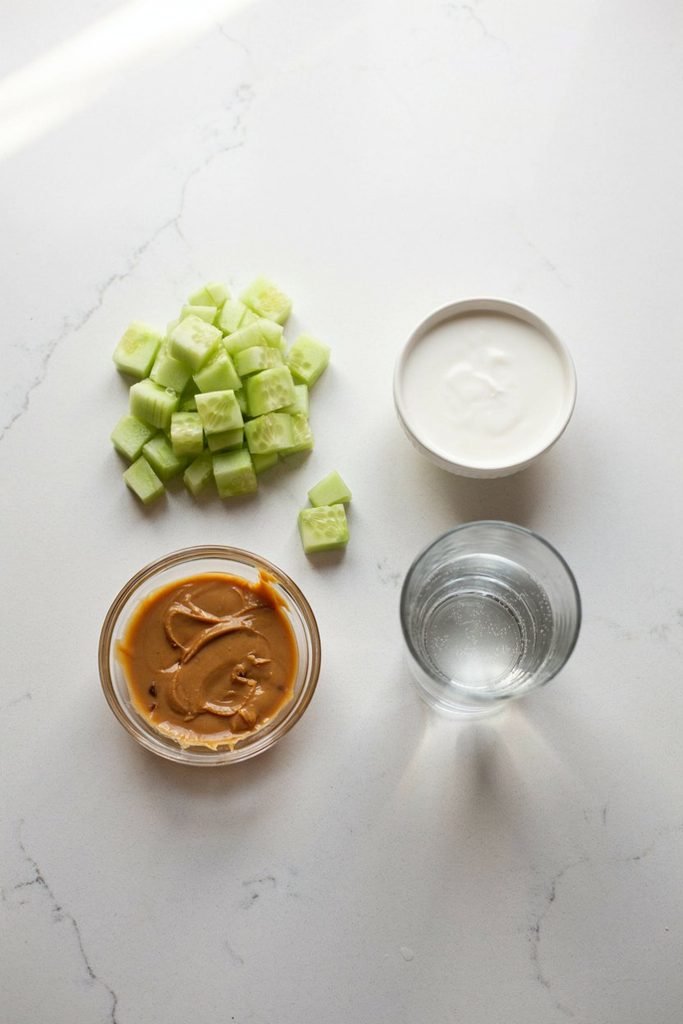
Cucumber. The star of this recipe, cucumber contributes almost all of the hydration value here, along with a mild, refreshing flavor once blended smooth. Peeling it first is a matter of preference, though removing the skin does soften the final texture slightly.
Plain, unsweetened yogurt. Yogurt adds protein and a creamy, cooling texture, and it’s the ingredient most responsible for giving this treat a smoother, more appealing consistency than cucumber alone would produce. Some dogs tolerate dairy better than others, so it’s worth watching how your dog responds the first time.
Natural peanut butter. Peanut butter adds richness and a flavor most dogs respond to enthusiastically, along with a bit of protein and healthy fat. This is the ingredient that requires the most label scrutiny, given the xylitol risk, so stick to plain peanut butter with peanuts as the primary listed ingredient.
Water, as needed. Used only to adjust the final consistency if the mixture seems too thick to pour easily into a mold.
Ingredients I Avoid
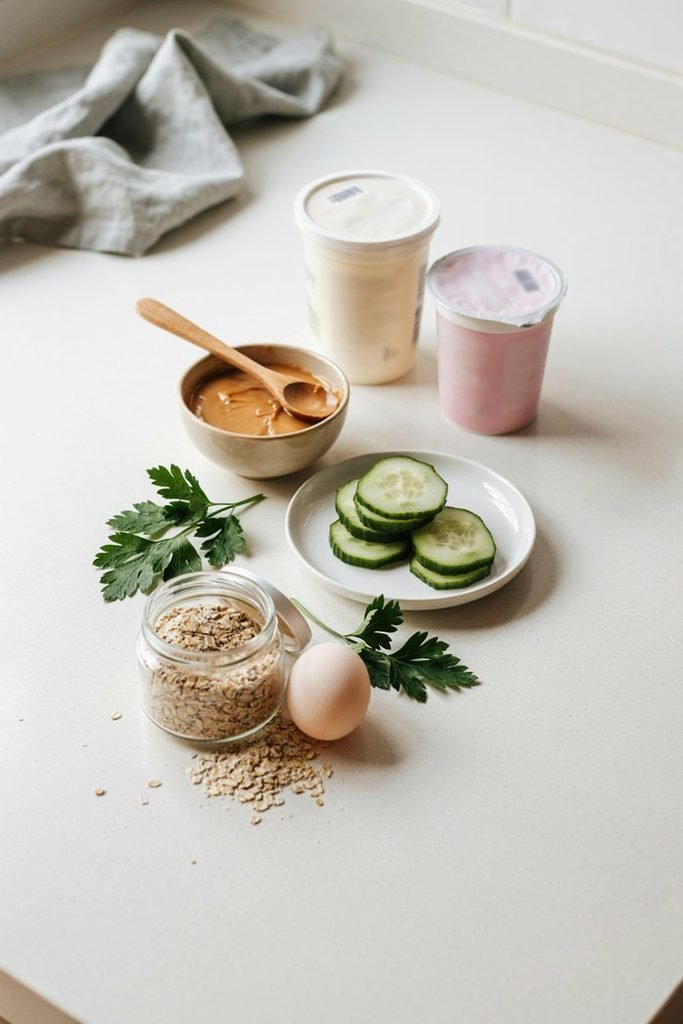
Flavored or sweetened yogurt, peanut butter containing xylitol or added sugar, and any seasoning or sweetener beyond the three core ingredients have no place in this recipe.
It’s worth checking both the yogurt and peanut butter labels every time, even on brands you’ve used before, since manufacturers occasionally reformulate products without much warning on the front of the package.
Cucumber Frozen Dog Treats
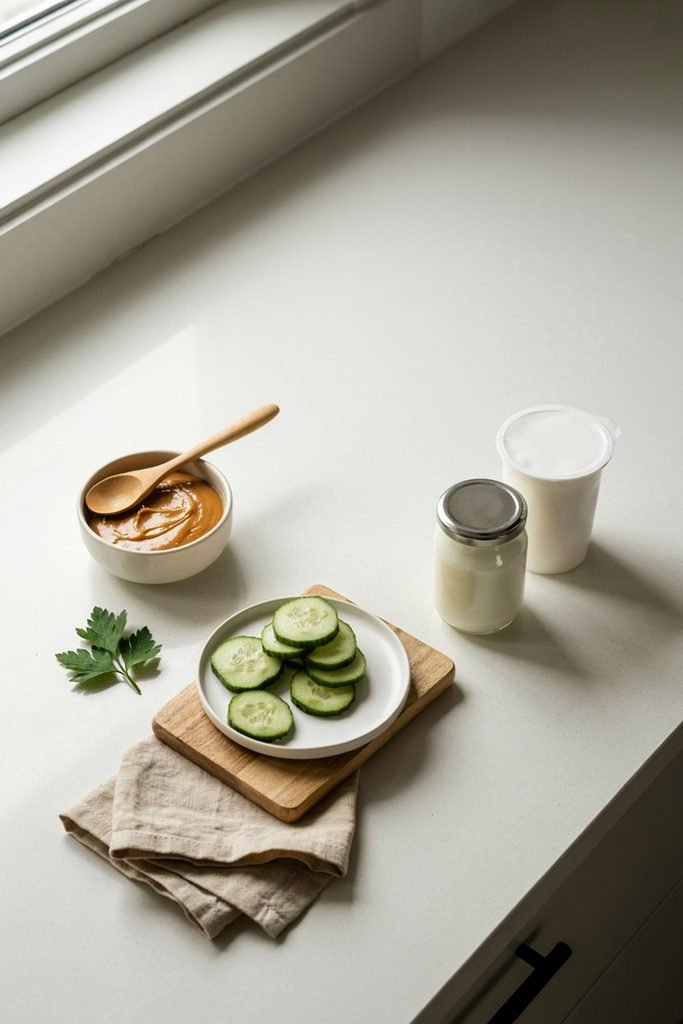
Yield: About 18 to 20 small treats, depending on mold size Prep Time: 10 minutes Freeze Time: At least 4 hours Storage: Freeze up to 2 months
Ingredients
- 1 large cucumber, peeled and chopped. Cucumber provides the bulk of the hydration and volume in this recipe, with peeling being optional depending on your preference for texture.
- 1 cup plain, unsweetened yogurt. Yogurt adds protein and a smooth, creamy consistency that carries the cucumber’s mild flavor.
- 2 tablespoons natural peanut butter, xylitol free. Peanut butter adds richness and makes this treat genuinely exciting rather than just refreshing.
- 1 to 2 tablespoons water, as needed. Helps reach a pourable consistency if the blended mixture turns out thicker than expected.
How to Make It
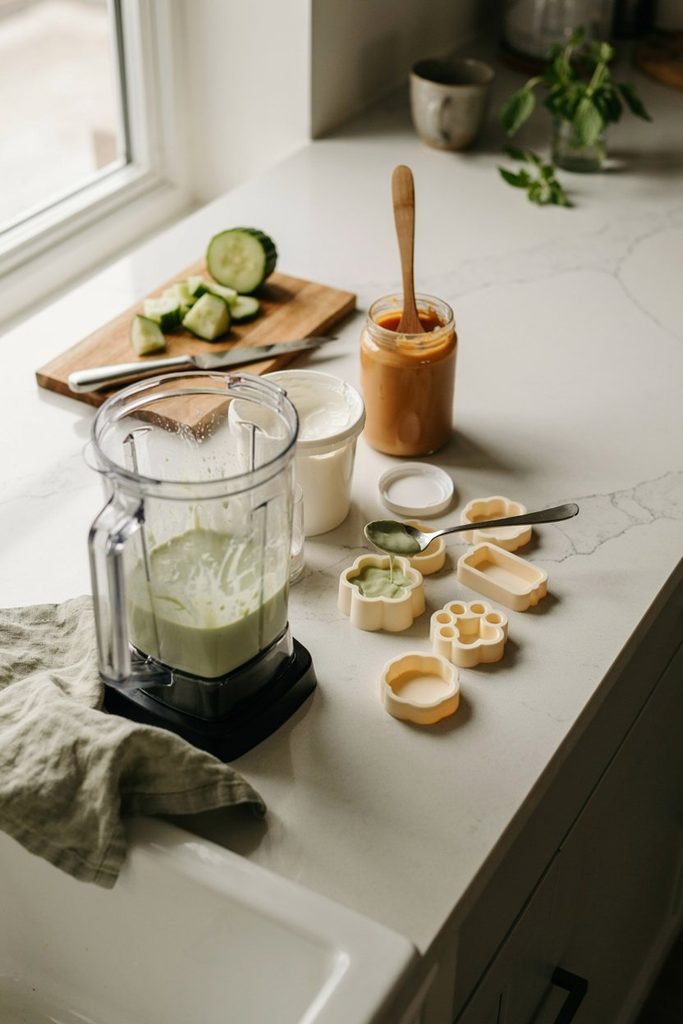
- Add the chopped cucumber to a blender or food processor.
- Add the yogurt and peanut butter.
- Blend until fully smooth, stopping to scrape down the sides if needed to make sure everything incorporates evenly.
- Check the consistency. It should be pourable but not watery, similar to a thin smoothie. If it’s too thick, add water a tablespoon at a time, blending briefly after each addition, until it loosens up.
- Pour the mixture into small silicone molds or a standard ice cube tray, filling each cavity about three quarters full to leave room for expansion.
- Freeze for at least 4 hours, until completely solid.
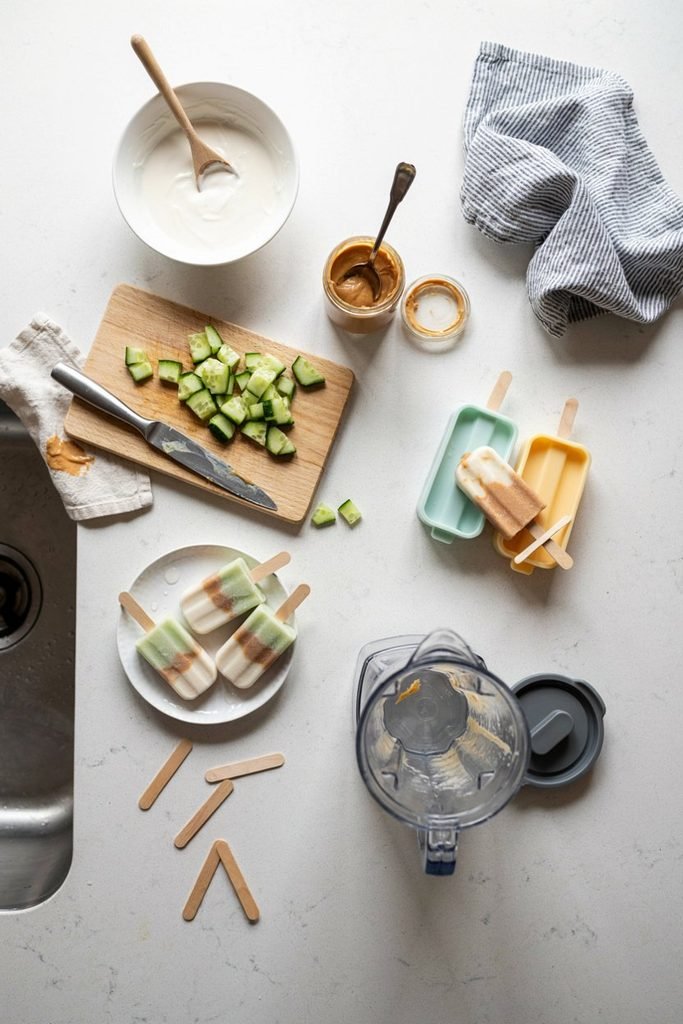
- Pop the treats out of the mold and serve, or transfer to a freezer safe container for later.
How to Adjust This Recipe
For a lighter, lower calorie version. Reduce the peanut butter to just a tablespoon, or leave it out entirely, letting the cucumber and yogurt carry the recipe on their own.
For a richer, more indulgent treat. Increase the peanut butter slightly, keeping in mind that this also increases the calorie density, so smaller portions are appropriate.
For a smoother versus chunkier texture. Blending longer produces a completely smooth, uniform treat, while pulsing briefly leaves small flecks of cucumber throughout for a bit of texture variation.
For a different flavor twist. A small handful of fresh mint leaves, blended in with the rest, adds a cooling, aromatic note that pairs surprisingly well with cucumber, though it’s worth using sparingly given how much stronger a dog’s sense of smell is than ours.
How Many Treats Can a Dog Have?
Treats should stay a small part of your dog’s overall diet, generally no more than about 10 percent of their total daily calories when combined with anything else they get beyond regular meals.
As a general starting point, small dogs do well with one treat, medium dogs with one to two, and large dogs with two to three, though this should be adjusted based on your dog’s individual size, activity level, and overall diet.
As with any new treat, it’s worth monitoring your dog the first time you introduce it, watching for any signs of an upset stomach before making it a regular offering.
Storage
Freezer. Store in an airtight container or freezer safe bag for up to 2 months. Keep the treats frozen and remove only what you plan to serve, since this recipe doesn’t hold up well at room temperature for long given its high moisture content.
Serving. Offer straight from the freezer, or let a treat sit for a minute or two if your dog prefers a slightly softer texture.
Common Problems When Making This Treat
Why is my mixture too thin even before adding water? This can happen with a particularly juicy cucumber. If the blended mixture already seems thin, skip the added water entirely and go straight to pouring it into the mold.
Why won’t the treats release from the mold? Let the mold sit at room temperature for a minute, or run the outside briefly under lukewarm water to loosen the treats without melting them entirely.
Why does my dog seem uninterested in this treat? Some dogs prefer a treat that’s been out for a few minutes and softened slightly, rather than one served rock solid straight from the freezer. It’s worth trying that adjustment before assuming the recipe itself isn’t landing.
Can I use a different vegetable if I don’t have cucumber? Zucchini works as a reasonably similar substitute, given its comparable moisture content and mild flavor, though the final texture will be slightly different.
Good Ingredients to Look For
Fresh, firm cucumber. A good cucumber should feel firm with no soft spots, which makes it easier to blend smoothly.
Plain, unsweetened yogurt. Nothing but yogurt and live cultures on the label, no added sugar or artificial sweeteners.
Plain, single ingredient peanut butter. Just peanuts, and maybe a touch of salt, with nothing else on the label.
Nothing artificial. No added sugar, sweeteners, or seasoning belong in a treat meant to be simple, safe, and refreshing.
Common Mistakes to Avoid
Using flavored or sweetened yogurt. This is one of the easiest mistakes to make without realizing it, since a lot of yogurt marketed toward humans contains added sugar even when it doesn’t look overtly sweetened.
Skipping the peanut butter label check. Worth repeating every time, since it’s a genuinely important safety step and formulations can change even within a brand you already trust.
Making the treats too large. Dogs don’t need cookie sized treats, and smaller pieces make portion control far easier to manage.
Serving straight from the freezer without checking your dog’s reaction. A treat this cold can occasionally be a bit much for a dog who isn’t used to it, so watching their first reaction helps you gauge whether they prefer it fully frozen or slightly softened.
Storing at room temperature for too long. Given the high moisture content from both the cucumber and yogurt, this treat isn’t shelf stable the way a dry biscuit would be, so it belongs in the freezer between servings.
Frequently Asked Questions
Can dogs eat cucumber? Yes, cucumber is generally considered safe for dogs in appropriate amounts, and it’s low calorie and hydrating, making it a good choice for a light, refreshing treat.
Is yogurt safe for dogs? Plain, unsweetened yogurt is generally safe for most dogs in moderate amounts, though some dogs tolerate dairy better than others, so it’s worth introducing gradually the first time.
Is peanut butter safe for dogs? Yes, as long as it’s plain and free of xylitol, which is highly toxic to dogs even in small amounts. Always check the label, even on a brand you’ve used before.
How long do these treats last in the freezer? Generally up to 2 months when stored in an airtight container or freezer safe bag.
Can puppies have these treats? In small amounts, generally yes, though very hard, fully frozen treats may be too much for young teeth, so letting one soften slightly first is often a better choice for puppies specifically.
How many of these treats can I give my dog in a day? As a starting point, one treat for small dogs, one to two for medium dogs, and two to three for large dogs, adjusted based on your dog’s individual size and overall diet.
Can I make this recipe without a blender? A blender or food processor gives the smoothest, most consistent result, though finely grating the cucumber by hand and mixing it with the yogurt and peanut butter can work in a pinch, resulting in a slightly chunkier texture.
What if my dog doesn’t seem to like cucumber? Not every dog responds to every flavor the same way. If cucumber doesn’t land well, the same basic yogurt and peanut butter base works with other dog safe fruits or vegetables swapped in instead.
Can I add other ingredients to this recipe? A small amount of plain pumpkin puree or a few blueberries can be blended in for variety, though it’s worth keeping additions modest and sticking to ingredients you already know are safe for dogs.
Is this treat good for a dog who needs to watch their weight? Yes, cucumber’s low calorie density makes this one of the lighter treat options available, especially in the reduced peanut butter version.
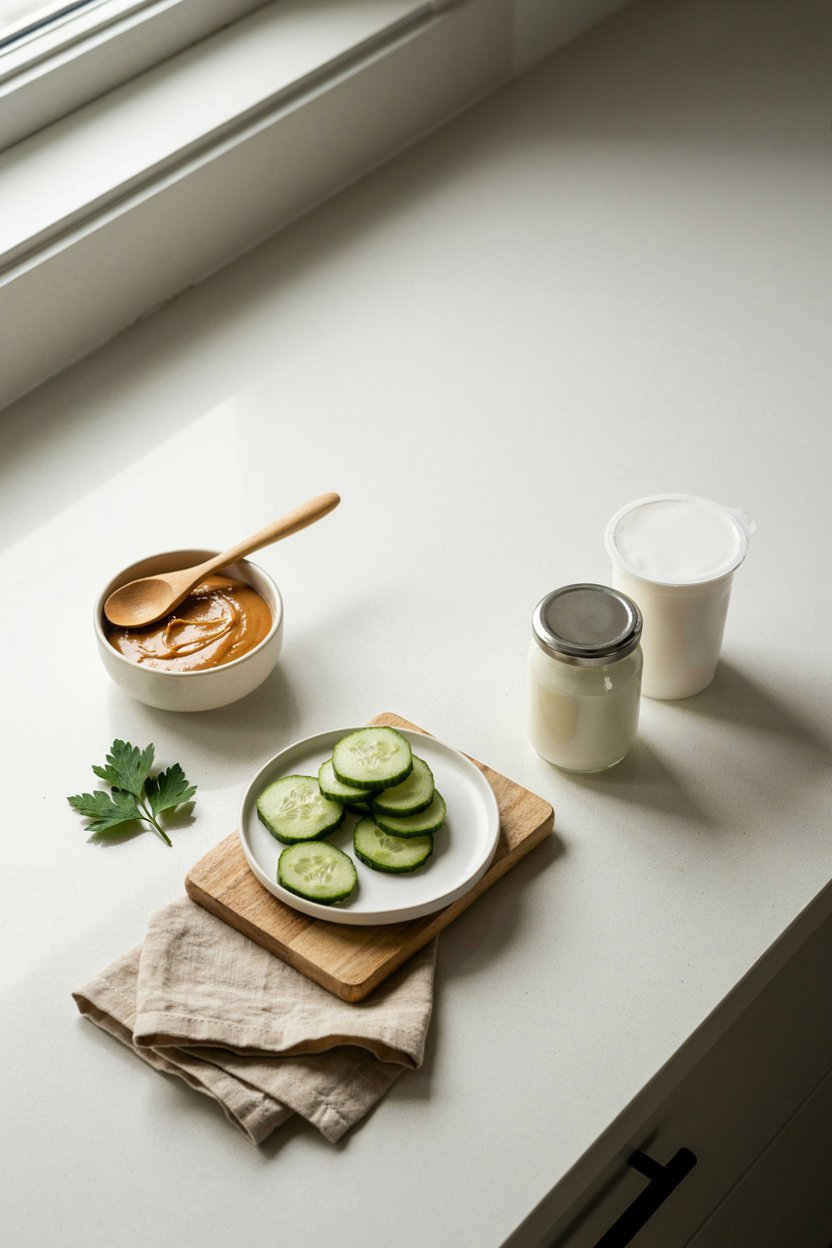
Cucumber Frozen Dog Treats
Ingredients
Equipment
Method
- Wash, peel, and chop the cucumber into small pieces.
- Add the cucumber, plain Greek yogurt, and peanut butter to a blender.
- Blend until the mixture is smooth and creamy.
- Pour the mixture into small silicone molds.
- Place the molds in the freezer and freeze for at least 4 hours, or until completely firm.
- Remove a treat from the mold and allow it to soften slightly before serving.
- Use plain unsweetened Greek yogurt and peanut butter that contains no xylitol or other unsafe sweeteners. Check the ingredient labels carefully.
- Serve these treats in moderation as an occasional snack. They should not replace your dog’s regular complete and balanced food.
- For dogs with food allergies, sensitive stomachs, or veterinarian prescribed diets, check with your veterinarian before introducing new treats.
Final Thoughts
Cucumber earns its place in this recipe by doing exactly what a summer treat should, keeping things light, cool, and genuinely hydrating without much fuss.
Blended with yogurt and a bit of peanut butter, it turns from a plain vegetable most dogs would walk past into something they’ll wait by the freezer for on a hot afternoon.
Start with the base recipe, adjust the peanut butter up or down depending on how rich you want it, and keep a batch on hand for whenever the weather calls for something cold.

5 Comments