
Simple Homemade Cat Food With Ground Turkey
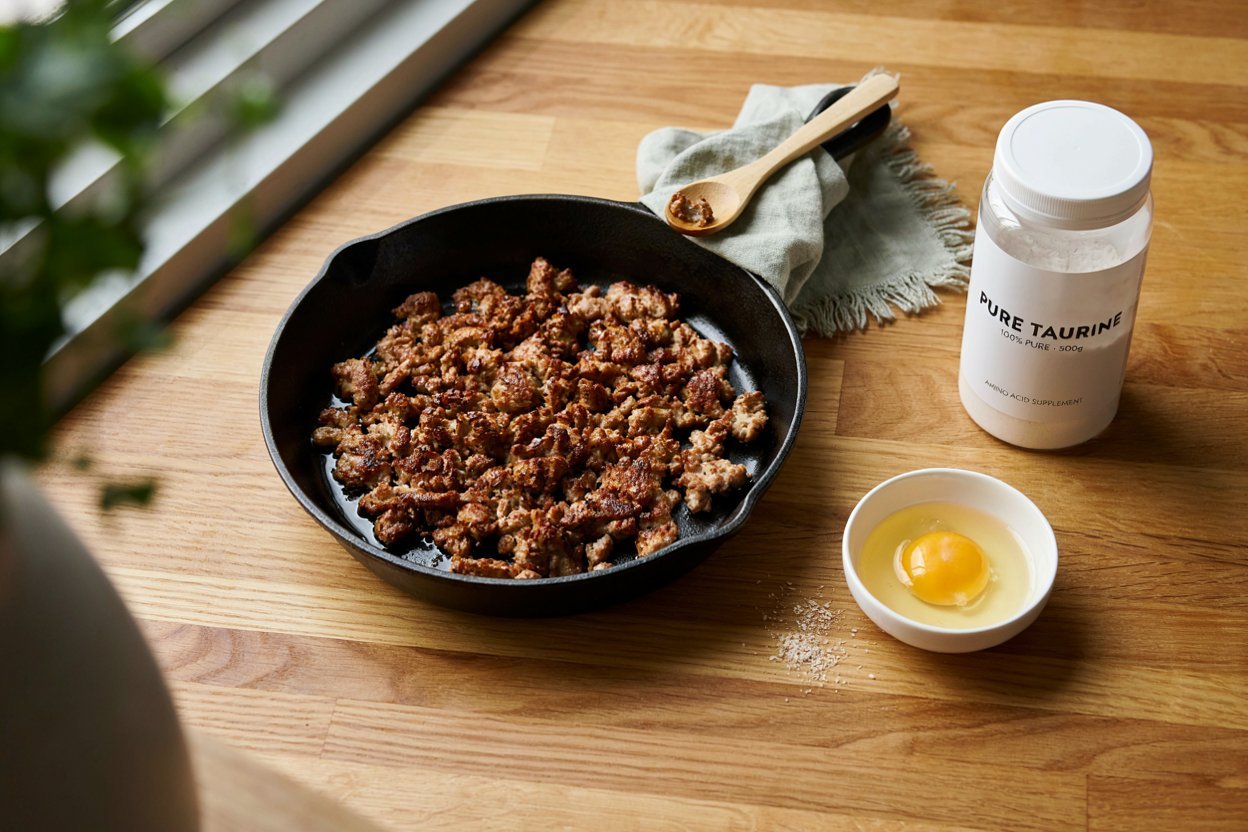
Ground turkey is one of the easier proteins to start with if you’re new to cooking for your cat. It’s widely available, mild enough that most cats take to it without much fuss, and lean enough to build a genuinely appropriate meal around without a lot of excess fat to worry about.
This recipe is built specifically with a beginner in mind, using a short ingredient list and clear preparation steps, along with the explanation you need to understand exactly why each ingredient is there rather than just following instructions blindly.
If you want to build out your homemade cooking rotation beyond this one recipe, a few related guides are worth having open alongside this one.
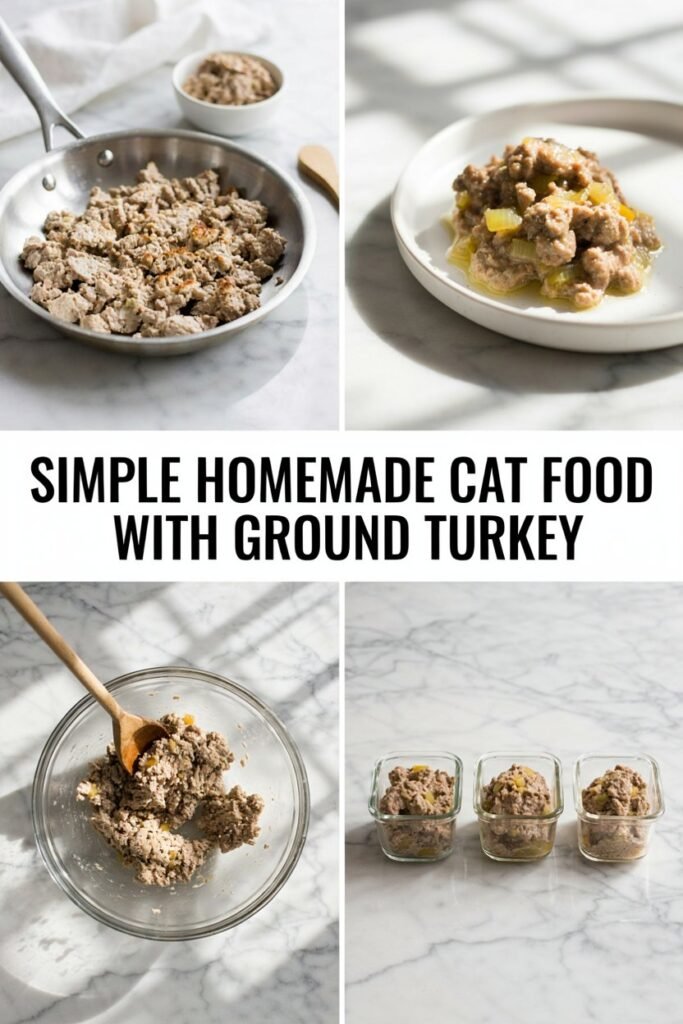
Homemade chicken cat food recipe and beginner friendly raw inspired cat food ideas offer more starting points, easy chicken based homemade cat recipes, homemade cat food recipes, and homemade cat food recipes, part two give you plenty of room to expand once you’re comfortable, homemade cat food for senior cats and cat weight gain meals cover feeding for specific life stages, cat food ingredients to avoid is worth a look for label reading in general, and beginner homemade cat soup recipes for hydration and healthy homemade cat gravy toppers for picky eaters pair nicely with this recipe if your cat likes a bit of extra moisture added to their meals.
Why Ground Turkey Works Well for Cats
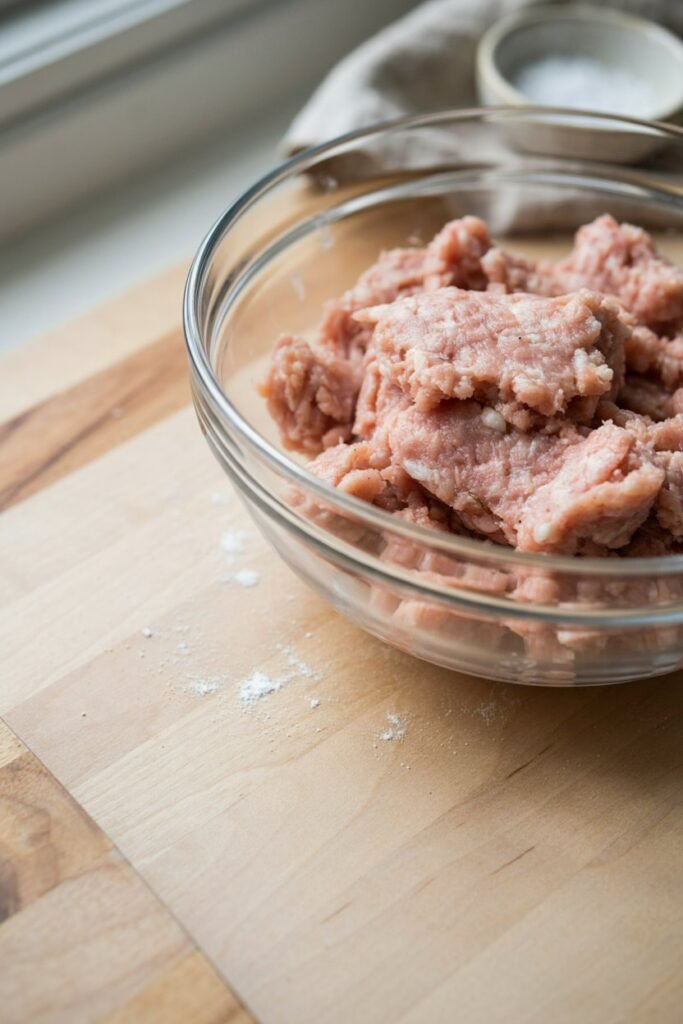
Turkey is a lean, mild protein that most cats accept easily, and it’s a genuinely reasonable place to start if homemade cooking still feels a little intimidating.
It’s budget friendly compared to some other proteins, easy to find at any grocery store, and cooks quickly without needing any special technique.
None of that makes turkey automatically better than chicken or salmon, just that it’s a low risk, dependable starting point for your first attempt at cooking for your cat.
An Important Note Before You Start
Cats are obligate carnivores with more specific nutritional requirements than dogs, and it’s worth being upfront that this recipe, like most simple homemade meals, isn’t automatically a complete and balanced diet suitable for feeding as your cat’s sole food over the long term. Cats need more than protein alone to thrive.
Their diet requires adequate taurine, calcium, essential fatty acids, and a full range of vitamins and minerals, all in specific amounts that a simple recipe like this one doesn’t fully provide on its own, particularly taurine, which cats can’t synthesize sufficiently and which is commonly missing from homemade diets that aren’t professionally formulated.
Used as an occasional meal, a topper, or a starting point while you learn the basics of cooking for your cat, this recipe is genuinely useful. Used as the only thing your cat eats every day indefinitely, it needs proper nutritional formulation, ideally with a veterinarian or a board certified veterinary nutritionist involved in the process.
Simple Homemade Cat Food With Ground Turkey
Yield: About 6 to 8 small servings, depending on your cat’s size Prep Time: 10 minutes Cook Time: 15 minutes Total Time: About 25 minutes Storage: Refrigerate up to 2 to 3 days, freeze up to 2 months
Ingredients
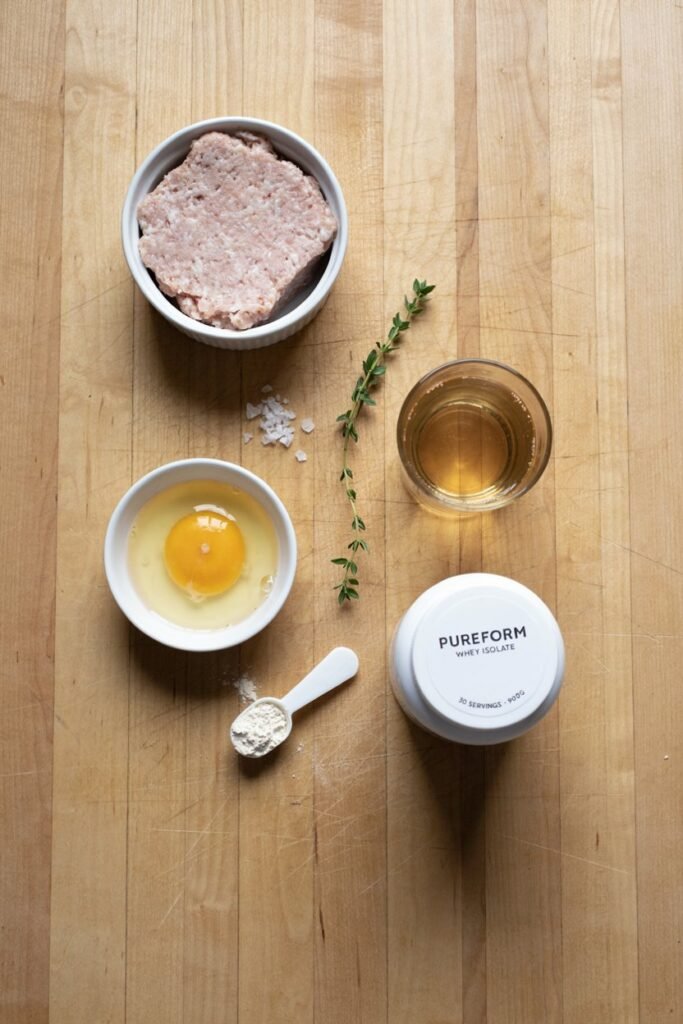
- 1 pound ground turkey. Turkey provides the main animal protein in this meal, which is essential given that cats are obligate carnivores relying heavily on animal based nutrients. Look for plain ground turkey with no seasoning added, and a moderate rather than extremely lean fat content, since a bit of natural fat helps the meal feel satisfying.
- 1 egg. A whole egg adds extra protein and a bit of healthy fat, and it’s an easy, low effort way to round out the nutritional profile of an otherwise simple recipe.
- 2 tablespoons water or low sodium broth, onion and garlic free. A small amount of liquid helps keep the finished texture moist, which matters more for cats than dogs, since cats often don’t drink enough water on their own and benefit from extra moisture built into their meals.
- A vet recommended taurine and calcium supplement, as appropriate. This is not optional for regular feeding. Muscle meat alone doesn’t reliably provide the taurine and calcium a cat needs, and this recipe should not be fed as a primary diet without an appropriate supplement added according to your veterinarian’s guidance.
How to Make It
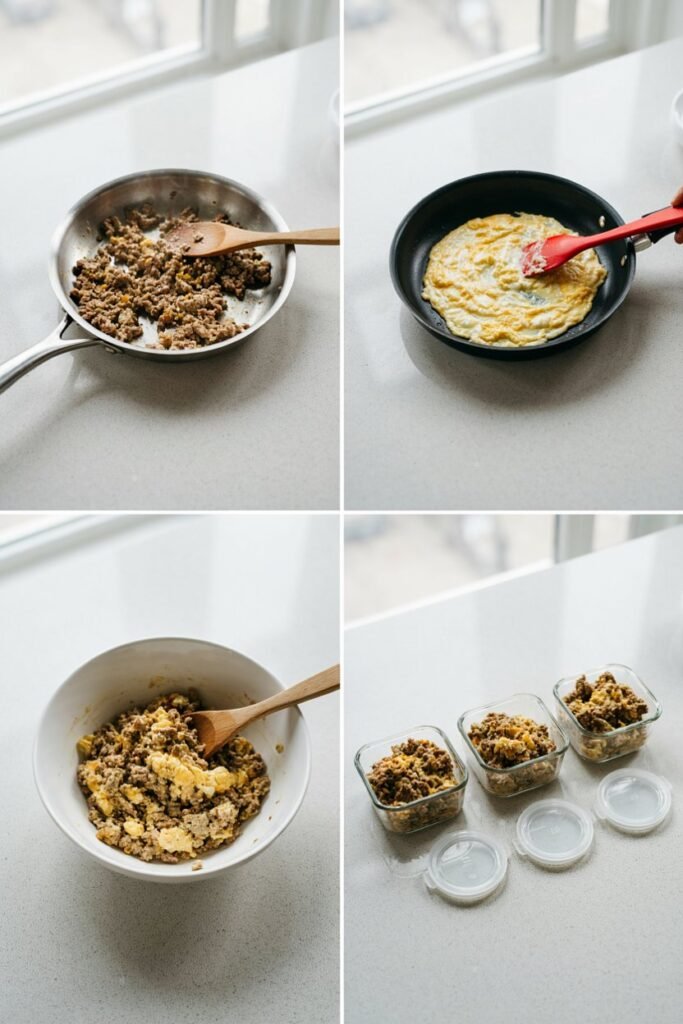
- Cook the ground turkey thoroughly in a skillet with nothing added, no oil, salt, or seasoning of any kind, breaking it into small, cat appropriate pieces as it browns.
- In a separate small pan, scramble the egg fully, with nothing added.
- Once both are cooked, let everything cool slightly.
- Combine the turkey and egg in a bowl, stirring in the water or broth to reach a moist, easy to eat texture.
- Once the mixture has cooled to room temperature, stir in any supplement your veterinarian has recommended.
- Portion into small, individual servings before refrigerating or freezing.
How Much Should You Serve?
There’s no single serving size that works for every cat, and feeding amounts depend on your cat’s body weight, age, activity level, neutered status, and overall diet.
As a general starting point, most adult cats need a modest daily calorie intake relative to their small size, and this recipe should be portioned into small amounts, roughly a few tablespoons per serving, rather than large bowls.
Working with your veterinarian to determine a more precise daily calorie target for your specific cat is the most reliable way to get portions right.
Storage
Refrigerator. Store in a clean, airtight container and use within 2 to 3 days, since cat food made with fresh ground meat and egg has a shorter safe window than some dog food recipes.
Freezer. Portion into small, individual servings before freezing, which makes future meals more convenient. Most portions hold their quality for up to 2 months in the freezer.
Thawing. Thaw frozen portions in the refrigerator overnight rather than leaving them out at room temperature.
Serving. Only put out the amount your cat is likely to finish in one sitting, and promptly refrigerate or discard any leftovers rather than leaving food sitting out for an extended period.
How to Transition Your Cat to This Recipe
Rather than replacing your cat’s regular food all at once, introduce this recipe gradually over about a week, watching their appetite and stool quality along the way.
Start with a small amount mixed into their regular food, and increase the proportion slowly if things go smoothly.
If your cat refuses the new food outright, don’t encourage prolonged fasting to try to force the switch, since cats that stop eating for an extended period can develop serious health problems.
Persistent appetite loss is a reason to contact your veterinarian rather than continue pushing the transition on your own.
Easy Ingredient Substitutions
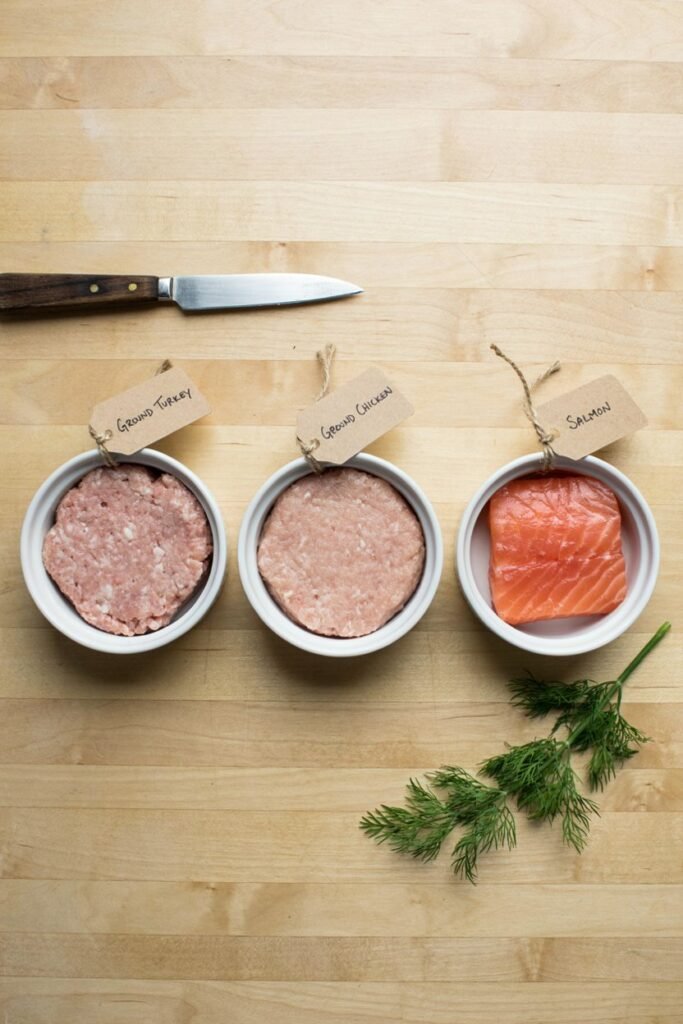
Turkey to chicken. Plain cooked chicken works as a direct substitute in the same quantity.
Egg to a small amount of plain cooked fish. Fully cooked, deboned fish like salmon can replace the egg for variety, though it should be introduced carefully the first time.
Water to bone broth. A plain, onion and garlic free bone broth can replace plain water for a bit of extra flavor and moisture.
Substitutions can shift the overall nutrient composition of the recipe, so it’s worth keeping that in mind if you’re using this meal regularly rather than as an occasional addition.
Ingredients You Should Never Add

- Onion, garlic, and chives damage red blood cells and can cause anemia in cats, even in small amounts, and cats are notably sensitive to this relative to their small size.
- Excess salt and seasoning blends offer no benefit and can be genuinely harmful in larger quantities.
- Cooked bones can splinter and cause internal injury.
- Xylitol containing products cause a dangerous, rapid drop in blood sugar.
- Chocolate, grapes, raisins, and alcohol are all toxic to cats and should never appear in a homemade recipe under any circumstances.
- Large amounts of liver or other organ meat can lead to a vitamin A excess if fed too frequently or in too large a portion.
Good Ingredients to Look For When Cooking for Your Cat
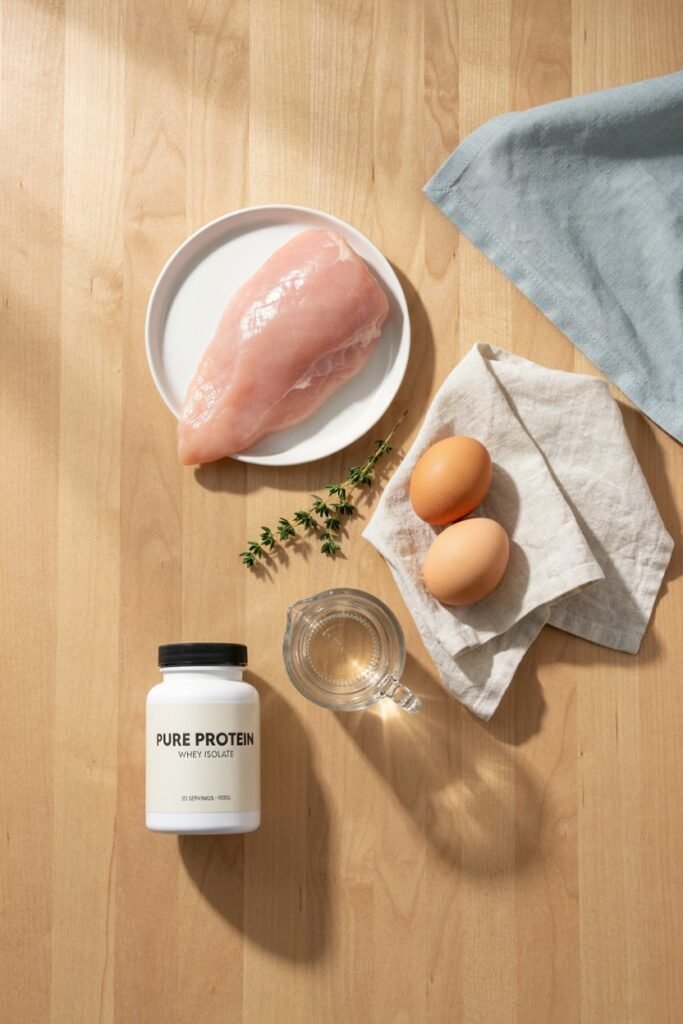
Named animal proteins. Turkey, chicken, and fish all clearly identify exactly what’s going into the bowl, which is always a good sign of transparency.
Eggs. A genuinely useful, easy source of complete protein and healthy fat that most cats tolerate well.
A reliable taurine and calcium supplement. Since muscle meat alone doesn’t provide enough of either, a properly formulated supplement is a necessary part of any homemade cat food meant for regular feeding, not an optional extra.
A small amount of added moisture. Water or broth mixed into a homemade meal helps address the low thirst drive many cats have, making the meal itself a small source of hydration alongside their regular water intake.
Plain, unseasoned preparation throughout. No salt, garlic, onion, or seasoning blends, ever, regardless of how small the amount or how harmless it seems.
Common Mistakes to Avoid
Skipping the taurine supplement. This is the single most important thing to get right if you’re using this recipe regularly. Taurine deficiency is a genuine risk in homemade cat diets that aren’t properly formulated, and it can lead to serious heart and eye problems over time.
Assuming plain meat alone is complete. A recipe with just turkey and egg is a good foundation, not a finished, nutritionally complete diet on its own.
Feeding too much at once. Cats have small stomachs relative to their size, and overly large portions are more likely to go to waste or lead to gradual weight gain than to genuinely benefit your cat.
Making a large batch without proper portioning. Cat food made with fresh meat and egg spoils faster than many dog food recipes, so portioning into small, quickly used servings matters more here than it might for a larger dog’s meal.
Introducing the recipe too quickly. A sudden switch from your cat’s regular food is one of the most common causes of digestive upset when starting homemade feeding for the first time.
Frequently Asked Questions
Can I feed this recipe every day? Only with an appropriate taurine and calcium supplement added, ideally recommended by your veterinarian. Without that, it works better as an occasional meal or topper rather than a daily staple.
Can I use ground turkey breast instead of regular ground turkey? Yes, though the finished meal may be slightly drier since it has less natural fat than a standard ground turkey blend.
Is turkey easier for cats to digest than chicken? Not necessarily easier, but generally comparable. Both are considered gentle, easily digestible proteins, and which one your cat prefers often comes down to individual taste.
Can kittens eat this recipe? Kittens have more specific nutritional needs during growth than adult cats, so this recipe shouldn’t become a kitten’s regular diet without a veterinarian reviewing it first, particularly around calcium and taurine levels.
Can senior cats eat this recipe? Often, yes, since lean turkey tends to be gentle and easy to eat, though senior cats with specific health conditions should have any dietary change reviewed by their vet.
How long does this recipe last in the refrigerator? Generally about 2 to 3 days when stored in a clean, airtight container.
Can I freeze this recipe? Yes, portioning it into individual servings before freezing makes future meals easier to manage, and it holds up well for up to 2 months frozen.
Why does this recipe need a supplement if the ingredients are all natural? Natural ingredients don’t automatically add up to complete nutrition. Taurine in particular is present in some animal tissues but often not in sufficient concentration from muscle meat alone, which is why a dedicated supplement matters for regular feeding.
Can I double this recipe for batch cooking? Yes, this recipe scales up easily, though it’s worth portioning into smaller individual servings given how quickly cat food with fresh meat and egg can spoil compared to a larger batch meant for a dog.
Is this recipe nutritionally complete on its own? Not without an appropriate taurine and calcium supplement added according to veterinary guidance. As written with the supplement included, it can serve as a reasonable regular meal, but any long term exclusive use should still involve your veterinarian to confirm it fully meets your specific cat’s needs.
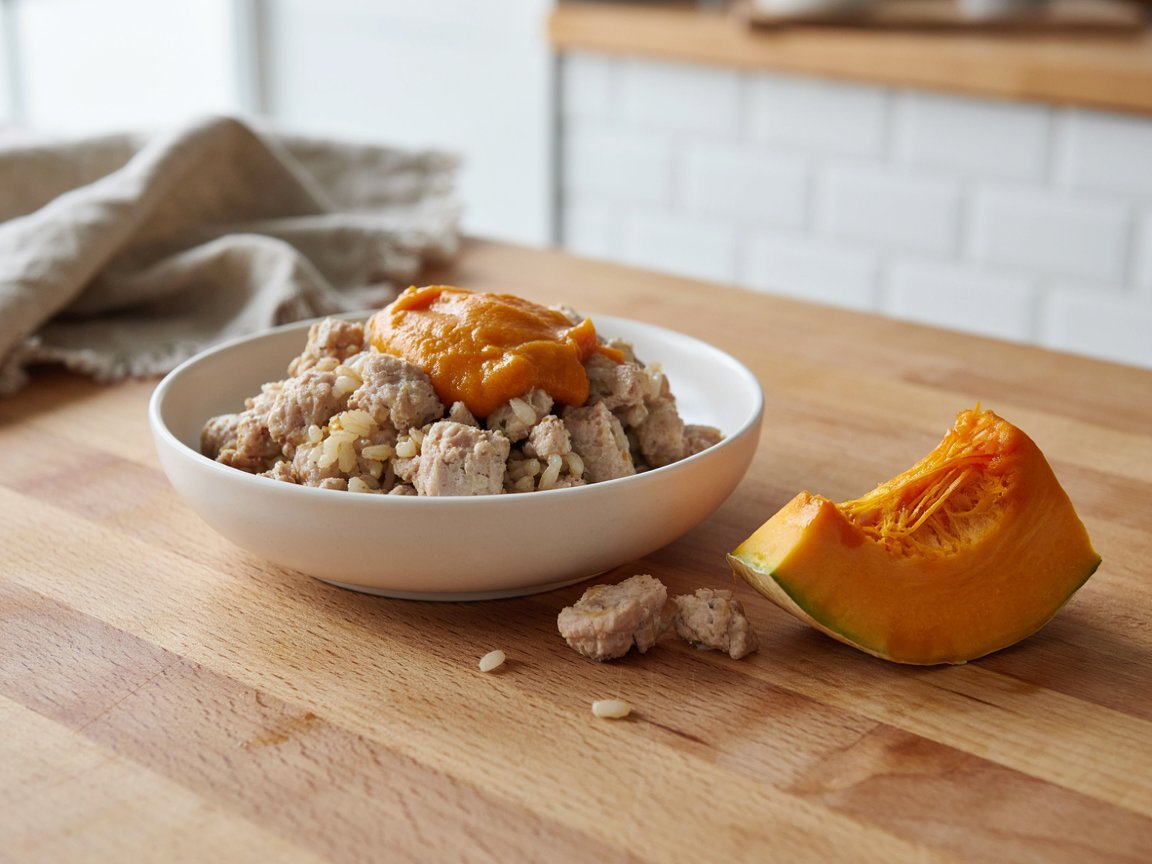

Simple Homemade Cat Food With Ground Turkey
Ingredients
Equipment
Method
- Heat a skillet over medium heat and add the ground turkey.
- Cook the turkey thoroughly, breaking it into small pieces as it cooks. Do not add salt, onion, garlic, or seasonings.
- Drain excess fat and allow the turkey to cool slightly.
- Add the cooked turkey, pumpkin, and rice to a mixing bowl.
- Add the warm water and gently mix until everything is evenly combined.
- Allow the food to cool completely before serving.
- Use plain ground turkey without added seasoning. Avoid onion, garlic, salt, spices, and other ingredients that can be harmful to cats.
- This recipe is best used as an occasional meal or topper unless it has been properly formulated to meet a cat’s complete nutritional requirements.
Final Thoughts
Ground turkey is a genuinely approachable place to start if cooking for your cat still feels a little unfamiliar.
The ingredients are easy to find, the preparation is simple, and the recipe gives you a real foundation to build from as you get more comfortable with the basics of homemade feeding.
Just remember that the supplement step isn’t optional if this becomes a regular part of your cat’s diet, and when in doubt, your veterinarian is always the best resource for making sure your specific cat’s nutritional needs are genuinely being met.

One Comment