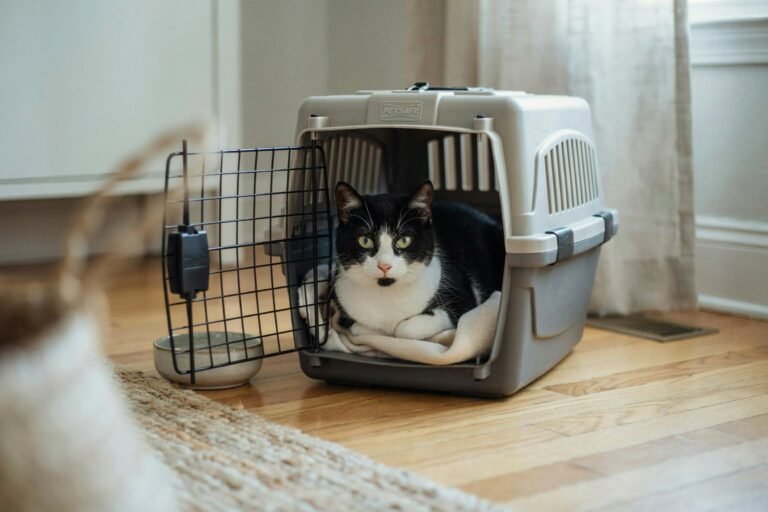
Beginner-Friendly Homemade Cat Gravy Recipes
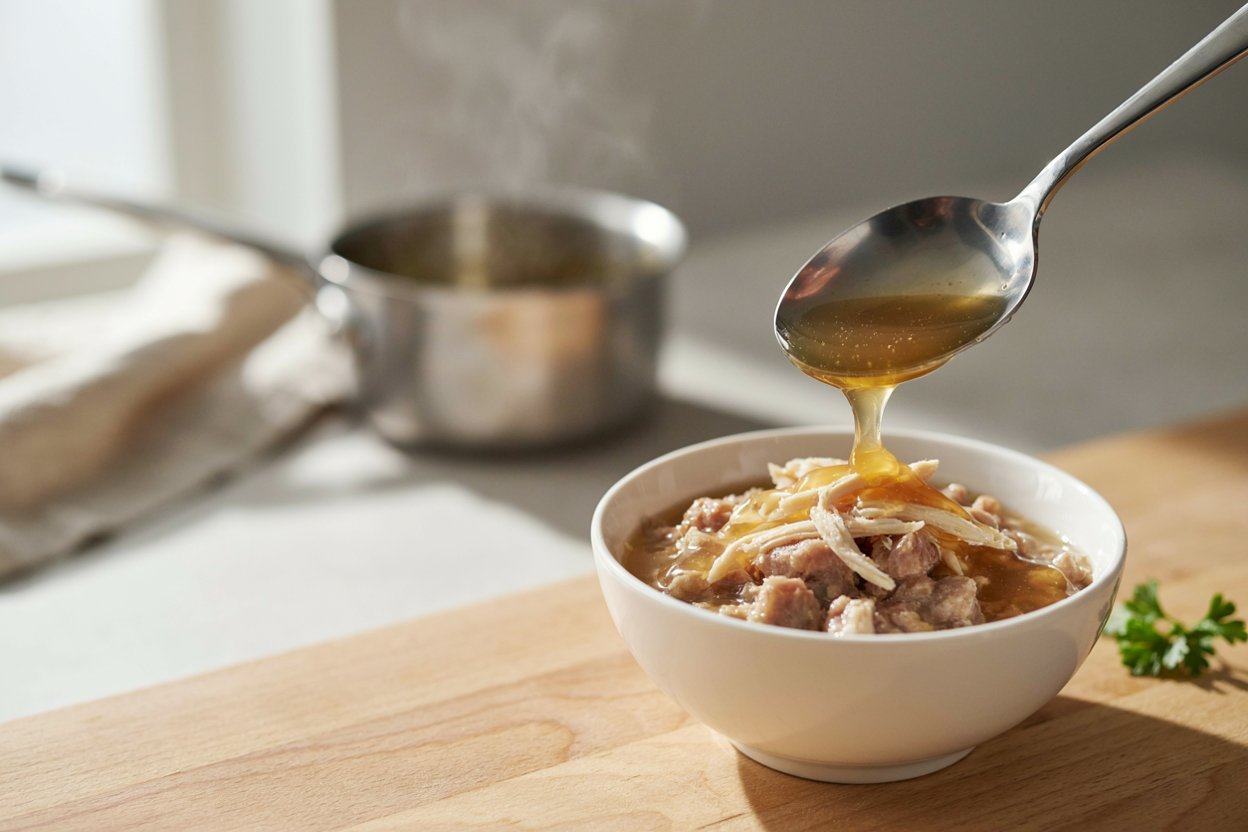
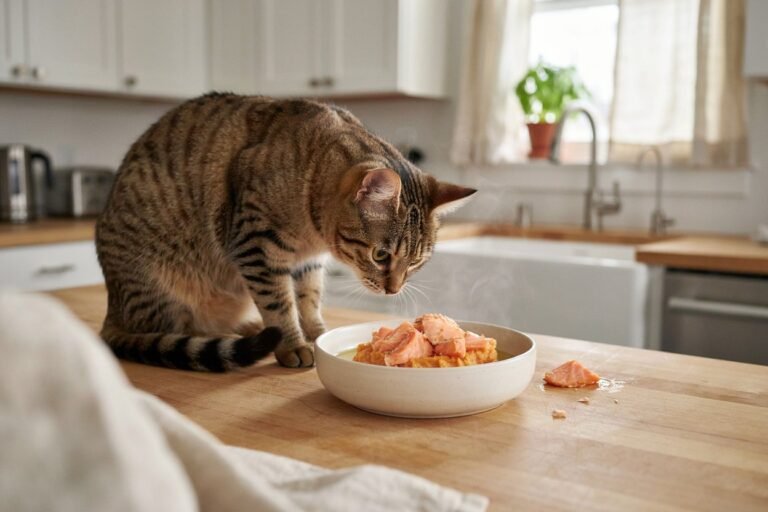
There is a specific sound every cat owner knows well, the quiet clink of a spoon against a bowl followed by a cat appearing seemingly out of nowhere. Gravy has a way of turning even a reluctant eater into an eager one, which is part of why so many commercial wet foods lean on it so heavily.
The good news is that a simple, savory gravy is one of the easiest things you can make at home, and it gives you far more control over what actually ends up in your cat’s bowl than most store bought options do.
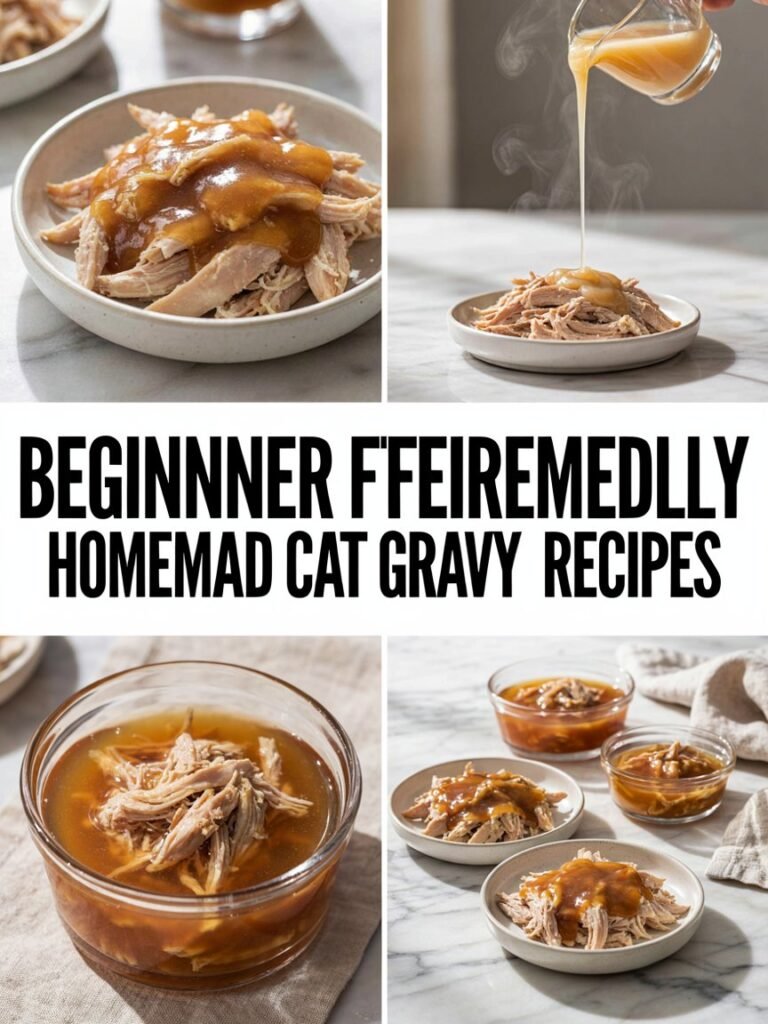
This guide is written for anyone who has never made cat gravy before. You do not need any special skill in the kitchen, and the ingredient list is short and easy to find at any grocery store.
What follows is an explanation of why gravy is genuinely useful for cats, not just a treat, safety guidance to read before you start, one simple base recipe you can build from, a few easy ways to change it up once you feel comfortable, and answers to the questions beginners tend to ask most.
Disclaimer: This post may contain affiliate links, which means I may earn a small commission at no extra cost to you. Always consult your veterinarian before introducing homemade meals or gravy recipes into your cat’s diet.
Amazon Shopping List You Need
- Nonstick Saucepan with Lid
- Immersion Hand Blender for Smooth Gravy
- Stainless Steel Cat Food Bowls
- Glass Meal Prep Containers with Lids
- Silicone Freezer Portion Trays
- Airtight Pet Food Storage Container
- Cat Multivitamin Supplement Powder
Why Homemade Gravy Is Worth Making
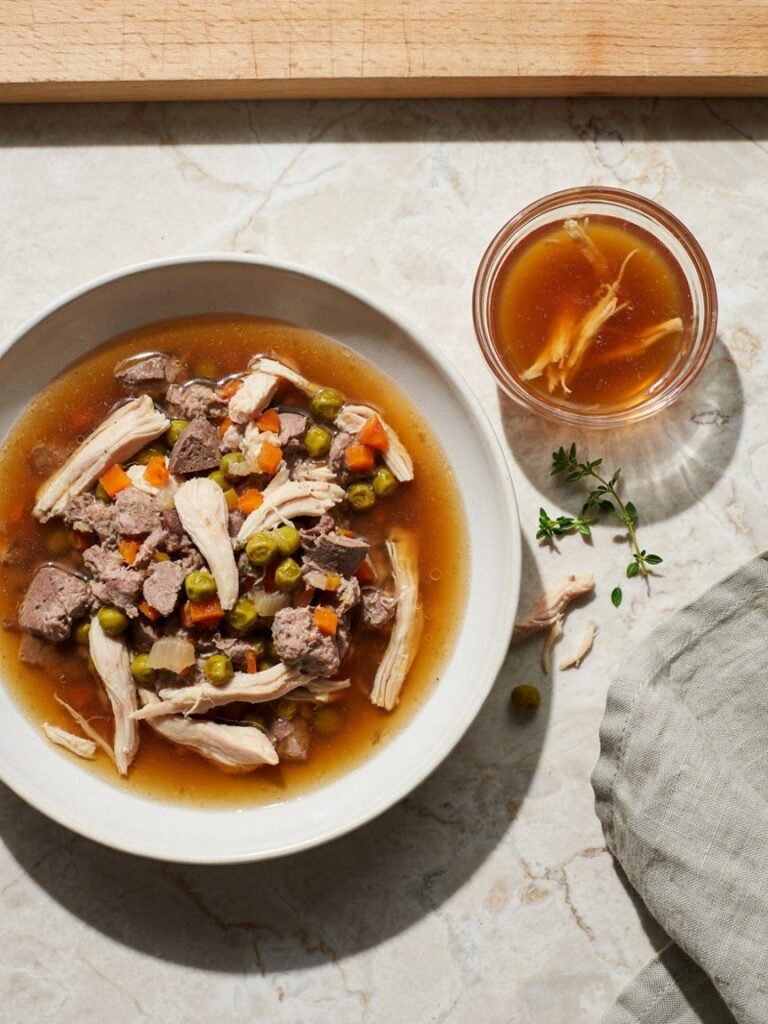
Gravy is not just about flavor, although flavor is a big part of its appeal. Cats have a naturally low thirst drive, and much of their hydration is meant to come from food rather than a water bowl, which is one of the reasons wet, moisture rich meals matter so much for feline health.
A well made gravy adds meaningful extra moisture to any meal, whether it is drizzled over dry kibble, mixed into a portion of canned food, or served as a light meal on its own alongside a protein.
Gravy is also one of the simplest tools for encouraging a cat who has become a picky eater to finish a meal, or to take in food and hydration during a period of stress or minor illness when appetite tends to dip.
The strong, savory aroma of a warm broth based gravy appeals to a cat’s reliance on smell when deciding whether something is worth eating, often succeeding where a cold, unseasoned bowl of food falls flat.
Finally, because you are making it yourself, you know exactly what has gone into it. That matters if your cat has a sensitivity to a specific ingredient, or if you simply want to avoid the fillers, thickeners, and preservatives found in some commercial gravy products.
Before You Start
A few basic guidelines will help you make gravy safely, especially on your first attempt.
- Never use onion or garlic in any form, including onion or garlic powder, since both are toxic to cats even in small amounts.
- Avoid added salt, since a cat’s sodium needs are much lower than a human’s, and commercial broths are often saltier than they need to be for this purpose.
- Introduce gravy gradually if your cat has never had it before, offering a small amount first and watching for any digestive upset over the following day.
- Talk with your veterinarian before making gravy a regular part of your cat’s diet if your cat has a health condition such as kidney disease, a urinary issue, or a condition that requires close sodium or fluid management, since even a homemade, low sodium gravy still adds to their overall intake.
- Remember that gravy is meant to complement a balanced diet, not replace one, so continue offering your cat’s regular food alongside it unless your veterinarian advises otherwise.
Ingredient Guide
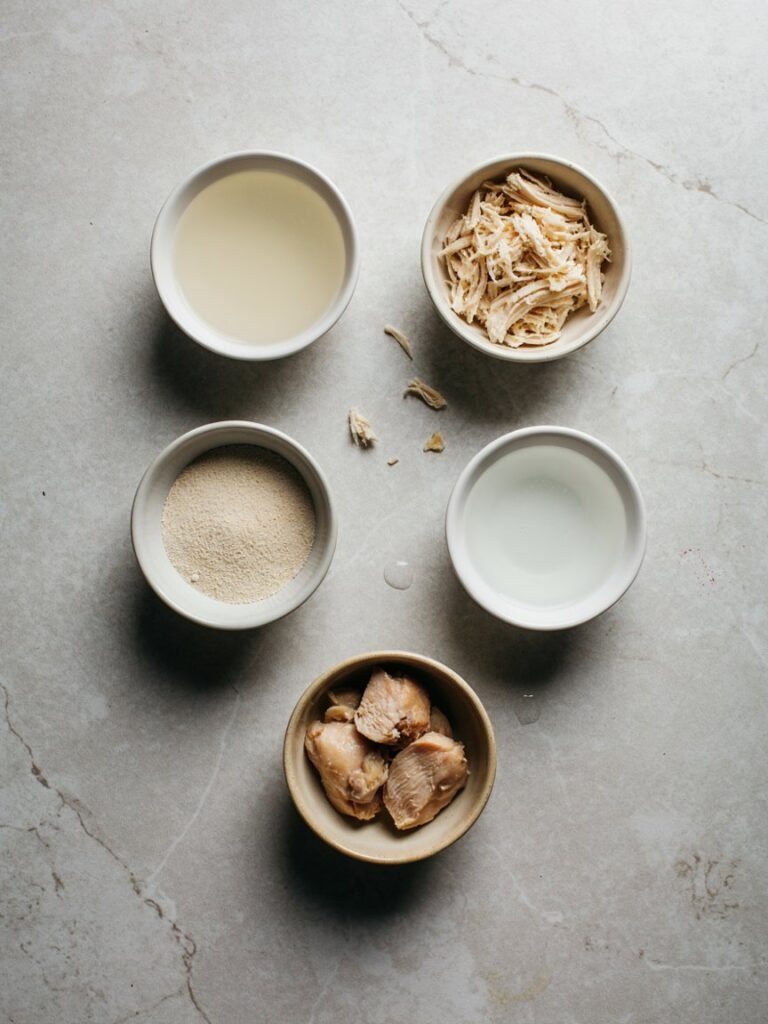
Every recipe in this guide is built from a small handful of accessible ingredients, each included for a specific reason.
- Low sodium chicken or beef broth, no onion or garlic added: the base of almost any cat gravy, providing moisture and a savory flavor cats respond to strongly.
- Cooked chicken, turkey, or fish, finely shredded or flaked: adds protein and substance, turning a simple gravy into something closer to a full meal.
- Plain unflavored gelatin, optional: helps thicken the gravy to a smoother, glossier consistency without needing flour or cornstarch.
- A small amount of water: used to thin the gravy to your cat’s preferred consistency, since some cats prefer a thinner, more sippable gravy while others prefer something thicker.
- Fully cooked egg, optional: can be finely chopped and stirred in for extra protein and a gentler flavor.
Ingredients to avoid entirely include onion, garlic, added salt, dairy beyond a very occasional small taste, and any broth or bouillon product that lists onion or garlic powder among its ingredients, which is worth double checking even on products marketed for pets.
If you want more ideas built specifically around picky eaters, our guide to healthy homemade cat gravy toppers for picky eaters goes deeper into that particular use case, and our affordable homemade cat gravy food budget recipes guide is a good next stop if cost is a priority for your household.

The Base Recipe
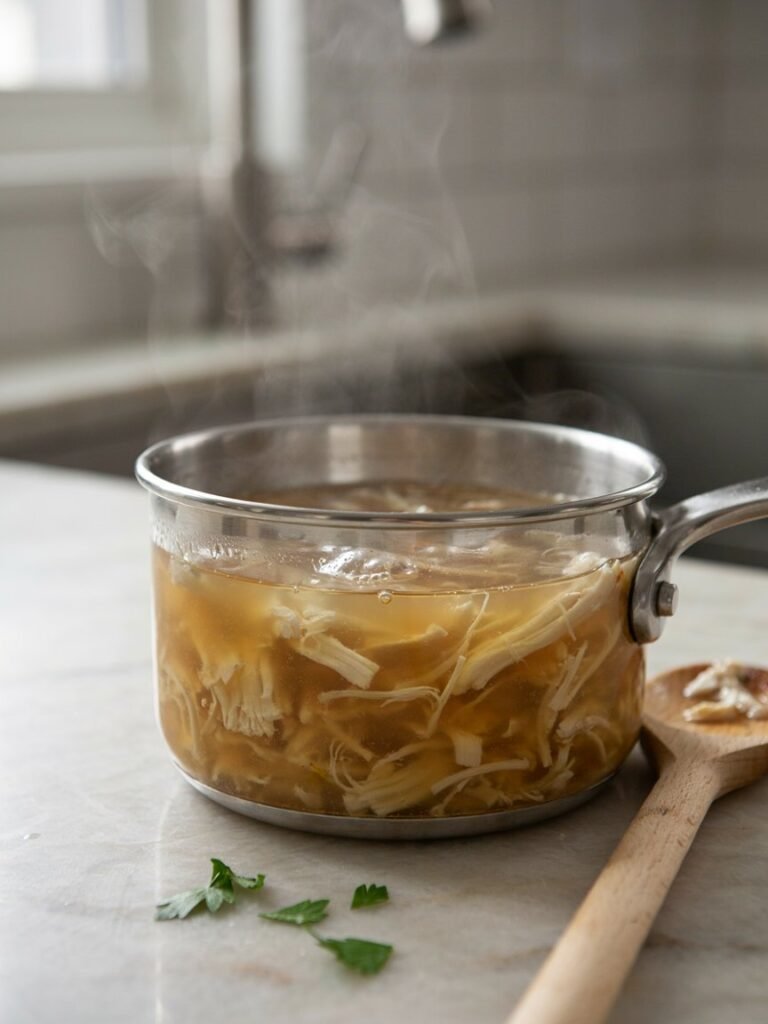
This is the recipe to start with, since it uses only a few ingredients and comes together in about fifteen minutes.
Prep time: 5 minutes | Cook time: 10 minutes | Yield: About 2 cups
You will need:
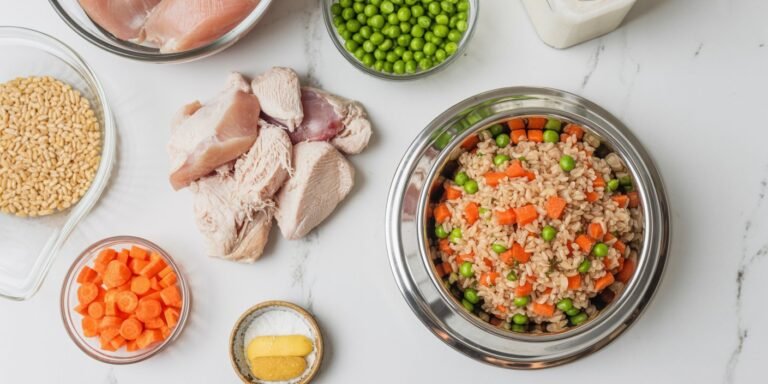
- 1 cup low sodium chicken broth, no onion or garlic added
- 1/2 cup cooked chicken, finely shredded
- 1/2 teaspoon plain unflavored gelatin, optional, for a thicker consistency
- 1/4 cup water, as needed to adjust thickness
To make it:
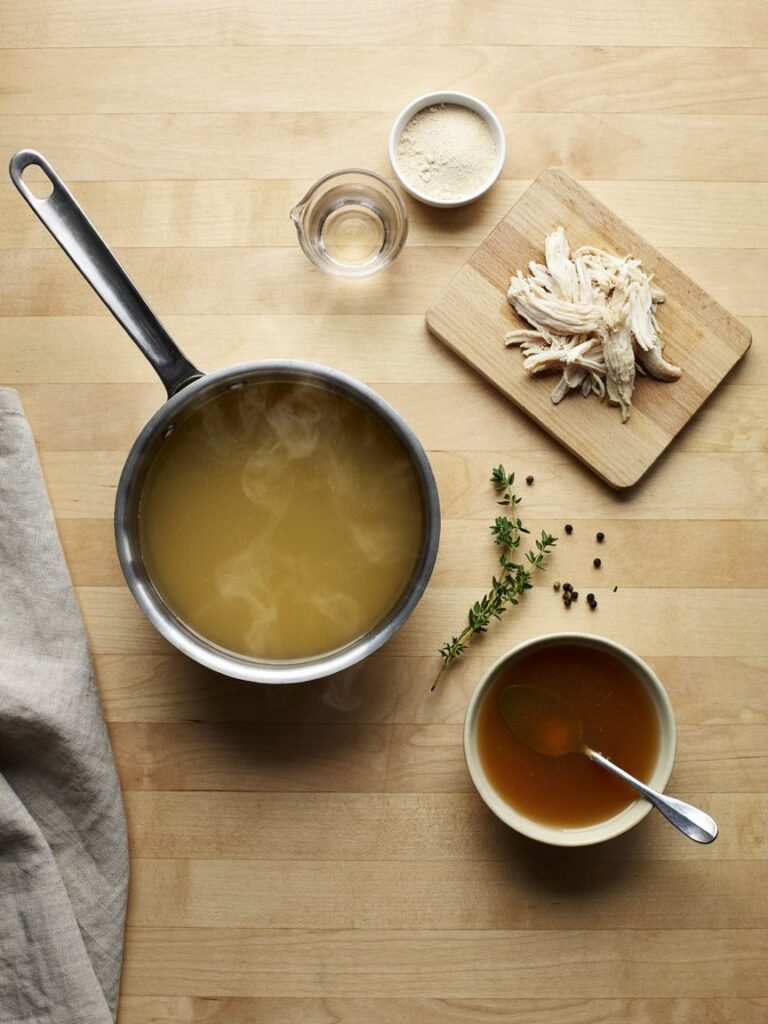
- Warm the broth gently in a small saucepan over low heat, without letting it boil.
- If using gelatin, whisk it into the warm broth until fully dissolved.
- Stir in the shredded chicken and let it simmer gently for a few minutes so the flavors combine.
- Add water a tablespoon at a time until the gravy reaches your cat’s preferred consistency, whether that is thin and sippable or thicker and spoonable.
- Remove from heat and cool to a safe serving temperature before offering it to your cat.
This base recipe keeps well in the refrigerator for about three days, and it freezes nicely in small portions for up to two months, which makes it easy to keep a batch on hand for whenever your cat could use a little extra encouragement at mealtime.
Simple Variations Once You Are Comfortable
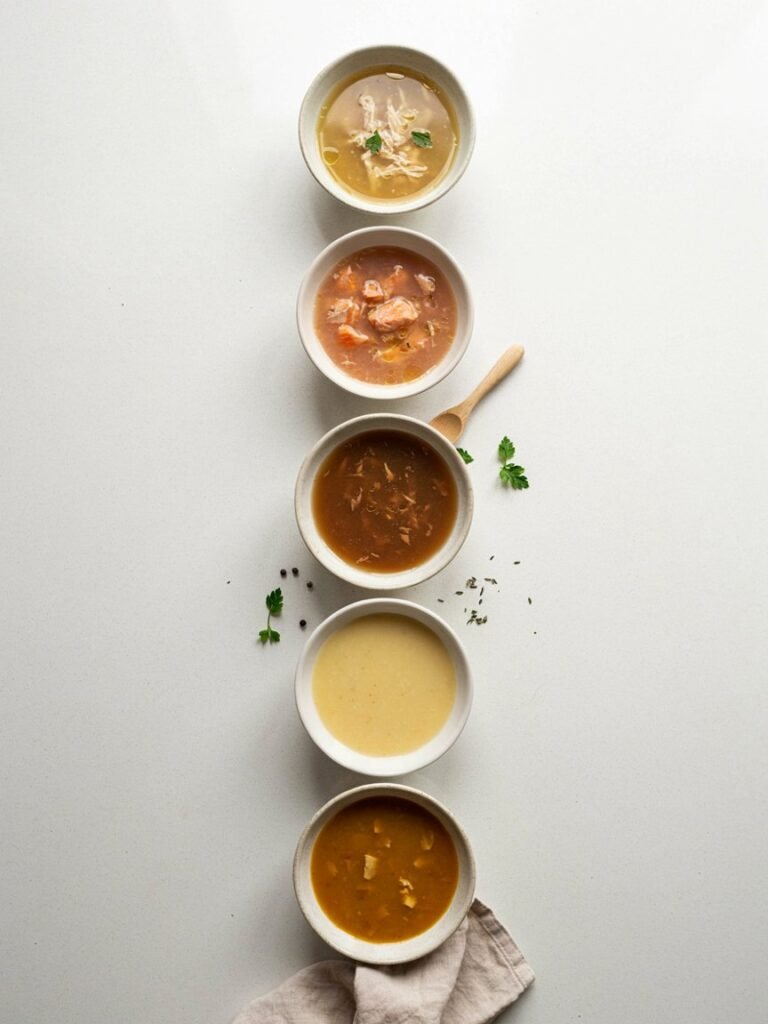
Once you have made the base recipe a few times, it is easy to adjust it to fit your cat’s preferences or whatever you happen to have on hand.
Swapping the chicken for flaked salmon or tuna, both fully cooked and checked carefully for bones, gives you a fish forward version that many cats find especially appealing thanks to its strong aroma.
A finely chopped, fully cooked egg stirred in at the end adds a gentler flavor and a bit of extra protein for cats who prefer something milder than fish or dark meat chicken.
If your cat tends to need a bit of extra digestive support, a small spoonful of plain pumpkin puree stirred into the finished gravy adds fiber without changing the overall flavor much.
None of these variations require a different method, just a small substitution or addition to the same basic base.
How Much Gravy Is Appropriate
A few tablespoons of gravy mixed into or drizzled over a regular meal is generally plenty, whether you are using it to add moisture to dry food or to make a canned meal more appealing.
If you are offering gravy as more of a stand alone snack between meals, keep the portion small, similar to the guidance for any treat, so it does not meaningfully displace your cat’s regular, nutritionally complete food.
Cats with specific health conditions, particularly those requiring sodium or fluid restriction, should only have homemade gravy as part of a plan reviewed by your veterinarian.
Frequently Asked Questions
Is homemade gravy actually good for cats, or is it just a treat? It can genuinely support hydration and appetite, particularly for cats who do not drink much water on their own or who are going through a period of reduced appetite, though it should complement rather than replace a balanced diet.
Can I use store bought broth instead of making my own? Yes, as long as it is low sodium and free of onion, garlic, and any onion or garlic powder, which shows up in some broths marketed for cooking rather than specifically for pets.
How long does homemade cat gravy last? About three days refrigerated, and up to two months if frozen in small portions.
Can I add cheese or milk to make the gravy creamier? It is best to avoid dairy beyond a very occasional small taste, since many adult cats have a limited ability to digest it comfortably.
My cat still won’t touch the gravy. What should I try? Warming it slightly and using a stronger flavored protein, such as salmon or tuna, tends to work well for hesitant cats, since the aroma is often what draws them in first.
Is it safe to give my cat gravy every day? In small amounts, yes, for most healthy cats, though it should never make up the bulk of their diet. Talk with your veterinarian if you plan to make it a daily addition, especially for a cat with any health condition.
Can kittens have homemade gravy? In small amounts alongside their regular kitten food, most kittens tolerate a simple gravy well, but check with your veterinarian about appropriate amounts given their more intensive nutritional needs.
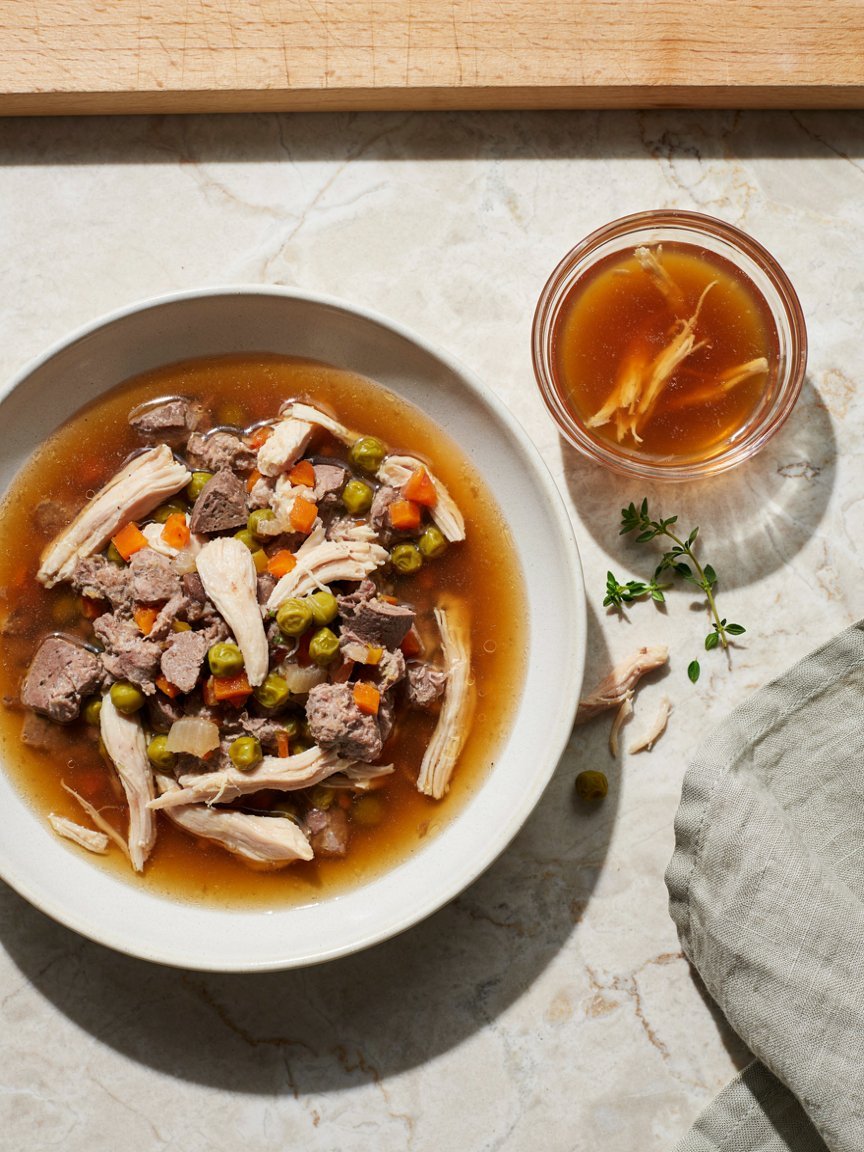
Beginner-Friendly Homemade Cat Gravy Recipes
Ingredients
Equipment
Method
- Pour the chicken broth into a small saucepan and warm gently over low heat.
- Sprinkle the gelatin powder over the warm broth.
- Stir continuously until the gelatin has completely dissolved.
- Add the shredded chicken and stir until evenly distributed.
- Remove from the heat and allow the gravy to cool to a safe serving temperature.
- Spoon a small amount over your cat’s regular food and serve.
- Always use chicken broth that contains no onion, garlic, or added seasonings. Avoid heavily salted broths and products containing ingredients that are unsafe for cats.
- This gravy is intended as a topper or occasional treat, not as a complete and balanced cat food.
- For cats with persistent appetite changes or veterinarian prescribed diets, check with your veterinarian before introducing new foods.
Final Thoughts
Good cat gravy does not need to be complicated. A simple broth, a bit of cooked protein, and a few minutes on the stove are enough to put together something your cat will likely find far more appealing than anything from a can.
Start with the base recipe, get a feel for the consistency your cat prefers, and branch out into a fish based or egg based version once you know what works.
Keep portions modest, store it properly, and let it do what it does best, turning an ordinary bowl of food into something your cat actually looks forward to.