
Watermelon Pupsicles {Frozen Dog Treats}
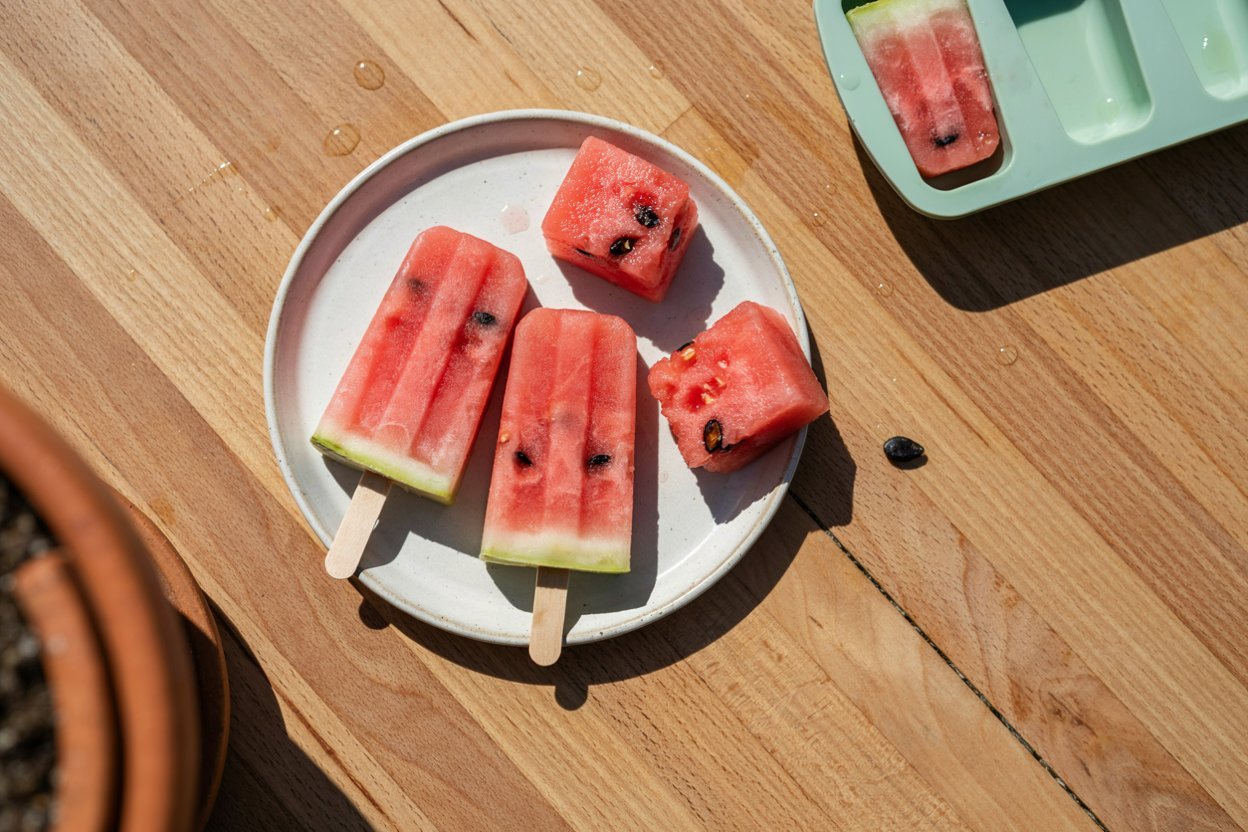
There’s a specific kind of chaos that happens the moment a dog realizes something cold just came out of the freezer for them.
The confused sniff, the cautious first lick, and then the full commitment, paws planted, tail going, determined to finish it before it melts.
On a hot day, that little scene might be doing your dog more good than you’d expect.
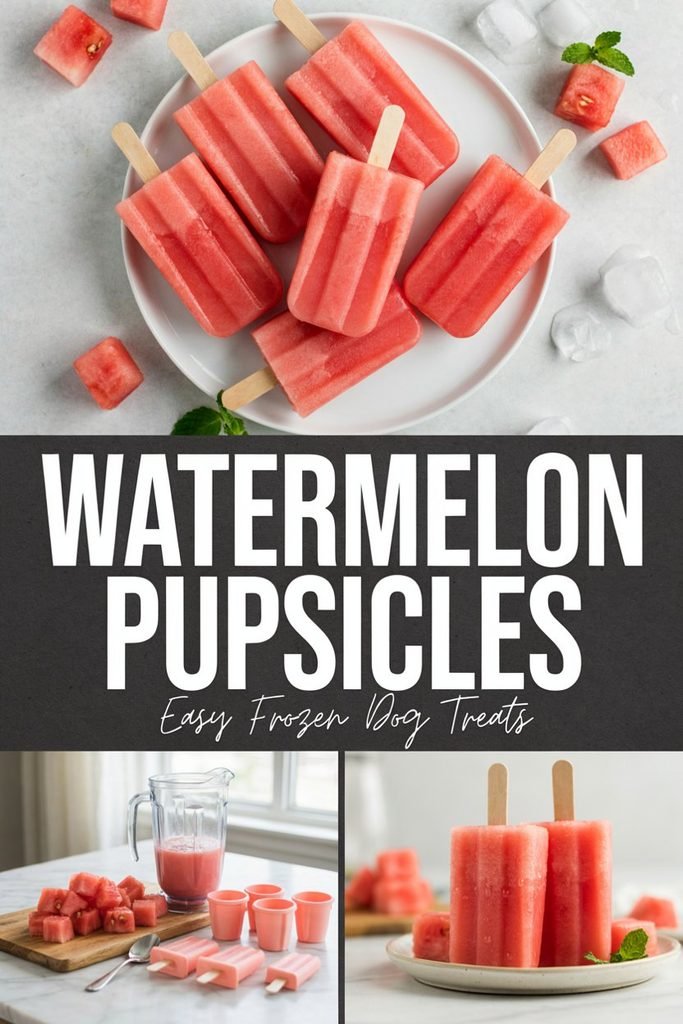
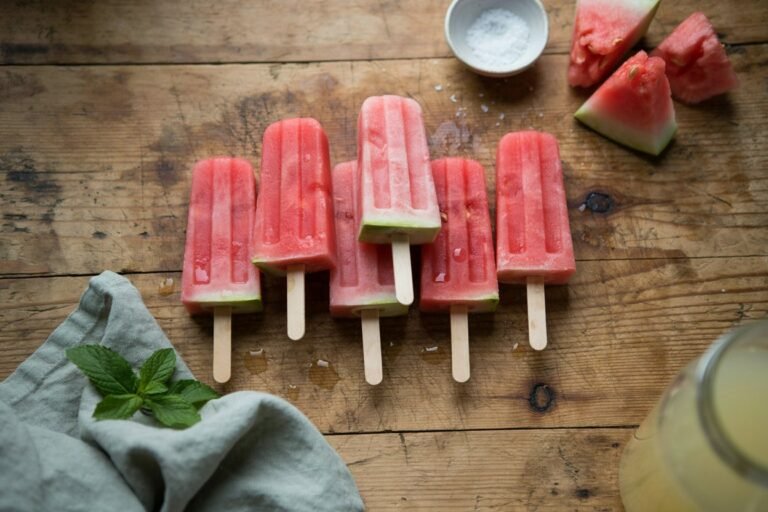
This post focuses on one simple recipe, watermelon pupsicles, the frozen treat I make most often once summer temperatures show up.
It takes just a few minutes of hands on time, uses two ingredients most people already have, and gives dogs a genuinely refreshing, hydrating way to cool down.
If you want a bigger frozen treat rotation to build from afterward, my full vet friendly frozen dog treat recipes guide has ten more variations worth trying.
Why Watermelon Pupsicles Work So Well in Hot Weather
Dogs cool down almost entirely through panting, since they don’t sweat the way people do, which makes hydration a much bigger deal for them during warm months.
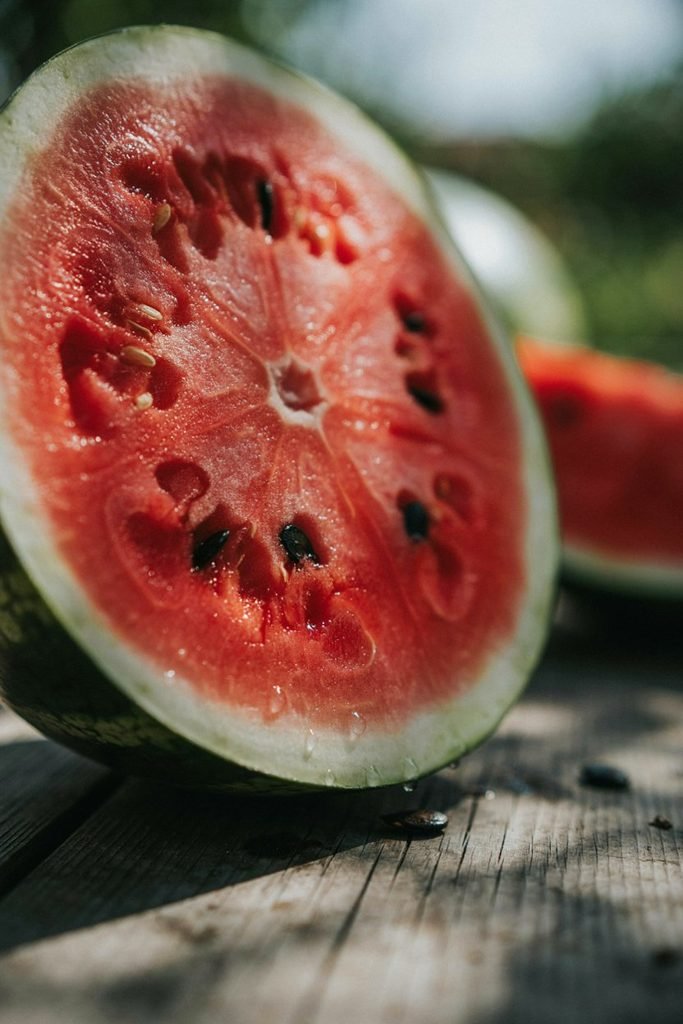
Watermelon is over 90 percent water, which makes it one of the best fruits for supporting hydration in a treat form, especially for a dog who isn’t always eager to drink extra water on a hot day.
A frozen treat also gives dogs a slower, more engaging way to enjoy a snack. Instead of something that disappears in one bite, a pupsicle takes several minutes to work through, which doubles as a nice bit of mental stimulation on a day when a long walk isn’t the safest option.
If you’re building out a full summer feeding routine, my healthy homemade dog meals guide pairs well with this as a lighter, cooling addition alongside regular meals.
Ingredients You’ll Need
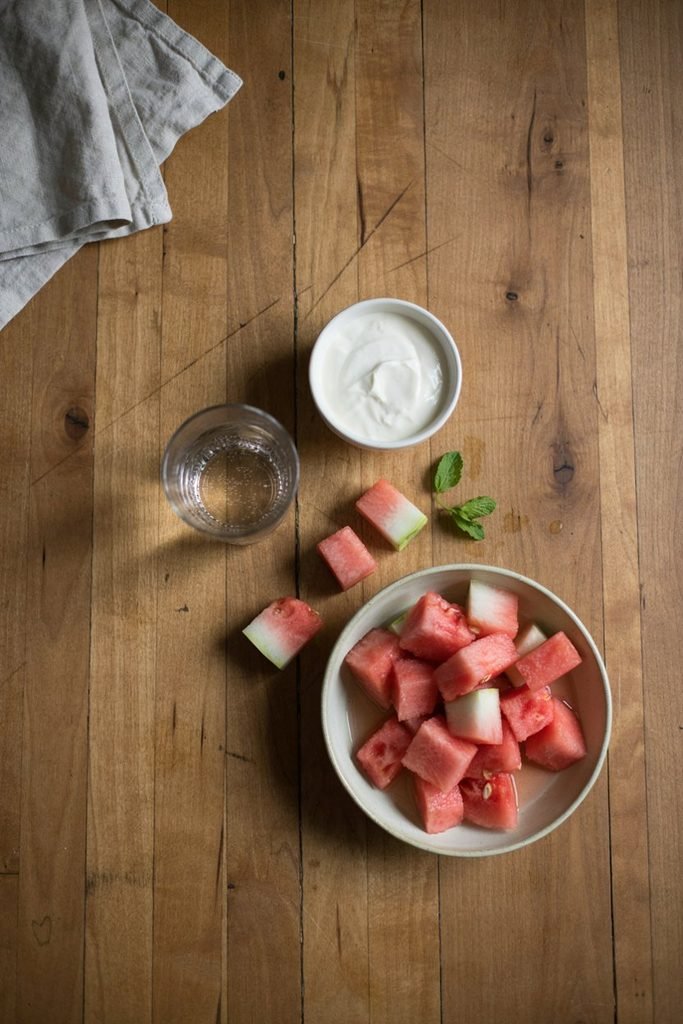
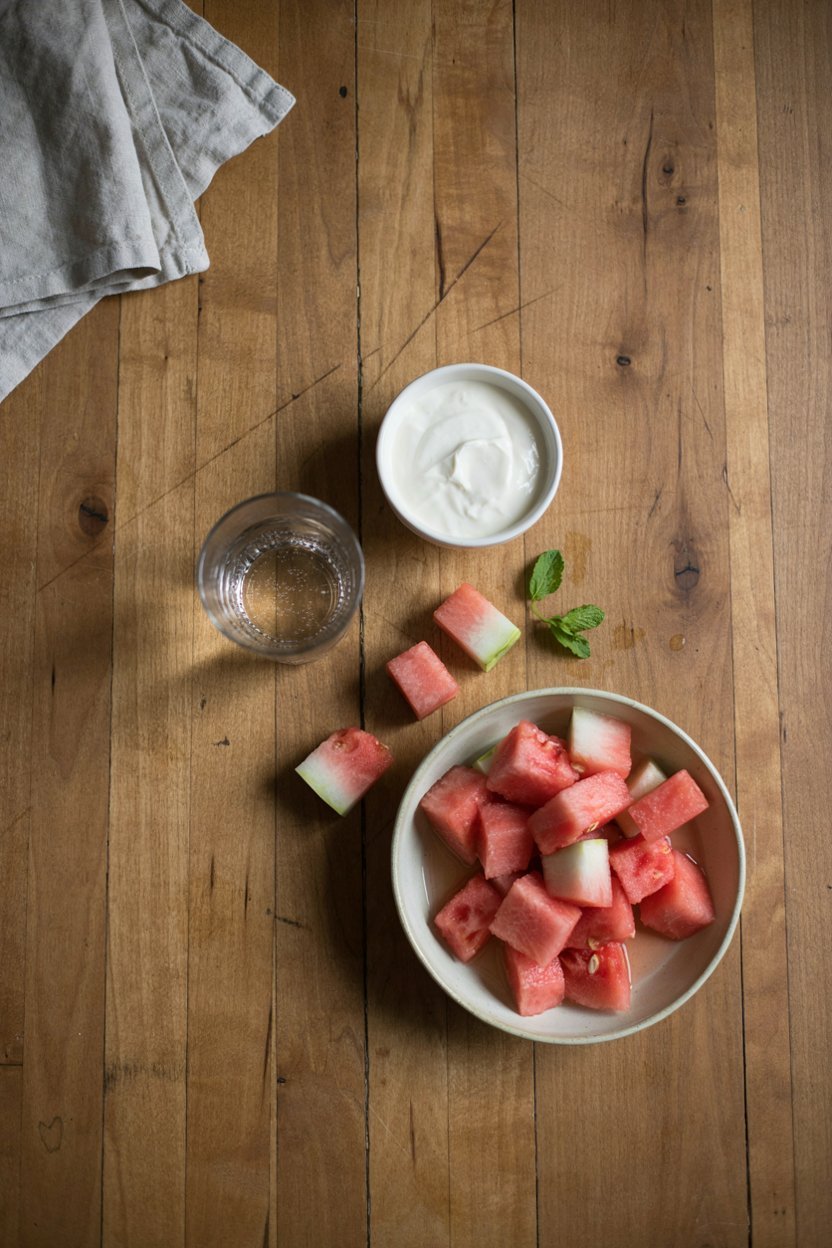
3 cups seedless watermelon, cut into chunks 1/2 cup plain Greek yogurt, no added sugar or sweeteners 2 tablespoons water, to thin as needed
This recipe stays intentionally simple. Watermelon provides most of the flavor and hydration, while a small amount of plain Greek yogurt adds protein and a bit of creaminess that helps the pupsicles hold together once frozen.
Always double check that any yogurt used is plain and unsweetened, since flavored versions often contain xylitol, an ingredient that is highly toxic to dogs even in small amounts.
How to Make It: Step by Step
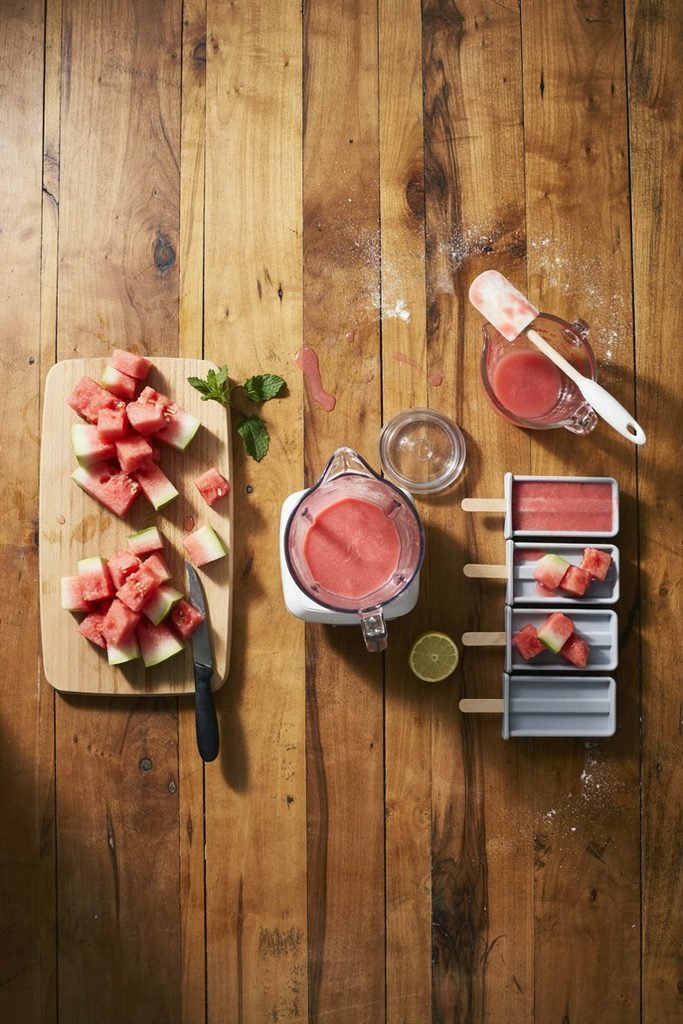
Step 1. Prep the watermelon. Remove any seeds and cut the watermelon into chunks. Set a small handful aside to drop into the molds later for texture.
Step 2. Blend. Add the remaining watermelon and the Greek yogurt to a blender. Blend until smooth, adding a tablespoon or two of water if the mixture feels too thick to pour easily.
Step 3. Fill the molds. Pour the mixture into silicone popsicle molds or an ice cube tray, filling each about three quarters full.
Step 4. Add texture. Drop a few of the reserved watermelon chunks into each mold so every bite has a bit of variety.
Step 5. Freeze. Place the molds in the freezer for at least 4 hours, or until completely solid.
Step 6. Serve. Pop the pupsicles out of the molds and serve outside, since they melt quickly once out of the freezer.
Storage and Feeding Tips
Once frozen, transfer the pupsicles into an airtight freezer safe bag or container to prevent freezer burn.
They will keep well for up to two months. Because they melt fast, it’s usually best to serve these outside or somewhere easy to clean, especially for enthusiastic eaters.
As a general guideline, treats of any kind should make up no more than about 10 percent of a dog’s total daily calories, so one pupsicle is usually plenty for a small or medium dog, with slightly larger or multiple portions fine for bigger breeds.
If your dog is on a specific diet or has a health condition, check with your veterinarian before adding a new treat to their routine.
Easy Ways to Change This Recipe Up
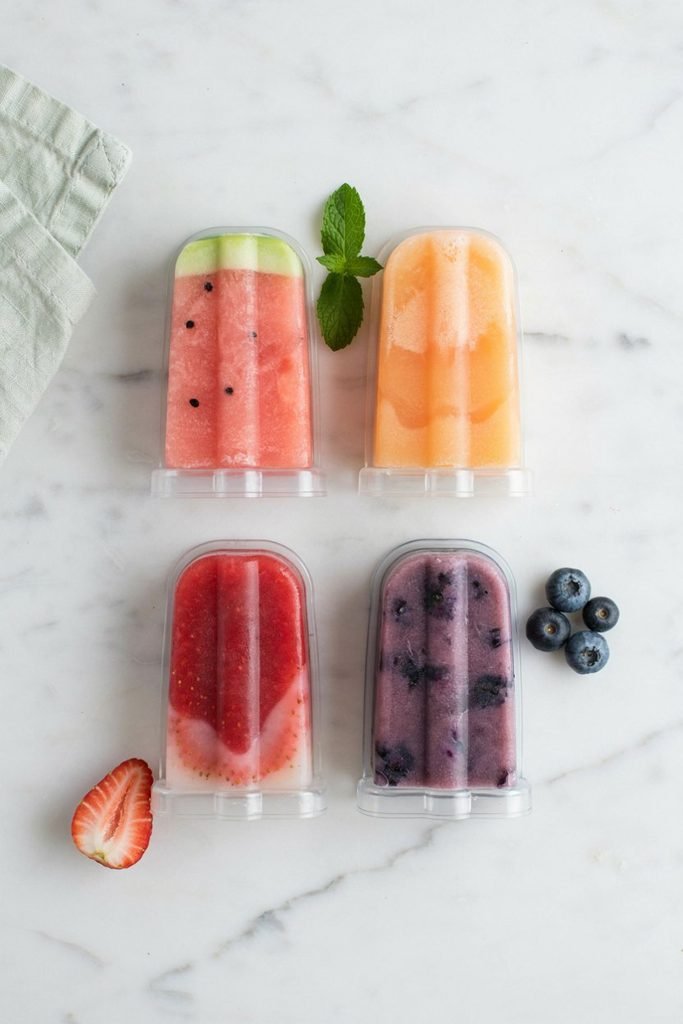
Swap the fruit. Cantaloupe, strawberries, or blueberries all work well in place of watermelon if you want to rotate flavors throughout the summer.
Add a savory twist. A spoonful of unsalted bone broth blended into the mixture adds a flavor some dogs love even more than fruit, and pairs nicely with the ideas in my instant pot turkey dog food recipe if you want to build out a broader homemade rotation.
Pair it with a meal. This works well as a light, cooling side alongside a full homemade dinner, like the ones in my homemade dog food recipes for large dogs guide.
Try a crunchier variation. For dogs who prefer something with more bite instead of frozen, my green bean crunchies for dogs recipe is a good non frozen option to rotate in.
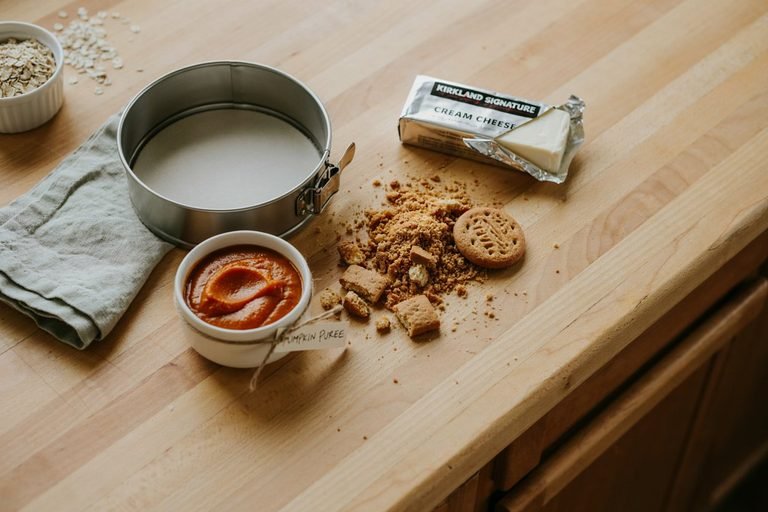
Keep a treat drawer stocked. Round out your homemade treat rotation with my peanut butter and pumpkin dog treats, a great non frozen option for cooler days.
Common Mistakes to Avoid
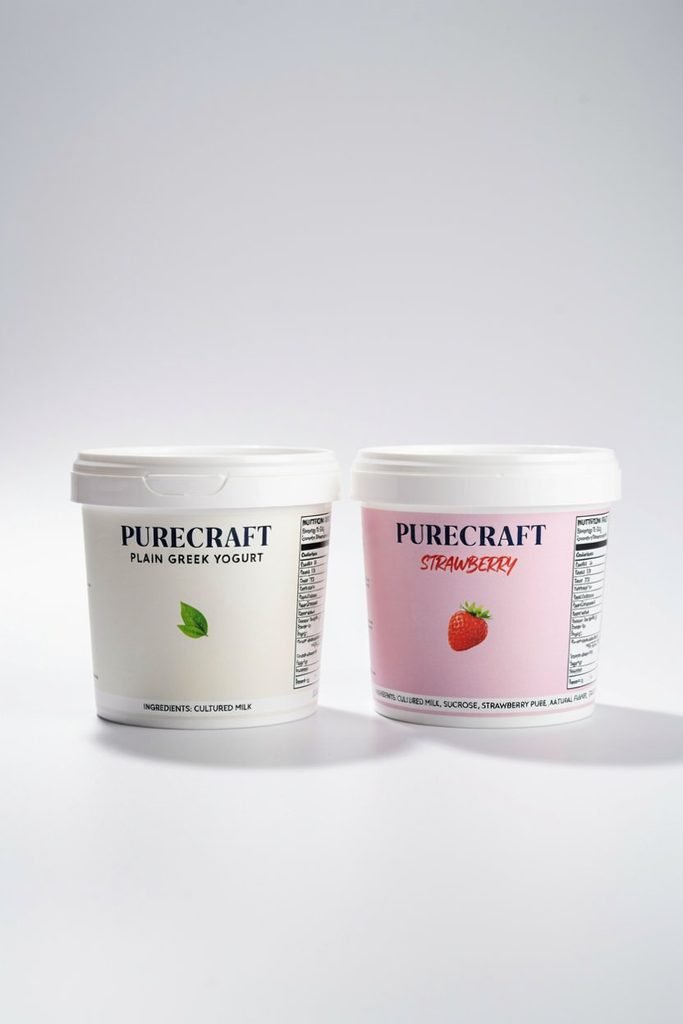
Using flavored or sweetened yogurt. Always choose plain yogurt with no added sugar or artificial sweeteners, since xylitol is extremely toxic to dogs. Leaving seeds in the watermelon. Seeds are a choking hazard and should always be removed before blending.
Serving straight from the freezer to a dog who gulps food quickly. Keep an eye on any dog prone to eating too fast, since a large frozen treat can occasionally cause a brief stomach ache if swallowed too quickly.
Overfilling the molds. Leave a small gap at the top, since the mixture expands slightly as it freezes. Skipping the storage bag. Treats left uncovered in the freezer are prone to freezer burn within a few weeks.
Frequently Asked Questions
Can puppies eat frozen treats? In small amounts, yes, though puppies have more sensitive stomachs, so introduce anything new gradually and in small portions. Check with your vet if your puppy is very young.
Is watermelon safe for all dogs? Most dogs tolerate watermelon well in moderation, but dogs with diabetes or those who need to watch their sugar intake should have it sparingly, since watermelon does contain natural sugars.
Can I use a dairy free yogurt instead? Yes, a plain, unsweetened dairy free yogurt works as a substitute for dogs with a dairy sensitivity, just be sure it contains no xylitol or artificial sweeteners.
My dog doesn’t seem interested, what should I try? Try blending in a small amount of unsalted bone broth for extra aroma, since scent plays a big role in getting a hesitant dog interested in a new treat.
How long do these last in the freezer? Up to two months when stored in an airtight container or freezer safe bag.
Watermelon Pupsicles Frozen Dog Treats
Ingredients
Equipment
Method
- Remove the rind and any seeds from the watermelon, then cut it into small cubes.
- Add the watermelon and plain Greek yogurt to a blender.
- Blend until smooth and creamy.
- Pour the mixture into small silicone popsicle molds, leaving a little room at the top.
- Insert the sticks or handles if your molds require them.
- Freeze for at least 4 hours, or until the pupsicles are completely firm.
- Remove one pupsicle from the mold and allow it to soften slightly before serving.
- Use seedless watermelon with the rind completely removed. Watermelon should only be given in moderation because it contains natural sugar.
- Choose plain, unsweetened Greek yogurt without xylitol or other added sweeteners.
- These pupsicles are an occasional treat and should not replace your dog’s regular complete and balanced food.
- For smaller dogs, make mini pupsicles so the portion is easier to manage.
Final Thoughts
A simple frozen treat like this one is an easy way to help your dog stay cool and hydrated once the weather heats up, without needing anything more complicated than a blender and a mold.
Start with this watermelon version, watch how your dog responds, and use it as a jumping off point into the other frozen and homemade recipes linked throughout this post.

5 Comments