Easy Cat Wet Food Recipes You Can Make at Home
There’s a very specific kind of disappointment that happens when you set down a fresh bowl of cat food and your cat gives it one sniff, looks up at you like you’ve personally wronged them, and walks away.
If you’ve lived through that moment more than once, you already know why so many of us end up experimenting in the kitchen.
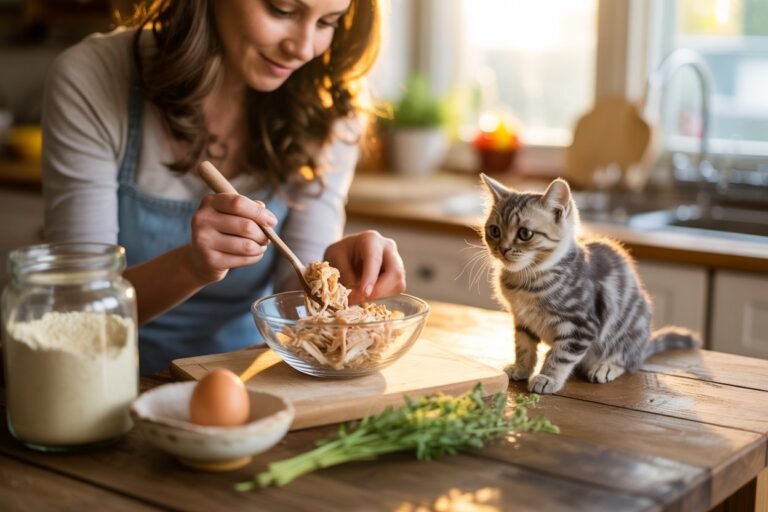
This is the recipe I come back to more than any other. It’s a simple chicken and pumpkin wet food pâté — soft, moist, mild enough for picky eaters, and made with ingredients that are already sitting in most kitchens.
I originally started making it as a topper for kibble, and within a few weeks it had quietly become my cats’ actual dinner.
If you want a bigger menu to rotate through, my homemade cat food recipes roundup and my full homemade wet cat food recipes guide both go much deeper. But if you only want to make one thing today and see how your cat reacts, this is the one I’d point you to.
Disclaimer
This post may contain affiliate links. As an Amazon Associate, I earn from qualifying purchases at no additional cost to you. The information in this article is for educational and informational purposes only. I only recommend products that I believe are relevant to this topic. Homemade cat food should meet your cat’s nutritional needs. Consult your veterinarian before making significant changes to your cat’s diet, especially for kittens, senior cats, or cats with medical conditions.
Amazon Shopping List You Need
- Cat Food Recipe Book
- Stainless Steel Food Processor
- Digital Kitchen Food Scale
- Glass Meal Prep Food Storage Containers
- Immersion Blender
- Stainless Steel Mixing Bowls Set
- BPA-Free Silicone Ice Cube Tray for Portioning Cat Food
Why This Recipe Works So Well for Picky Cats
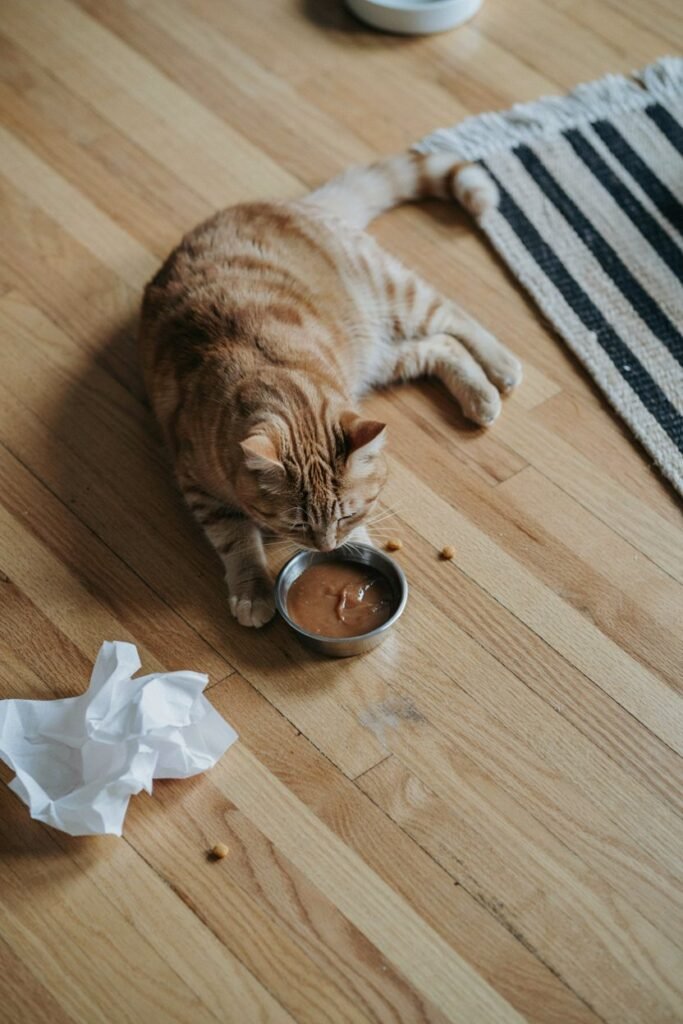
Cats are obligate carnivores with a naturally low thirst drive, which means most of their hydration is supposed to come from their food, not a water bowl. Dry kibble sits around 10% moisture. This pâté sits closer to 75–80%, which is a huge difference for a cat prone to urinary or kidney issues.
It also leans on two things cats respond to instinctively: warmth and smell. Chicken cooked gently in its own broth releases exactly the kind of savory aroma that gets a hesitant cat to actually walk over to the bowl, and pumpkin adds a soft, slightly sweet undertone that also happens to be gentle on digestion.
If your cat is currently a “gravy or nothing” eater, it’s worth pairing this pâté with a spoonful of something saucier — my cat gravy recipes post has four versions that work beautifully drizzled over the top.
Ingredients You’ll Need
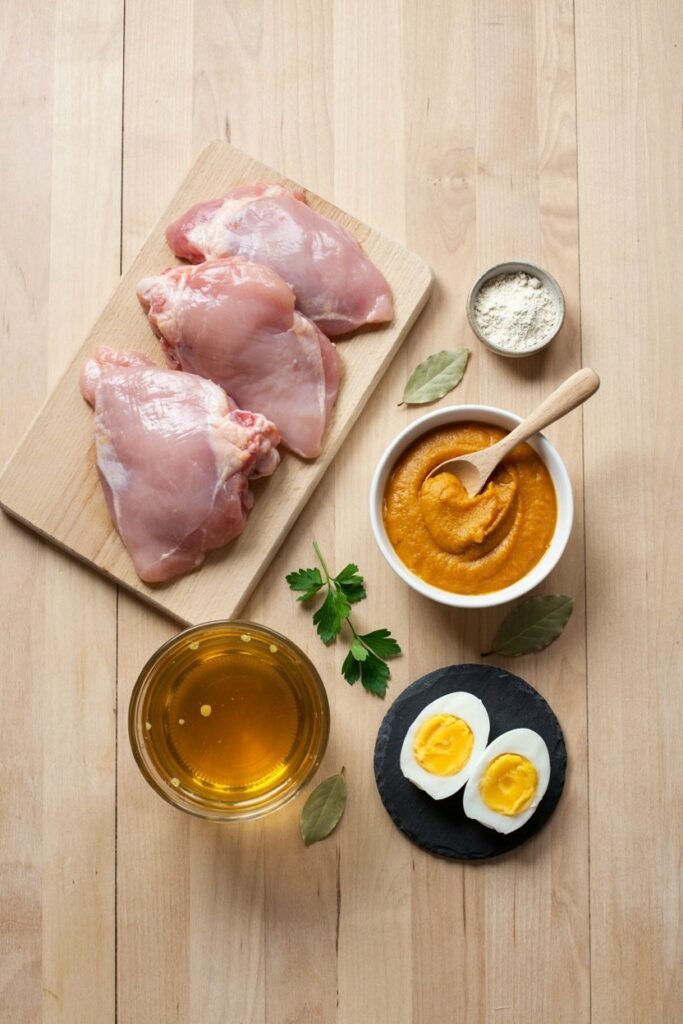
- 1 lb boneless, skinless chicken thighs — thighs stay moist and are easier to blend than lean breast meat
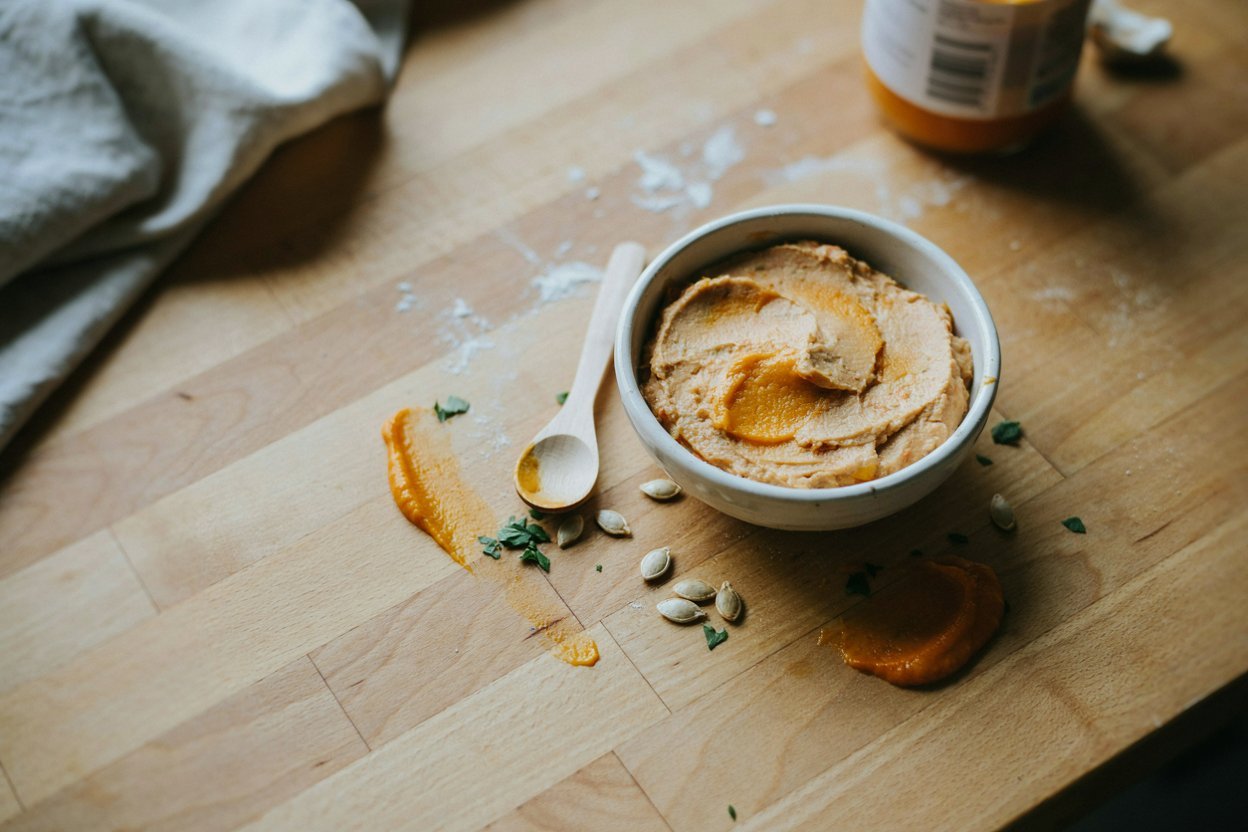
- 1/4 cup plain pumpkin puree (not pumpkin pie filling) — adds fiber and a gentle, digestible texture
- 1 cup low-sodium chicken broth, no onion or garlic — the base of the pâté’s moisture
- 1 fully cooked egg — adds protein and helps bind the texture
- 1/4 teaspoon ground eggshell, finely powdered — a simple calcium source for regular feeding
Muscle meat alone is naturally low in calcium relative to what a cat needs, so don’t skip the eggshell if this will be a regular part of the rotation rather than an occasional treat.
How to Make It: Step-by-Step
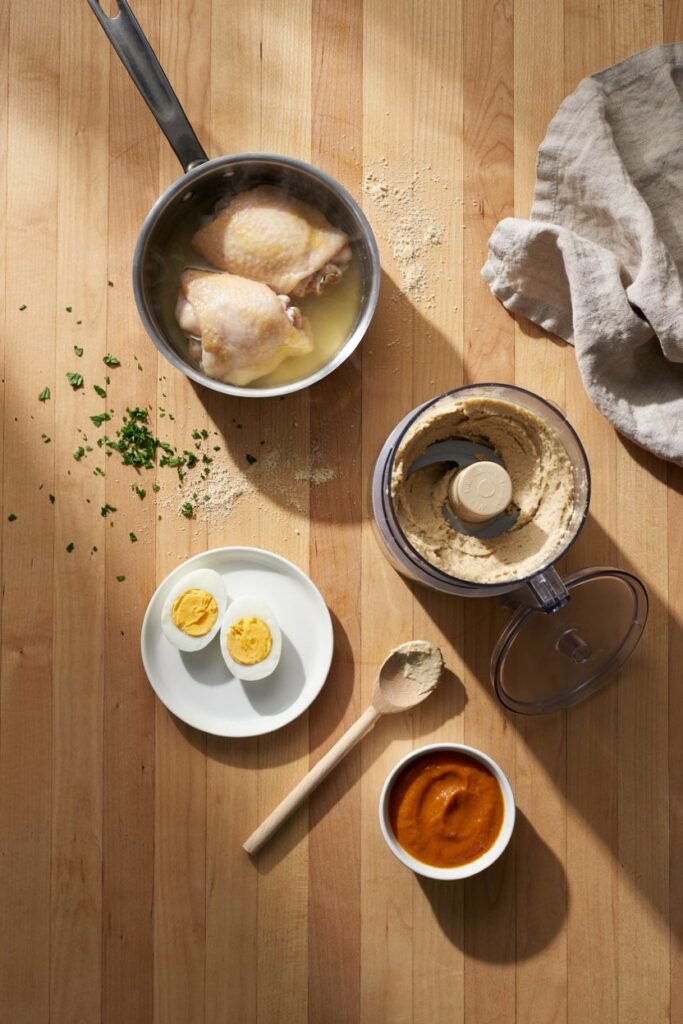
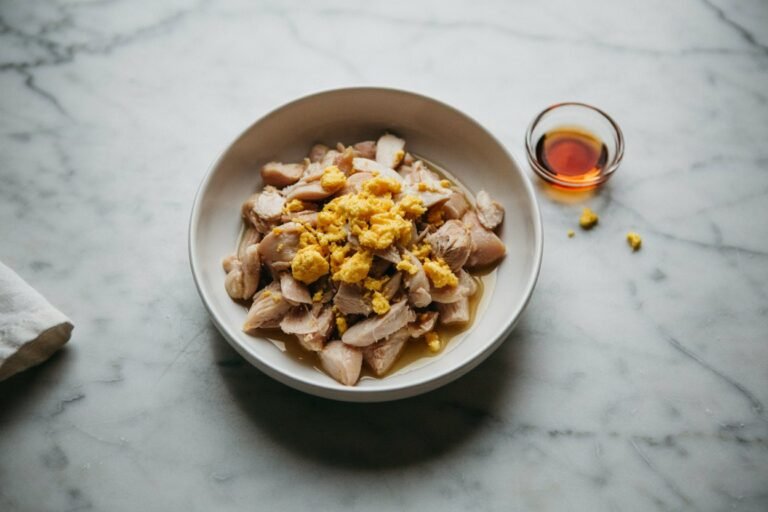
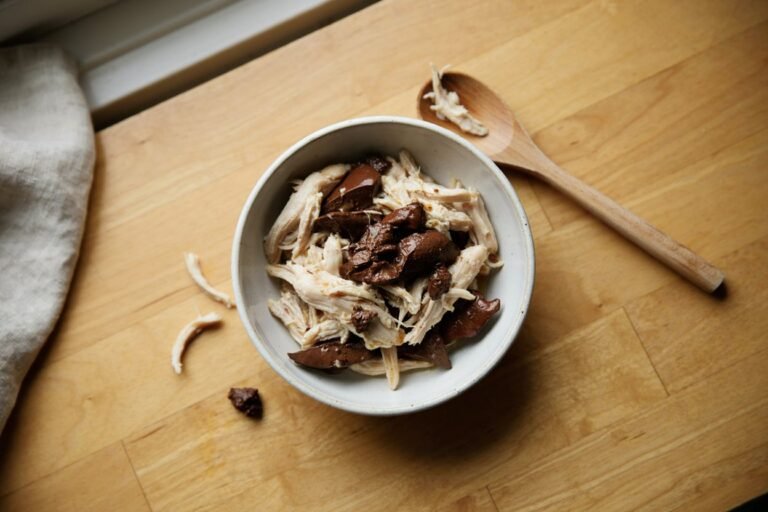
1. Poach the chicken. Add the chicken thighs to a saucepan with the broth. Bring to a gentle simmer and cook until fully cooked through, about 15–18 minutes. Reserve the poaching liquid — you’ll need it.
2. Shred or chop. Once cool enough to handle, shred the chicken with two forks or roughly chop it, depending on the texture your cat prefers.
3. Blend. Add the chicken, pumpkin puree, hard-cooked egg, and about half of the reserved broth to a food processor. Blend until smooth, adding more broth a little at a time until you reach a soft, spoonable pâté consistency.
4. Add calcium. Stir in the ground eggshell once the mixture has cooled slightly.
5. Cool and portion. Let the pâté come down to room temperature, then divide it into single-meal portions.
6. Serve or store. Serve immediately, or refrigerate and freeze the rest for later.
For cats who like a chunkier bite instead of a smooth pâté, skip the blender and simply shred the chicken by hand and stir the rest of the ingredients in — it works either way.
Storage & Feeding Tips
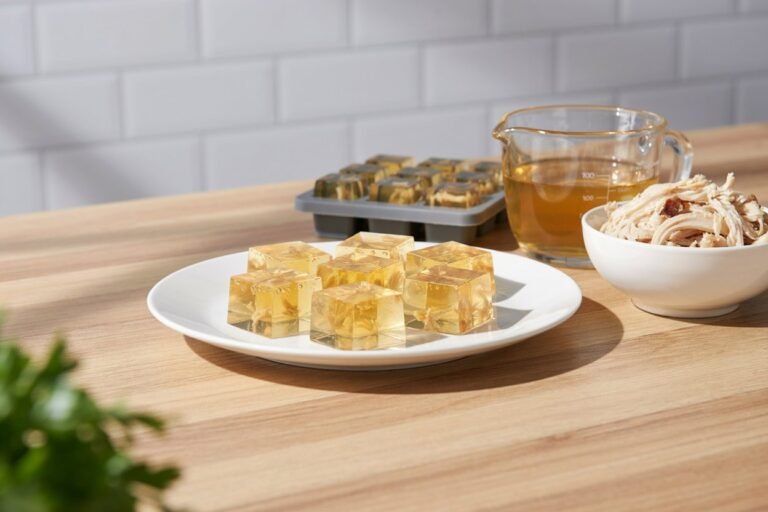
Refrigerate for up to three days, or freeze individual portions in a silicone tray for up to two months.
Thaw overnight in the fridge and always warm gently before serving — cats respond far more to food that’s closer to room temperature than food straight from the fridge.
As a general starting point, most adult cats need about 24–35 calories per pound of body weight per day, split across two to four smaller meals.
If your cat is older, has a reduced appetite, or has any diagnosed health condition, my homemade cat food for senior cats guide has portioning notes worth reading before making this a daily meal.
Easy Swaps to Keep Things Interesting
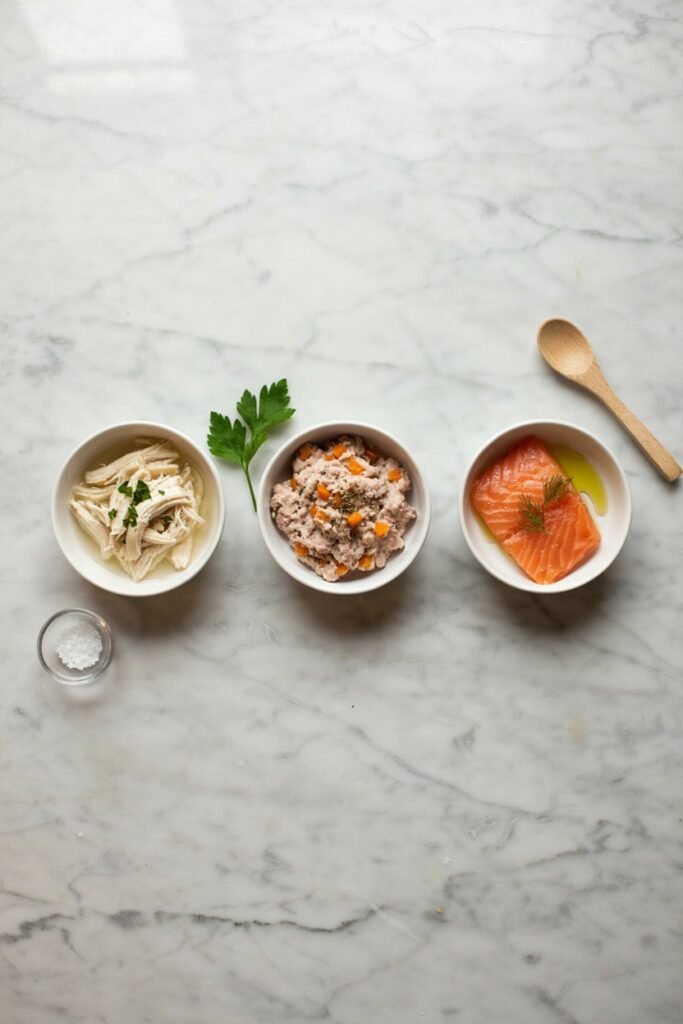
One of the best things about a base recipe like this is how easy it is to rotate:
- Swap the protein. Ground turkey works beautifully in place of chicken — see my ground turkey cat food recipe if you want a turkey-first version with its own ingredient ratios.
- Swap the aroma. For a stronger-smelling option that tends to win over the most stubborn eaters, try a salmon or sardine base instead — my easy fish meals for cats post has a few good starting points.
- Add more moisture. If your cat needs extra hydration support, thin this pâté out further with additional broth, or serve it alongside something from my beginner cat soup recipes for hydration guide.
Common Mistakes to Avoid
- Skipping the calcium source. Muscle meat alone isn’t enough for a recipe fed regularly.
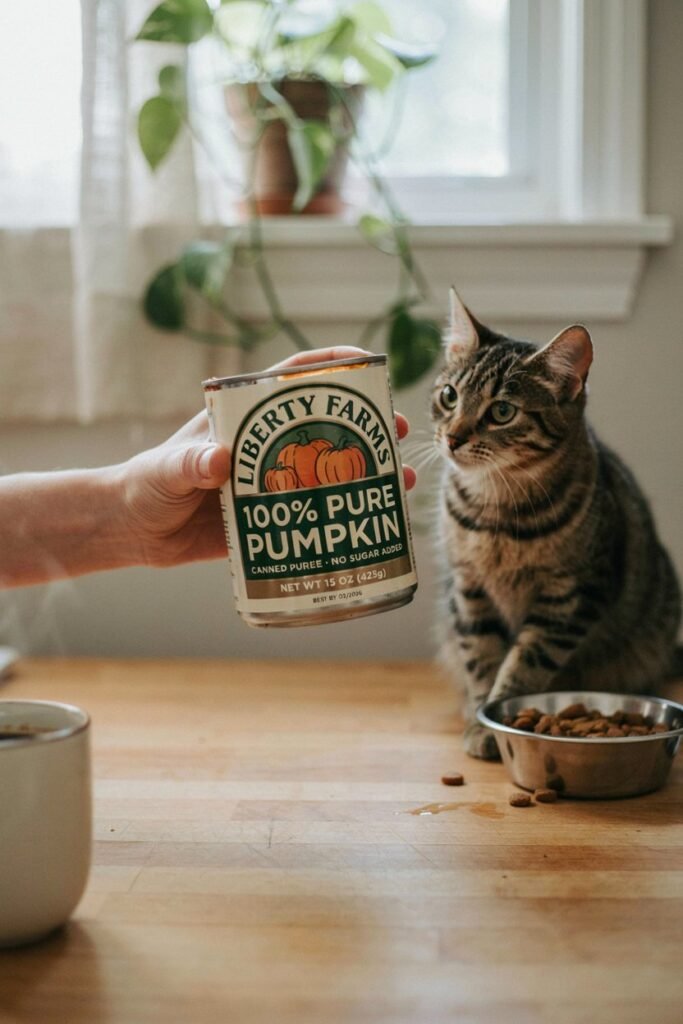
- Using pumpkin pie filling instead of plain puree. Pie filling contains added sugar and spices that aren’t appropriate for cats.
- Serving it cold. A cold pâté is far less aromatic and far less likely to get eaten.
- Switching too fast. Introduce this gradually alongside your cat’s current food over one to two weeks.
- Using onion or garlic in the broth. Both are toxic to cats — always double-check store-bought broth labels.
Frequently Asked Questions
Can I use canned pumpkin from the pie aisle? Only if it’s 100% pure pumpkin puree with no added sugar or spices. Pumpkin pie filling is not safe for cats.
Is this recipe nutritionally complete on its own? It’s a great topper or occasional meal. For long-term daily feeding, work with your veterinarian to confirm the balance of taurine, calcium, and other nutrients meets your cat’s needs.
My cat still isn’t interested — what now? Try warming the portion slightly more, or blend in a spoonful of the poaching broth right before serving to boost the aroma. A stronger-smelling swap, like the fish options linked above, can also help with especially picky eaters.
Can kittens eat this? Kittens have more intensive nutritional needs than adult cats. Talk to your vet about appropriate portions and any adjustments before feeding this to a kitten.
Final Thoughts
You don’t need a complicated recipe rotation to make a real difference in your cat’s mealtime.
One good, moisture-rich pâté made with ingredients you trust is often enough to turn a picky eater into an enthusiastic one.
Start here, watch how your cat responds, and use it as your jumping-off point into the rest of the recipes linked throughout this post.