
Weight Gain Meals for Skinny Cats
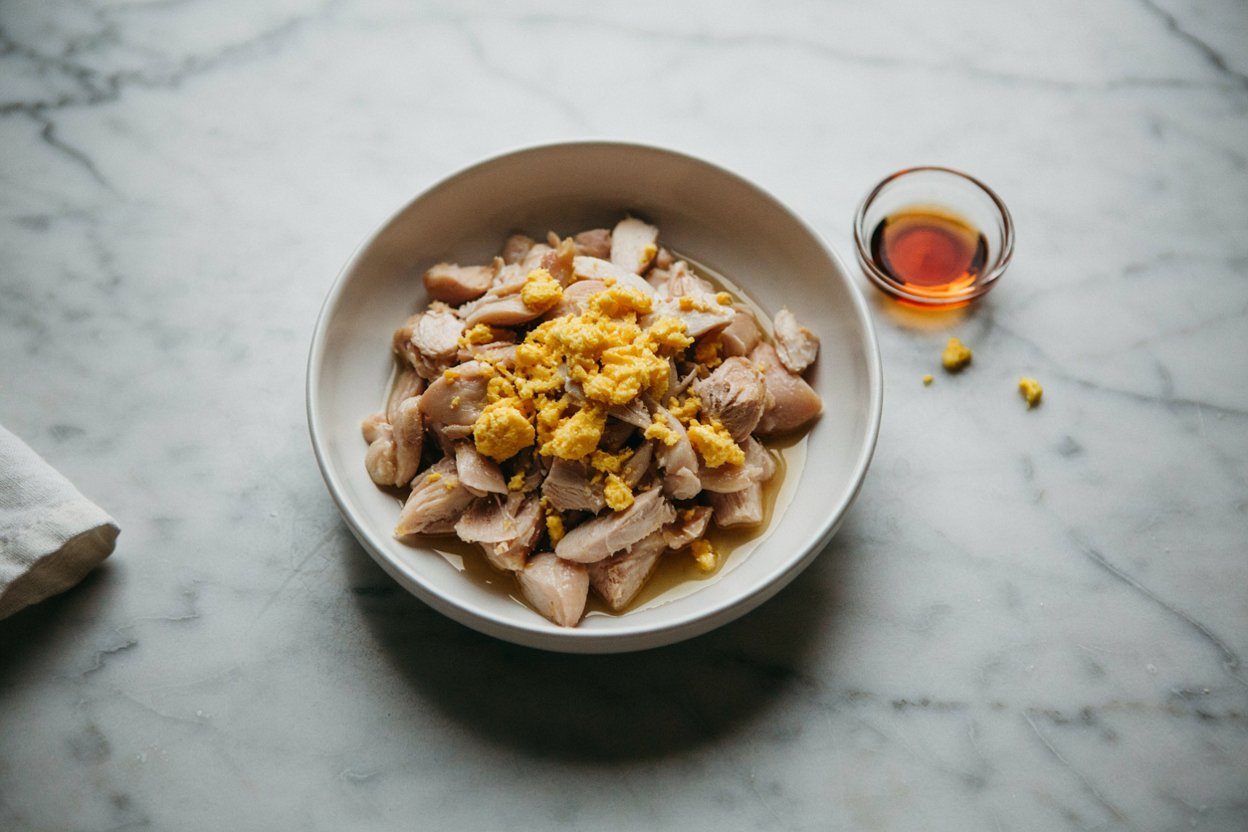
Watching a cat lose weight or stay noticeably thin despite eating regularly is one of the more worrying things a pet owner can experience.
Before trying to add calories at home, it is worth saying clearly up front that unexplained or ongoing weight loss in a cat is very often a sign of an underlying medical condition, so a veterinary visit should always come first, not after a few weeks of trying a new recipe.
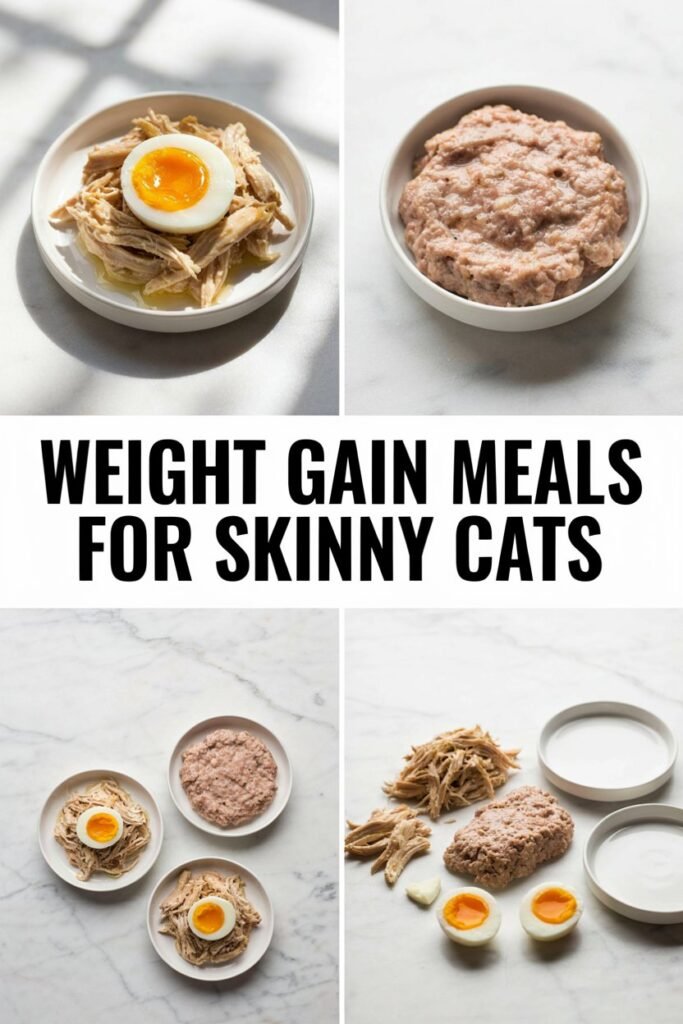
Once your veterinarian has confirmed your cat is healthy enough for a calorie dense diet, this recipe offers a simple, protein and fat rich meal designed to help a genuinely underweight cat gain weight gradually and safely.
If your cat also needs a bit of extra encouragement at mealtime, our guide to healthy homemade cat gravy toppers for picky eaters pairs nicely with a weight gain plan.
Disclaimer: This post may contain affiliate links, which means I may earn a small commission at no extra cost to you. Always consult your veterinarian before starting weight gain plans or changing your cat’s diet.
Amazon Shopping List You Need
- High-Calorie Wet Cat Food Variety Pack
- Cat Nutritional Gel Supplement for Weight Gain
- Freeze-Dried Chicken Cat Treats (High Protein)
- Stainless Steel Cat Food Bowls
- Digital Kitchen Food Scale
- Automatic Cat Feeder for Frequent Meals
- Cat Multivitamin Supplement Powder
Why This Recipe Works for Weight Gain
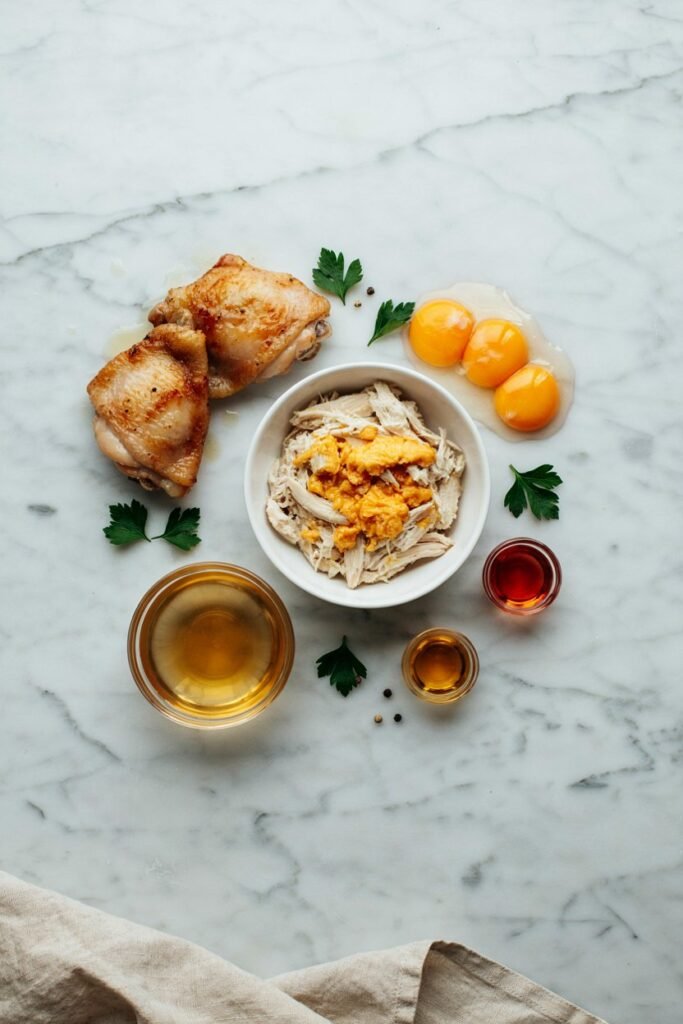
Helping a cat gain weight safely comes down to increasing calorie density without overwhelming a smaller appetite, which is exactly what this recipe is built around.
Chicken thighs with the skin left on provide considerably more fat and calories per bite than lean chicken breast, while still offering the high quality animal protein cats need.
Egg yolks add a concentrated source of healthy fat and calories in a very small, easy to eat volume, which matters for cats who may only be willing to eat small amounts at a time.
A touch of salmon oil rounds out the recipe with additional calories along with omega 3 fatty acids that support skin, coat, and overall wellbeing during the recovery process.
Because appetite can be inconsistent in an underweight cat, this recipe favors small, calorie dense portions over large volumes, since a cat is far more likely to finish a small, rich meal than a large, diluted one.
If you want to explore more nutrient dense ingredients that support recovery and overall health, our guide to superfoods for cats is a helpful companion read.
Recipe at a Glance
Prep time: about 10 minutes Cook time: 15 minutes Total time: about 25 minutes Ingredients: four Difficulty: beginner friendly Approximate yield: about 2 cups, several small meals Storage: refrigerator or freezer Best for: healthy cats who are underweight, following veterinary guidance
Ingredients and Substitutions
Ingredients

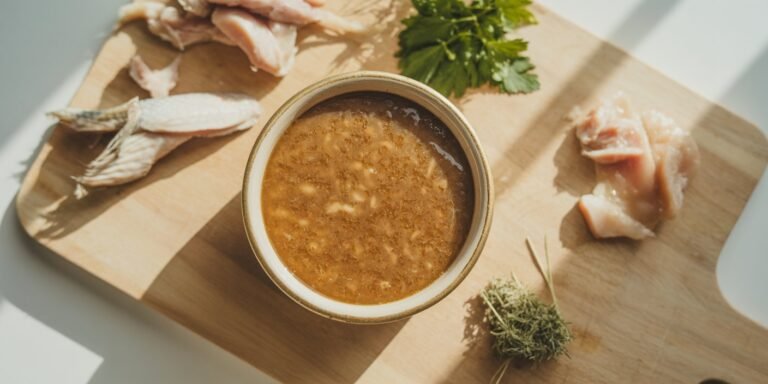
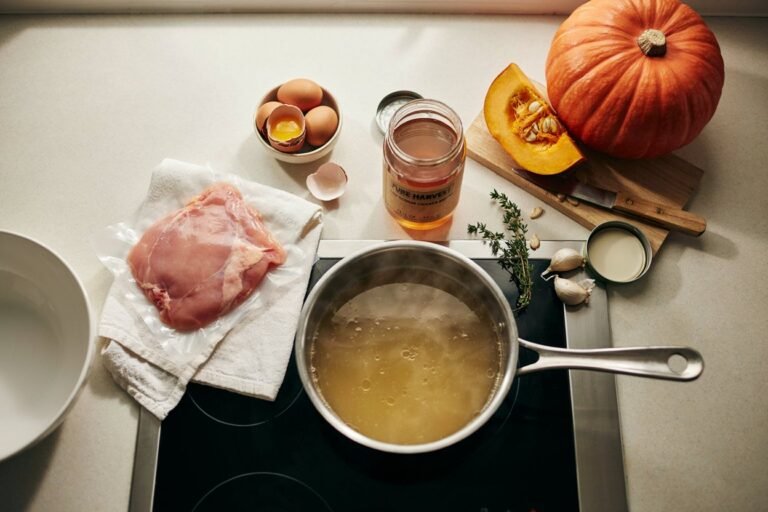
Boneless chicken thighs with skin, cooked and finely chopped, 1 pound Fully cooked egg yolks, 2 Low sodium chicken broth, onion and garlic free, a quarter cup Salmon oil, 1 teaspoon
Keeping the skin on the chicken thighs is intentional here, since it significantly increases the calorie and fat content of the finished meal compared to skinless chicken breast, which is typically used in leaner recipes.
If your cat has a known fat sensitivity, this recipe may need to be adjusted with your veterinarian’s guidance before use.
As always, choose a broth that is completely free of onion, garlic, and added salt. Salmon oil specifically formulated for pets is preferable to human grade fish oil, since it is dosed appropriately and free of added flavoring.
How to Prepare the Meal

Before jumping into the steps, a couple of quick decisions will shape how well this recipe works for your specific cat.
Chopped fine or slightly chunky? A finely chopped texture tends to be easier for a cat with a reduced appetite to eat quickly, while a slightly chunkier texture can work well for cats who prefer something closer to a normal meal texture.
Served warm or at room temperature? Warming the finished meal slightly before serving tends to make it more aromatic and appealing, which can matter significantly for a cat with a smaller appetite who needs extra encouragement to eat.
Step by Step Instructions

Step 1: Cook and Chop the Chicken
Cook the chicken thighs thoroughly until fully done. If you are intentionally using the skin for additional calories, make sure the chicken is cooked completely before removing any bones. Let it cool slightly, then chop the meat finely into small, easy to eat pieces.
Step 2: Prepare the Egg Yolks
Cook the egg yolks completely, without salt, butter, oil, or seasoning. Once cooled enough to handle, chop them finely so they mix evenly throughout the meal.
Step 3: Combine With Broth
Place the chopped chicken and egg yolks in a bowl. Gradually add the broth and stir until you reach a moist, soft consistency that is easy for your cat to eat.
Step 4: Add the Salmon Oil
Allow the mixture to cool to a safe serving temperature before stirring in the salmon oil. Mixing it in toward the end helps keep the finished meal smooth and flavorful.
Step 5: Serve and Store
Serve a small portion once the food has cooled to a comfortable temperature. Transfer leftovers to an airtight container and refrigerate promptly for up to 3 days.
How to Know It Is Ready
The chicken should be fully cooked through with no pink remaining, and the egg yolks should be completely firm rather than runny.
The finished mixture should hold together in small, moist clumps rather than being dry and crumbly or overly wet.
If the mixture feels too dry, stir in a bit more broth a small amount at a time until it reaches an easy to eat consistency.
Important Cat Safety Information

Is it safe to feed a skinny cat extra fat and calories? Only once a veterinarian has confirmed the underlying cause of the weight loss and cleared your cat for a calorie dense diet.
Weight loss in cats can result from conditions such as hyperthyroidism, dental disease, parasites, kidney disease, or diabetes, and adding calories without addressing the underlying cause can delay proper treatment.
A few additional safety points worth keeping in mind. Introduce this recipe gradually alongside your cat’s current food rather than switching all at once.
Watch for any digestive upset, since a sudden increase in fat can be hard on a sensitive stomach.
Cats recovering from illness or with specific health conditions may need a very different calorie and nutrient profile than this general recipe provides, so close veterinary guidance matters throughout the process, not just at the start.
How Much Should a Skinny Cat Eat
There is no single amount that fits every cat, since the right portion depends on your cat’s current weight, target weight, and any underlying health condition your veterinarian is managing.
As a general starting point, offering several small meals throughout the day tends to work better than one or two large meals, since a reduced appetite often responds better to frequent, smaller portions.
Your veterinarian can help you calculate a more precise daily calorie target based on your cat’s specific situation.
If you are looking to build a broader recovery focused meal rotation, our roundup of homemade wet cat food recipes offers several additional options built around moisture and palatability.
Storage Instructions
This meal should be stored in the refrigerator in an airtight container and used within about three days for best quality and safety.
For longer storage, portion the mixture into small containers and freeze for up to two months.
Thaw frozen portions in the refrigerator overnight rather than at room temperature, and always warm a portion gently before serving, since cats generally find warm food more appealing than food served cold.
Troubleshooting
Why is my cat not interested in this meal? A reduced appetite is common in underweight cats and can have many causes.
Try warming the portion slightly to increase its aroma, or offer a very small amount alongside your cat’s usual food rather than as a full replacement at first.
Why does the mixture seem greasy? This is generally expected given the fat content from the chicken skin and egg yolk, both of which are intentional here for calorie density.
If it seems excessive, your veterinarian can help you adjust the ratio for your cat’s specific needs.
Why is my cat not gaining weight despite eating this regularly? If weight is not increasing gradually over several weeks, it is important to follow up with your veterinarian, since this may indicate the underlying cause has not been fully addressed or the calorie target needs to be reassessed.
Variations to Try

Once your veterinarian has confirmed this general approach is appropriate, a few variations are easy to explore.
Swap chicken thighs for salmon for a flavor rotation that also adds extra omega 3 fatty acids.
Add a small amount of plain, full fat cottage cheese for cats who tolerate dairy well, for additional calories and protein.
Mix in a small amount of plain pumpkin puree if your cat’s digestion needs extra support alongside the calorie increase.
If you enjoyed how simple this recipe is, our guide to easy chicken based homemade cat recipes follows a similarly straightforward approach and is worth exploring next.
Frequently Asked Questions
Why is my cat so skinny even though they eat normally? There are many possible causes, including hyperthyroidism, dental pain, parasites, kidney disease, and diabetes, which is why a veterinary evaluation should always come before starting a weight gain plan at home.
How long does it take for a cat to gain weight safely? This varies significantly depending on the underlying cause and the individual cat, but gradual weight gain over several weeks, guided by your veterinarian, is generally safer than a rapid increase.
Can kittens use this recipe? Kittens have very different, more intensive nutritional needs than adult cats and should be guided by a veterinarian rather than a general adult focused recipe like this one.
Is chicken skin safe for cats? Cooked, plain chicken skin in moderation is generally considered safe for many cats and is used intentionally here for its calorie density, though your veterinarian can advise if your cat has a specific fat sensitivity.
Can I add supplements to this meal? Only under veterinary guidance, since supplement needs vary significantly depending on the underlying cause of the weight loss and your cat’s overall health status.
How often should I feed this to my cat? This depends on your veterinarian’s specific recommendations, though several small meals throughout the day is a common approach for cats with a reduced appetite.
Is this recipe safe as a long term diet? This recipe is designed as a calorie dense meal to support weight gain under veterinary guidance, not necessarily as a permanent, nutritionally complete diet, so ongoing veterinary input is important for long term feeding.
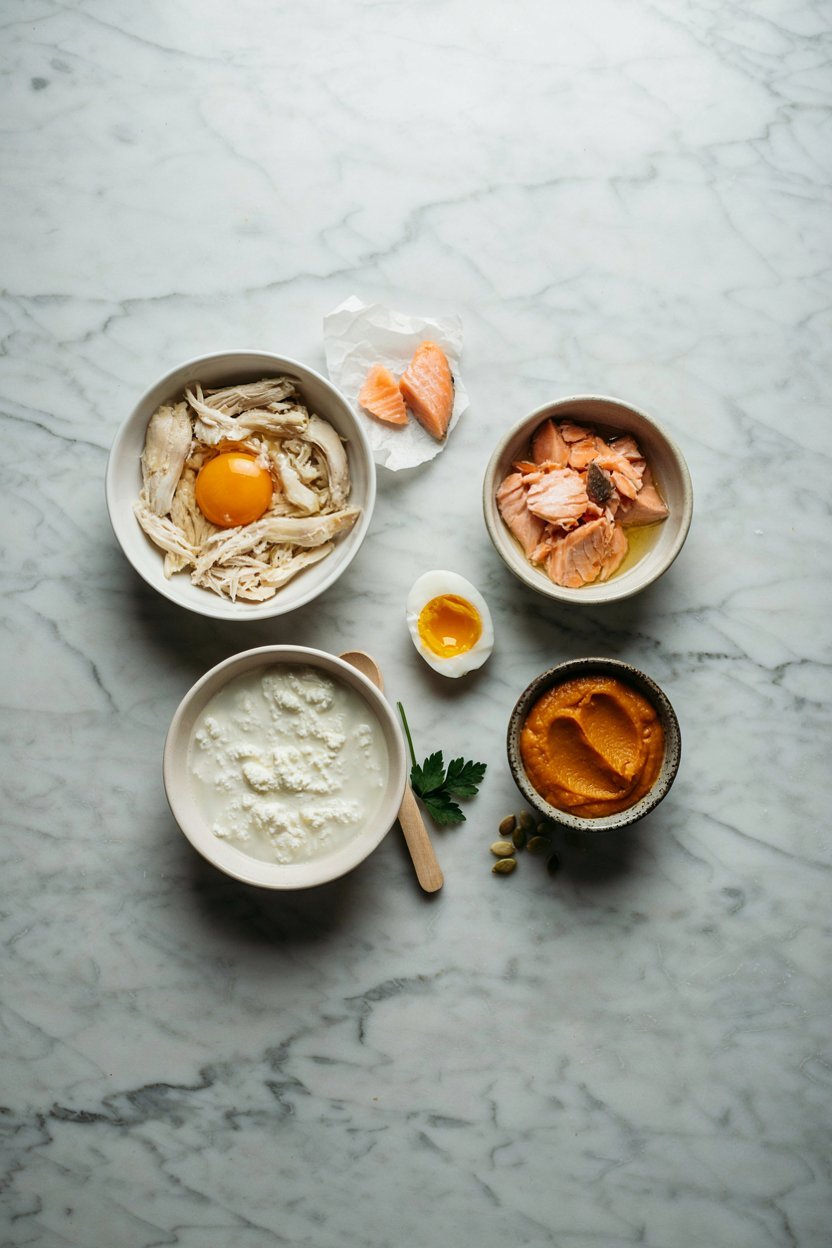
Weight Gain Meal for Skinny Cats
Ingredients
Equipment
Method
- Cook the chicken thighs thoroughly without adding salt, onion, garlic, oil, or seasonings.
- Allow the chicken to cool slightly, then remove any bones, skin, and excess fat before shredding it finely.
- Fully cook the egg yolks and allow them to cool.
- Chop the cooked egg yolks into small pieces.
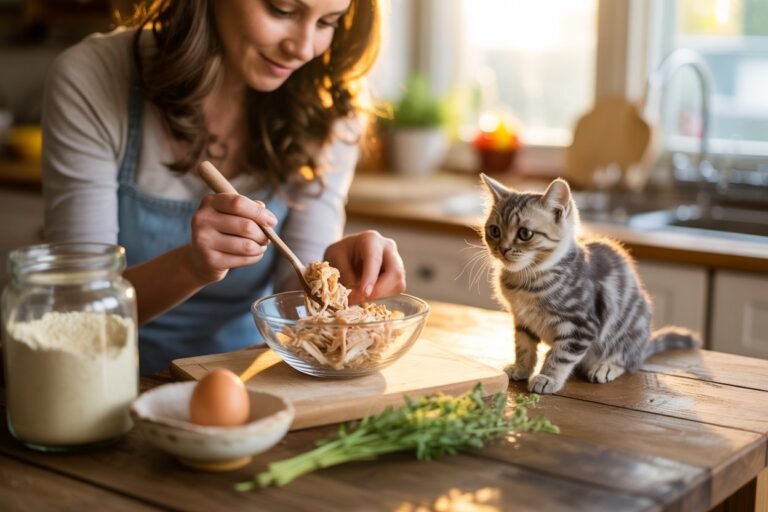
- Add the shredded chicken and chopped egg yolks to a clean mixing bowl.
- Add the chicken broth gradually and gently mix until the food reaches a moist, easy to eat consistency.
- Allow the mixture to cool to a safe serving temperature before offering it to your cat.
- This recipe is intended as a calorie rich topper or occasional homemade meal, not a complete and balanced long term feline diet.
- If your cat is noticeably thin, losing weight despite eating, eating less than usual, vomiting, having diarrhea, or showing other changes in behavior, speak with a veterinarian before trying to manage the weight with homemade food. A cat that needs to gain weight may have an underlying health problem that requires treatment.
- Use only plain, fully cooked ingredients. Never add onion, garlic, salt, seasoning blends, or cooked bones.
Final Thoughts
Helping a skinny cat gain weight safely is rarely about one recipe alone. It starts with understanding why the weight loss happened in the first place, and it continues with small, calorie dense meals that are genuinely appealing enough for a reduced appetite to actually finish.
This chicken and egg yolk meal is designed to be exactly that, simple, rich, and easy to prepare, while your veterinarian guides the bigger picture of your cat’s recovery.
If you want to keep building out a recovery focused meal rotation, our guide to homemade cat food for senior cats and our list of homemade cat treats you can make at home are both worth exploring alongside this recipe.
4 Comments