
Homemade Cat Gravy Recipes Using Chicken Broth
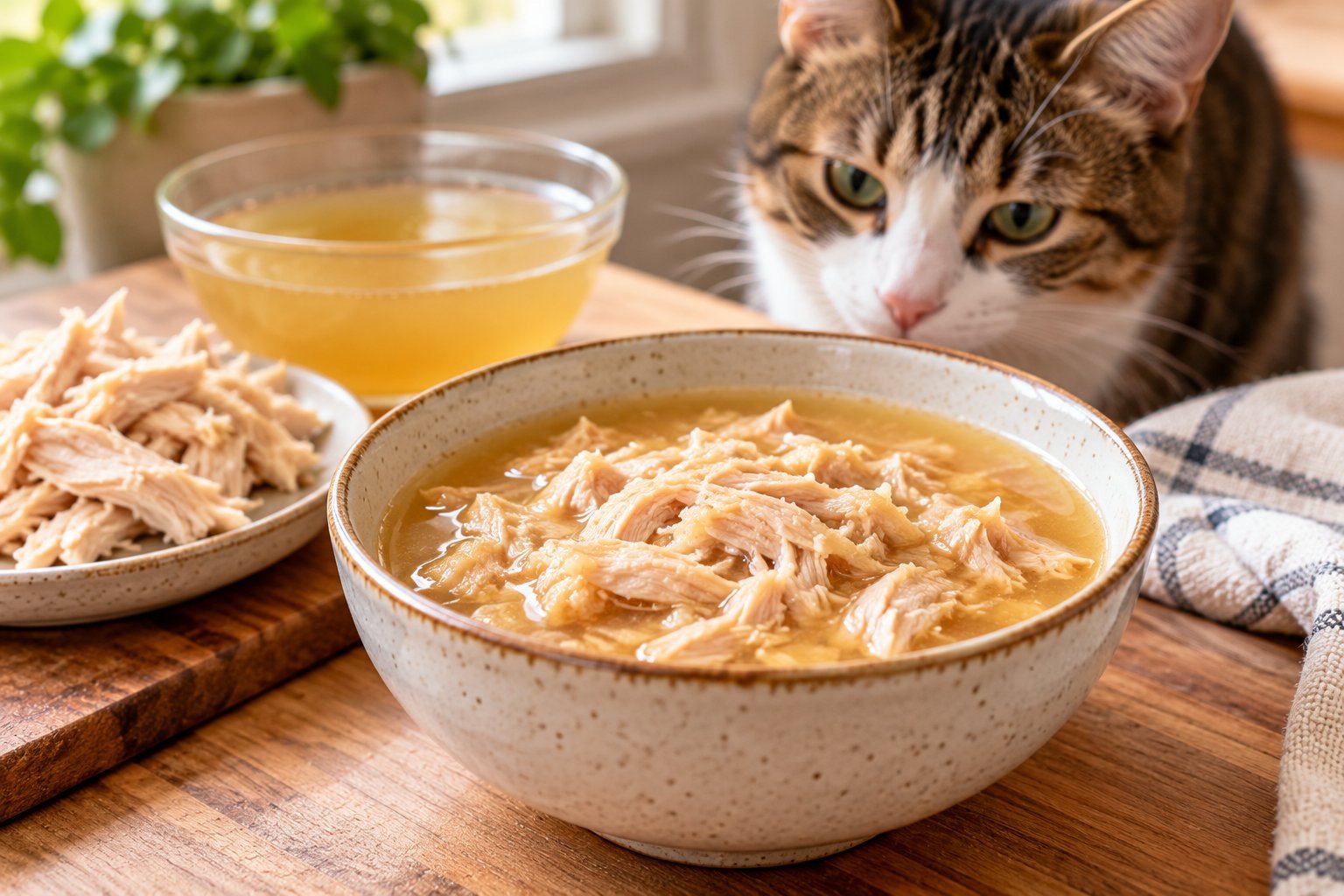
Gravy has become one of the more reliable ways to get a hesitant cat excited about mealtime, and chicken broth is really the foundation that makes it work.
It’s mild, widely available, and carries an aroma most cats respond to immediately, whether it’s poured over their regular food or served as a small addition on its own.
This guide walks through one simple, flexible chicken broth gravy you can adjust depending on whether you’re using it to encourage a picky eater, add moisture to a dry food diet, or simply make an ordinary meal feel a bit more special.
If you want to explore more homemade options beyond gravy, a few related guides are worth having open alongside this one.

Homemade chicken cat food recipe and easy chicken based homemade cat recipes cover full meals built around the same protein, homemade wet cat food recipes cats actually love and beginner homemade cat soup recipes for hydration offer more moisture focused options, healthy homemade cat gravy toppers for picky eaters and affordable homemade cat gravy food budget recipes go deeper into the gravy and topper side of things specifically, cat food ingredients to avoid is worth a look for label reading in general, easy homemade cat food recipe is a good full meal companion to pair with this gravy, and cat weight gain meals and homemade cat food for senior cats cover feeding for specific needs where a gravy topper often helps most.
Disclaimer: This post may contain affiliate links, which means I may earn a small commission at no extra cost to you. Always consult your veterinarian before introducing homemade recipes or changing your cat’s diet to ensure it is safe and nutritionally balanced.
Amazon Shopping List You Need
- Nonstick Saucepan with Lid
- Unsalted Chicken Broth (Low Sodium, Cat Safe)
- Immersion Hand Blender for Smooth Gravy
- Stainless Steel Cat Food Bowls
- Glass Meal Prep Containers with Lids
- Measuring Cups and Spoons Set
- Silicone Freezer Cubes Tray (Gravy Portions)
Why Gravy Works So Well for Cats
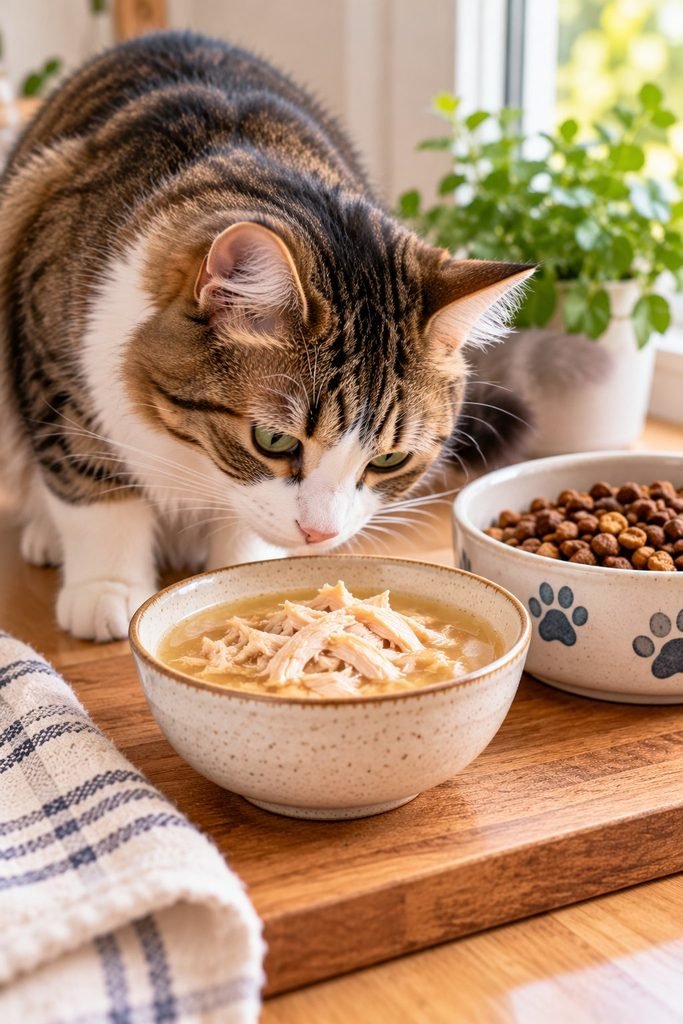
A cat’s sense of smell is dramatically more sensitive than a person’s, and aroma plays an outsized role in whether they’re interested in a meal at all.
A warm, savory gravy poured over food amplifies that aroma considerably compared to dry kibble or even plain wet food sitting at room temperature, which is exactly why it tends to work so well on a cat who’s been picky, recovering from an illness, or simply getting older and less interested in food than they used to be.
Gravy also adds moisture, which matters given how little many cats drink on their own, and it’s a genuinely easy way to hide a supplement or medication your cat might otherwise refuse.
An Important Note Before You Start
This gravy is meant as a topper or flavor enhancer, not a meal replacement, so the same taurine and calcium concerns that apply to a full homemade meal are less critical here given the small quantity typically used.
That said, the same ingredient safety rules still apply in full. Broth used for a cat’s gravy needs to be completely free of onion and garlic, which are common flavoring agents in broth made for human consumption but genuinely unsafe for cats even in small amounts.
If you plan to use gravy as a large or regular part of your cat’s diet rather than an occasional topper, it’s worth discussing with your veterinarian to make sure it isn’t displacing meaningful nutrition from their complete food.
Understanding the Ingredients
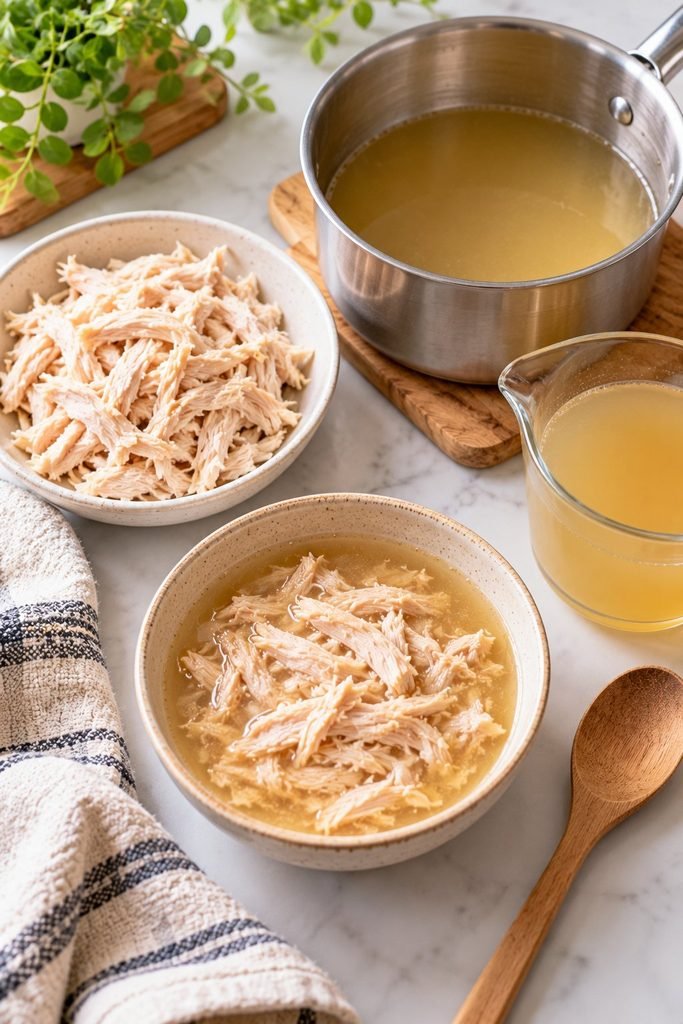
Low sodium chicken broth. The entire foundation of this recipe, broth needs to be completely plain, with no onion, garlic, or excessive salt.
Making your own by simmering plain chicken with nothing added gives you the most control, though a carefully checked store bought version works well too.
Cooked chicken, optional. A small amount of finely shredded chicken adds body and a bit of extra protein to the gravy, turning it from a thin liquid into something closer to a topping with real substance.
A thickener. A small amount of rice flour or plain unflavored gelatin gives the gravy a bit of body without needing to reduce it for a long time on the stove.
Rice flour creates a smoother, more traditional gravy texture, while gelatin sets into something closer to the gel found in some commercial wet foods once cooled.
Water. Used to adjust the final consistency, since broth alone combined with a thickener can sometimes turn out thicker than intended.
Ingredients I Avoid
Onion, garlic, excessive salt, any seasoning blend, milk or cream in large amounts, and store bought gravy packets made for human food all have no place in this recipe.
Human gravy mixes in particular are worth calling out specifically, since they’re seasoned heavily and often contain onion or garlic powder that wouldn’t be obvious without reading the full ingredient list closely.
Homemade Cat Gravy Using Chicken Broth
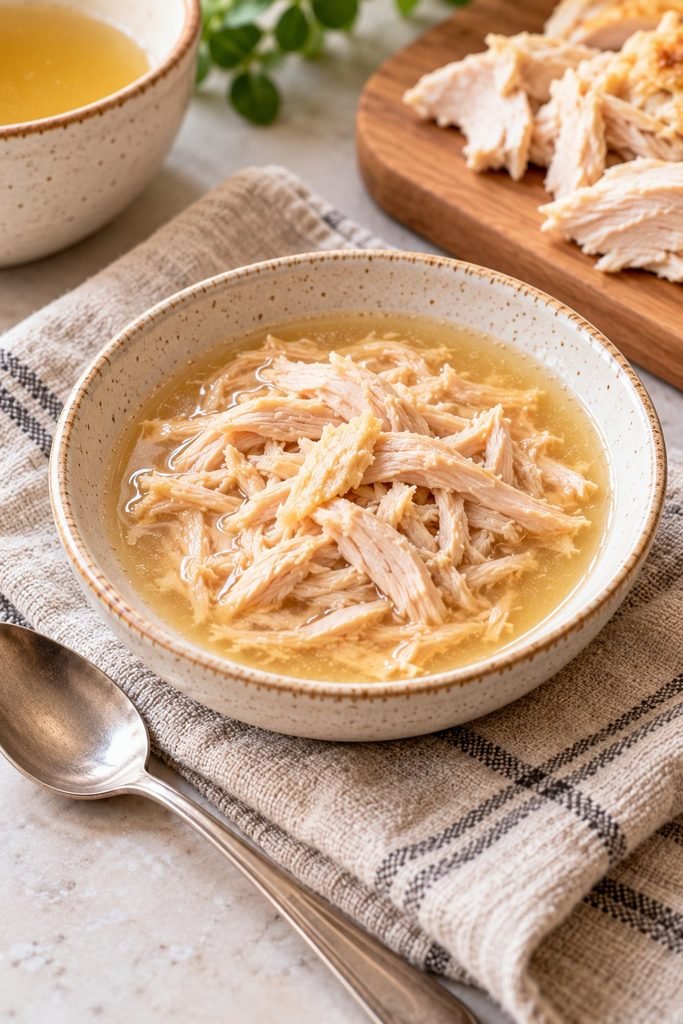
Yield: About 1 to 1.5 cups Prep Time: 5 minutes Cook Time: 10 minutes Total Time: About 15 minutes Storage: Refrigerate up to 3 days, freeze up to 1 month
Ingredients
- 1.5 cups low sodium chicken broth, onion and garlic free. This is the base and flavor source for the entire recipe, so using a broth you trust completely matters more here than in almost any other ingredient.
- 1/4 cup cooked chicken, finely shredded, optional. Adds body and a bit of extra protein, turning a thin gravy into something with real substance a cat can actually chew through.
- 1 teaspoon rice flour, or 1 teaspoon unflavored gelatin. Either works to thicken the gravy slightly, with rice flour giving a smoother, more traditional texture and gelatin setting into a firmer gel once cooled.
- 2 to 4 tablespoons water, as needed. Used at the end to thin the gravy to your cat’s preferred consistency.
How to Make It
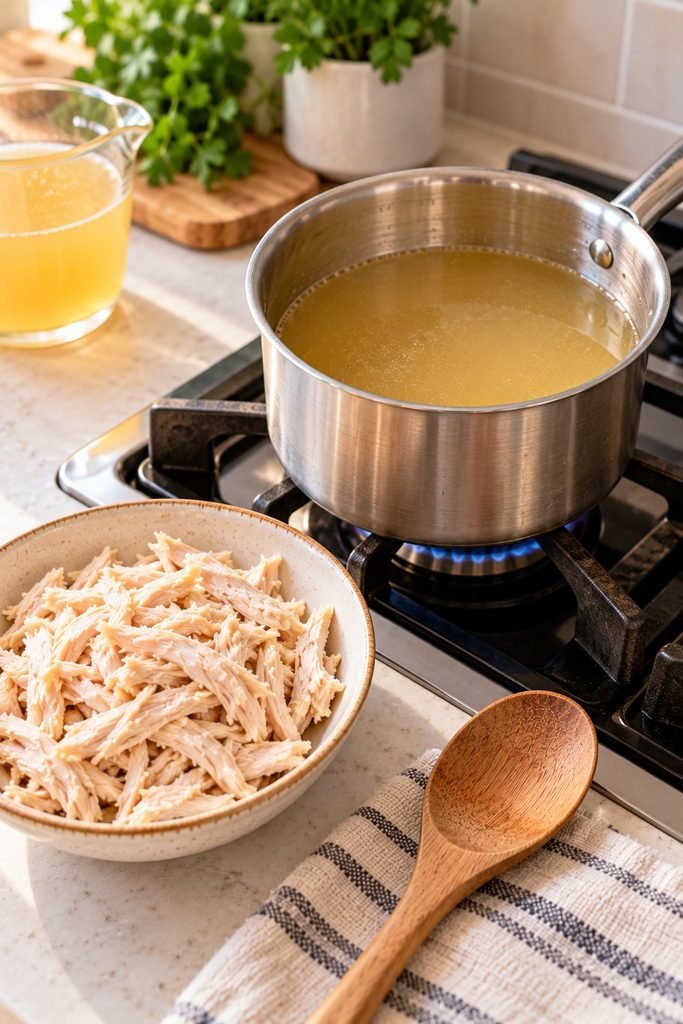
- Pour the broth into a small saucepan and warm over medium heat.
- If using rice flour, whisk it into a small amount of cold water first to form a smooth slurry, then whisk that slurry into the warming broth to avoid clumps. If using gelatin, sprinkle it directly into the warm broth, whisking continuously until fully dissolved.
- Simmer gently for 5 to 7 minutes, stirring occasionally, until the gravy thickens slightly.
- Stir in the shredded chicken, if using.
- Remove from heat and let cool to a safe, lukewarm temperature.
- Thin with water, a tablespoon at a time, until you reach your cat’s preferred consistency.
- Serve immediately, or portion and store for later use.
How to Adjust This Recipe
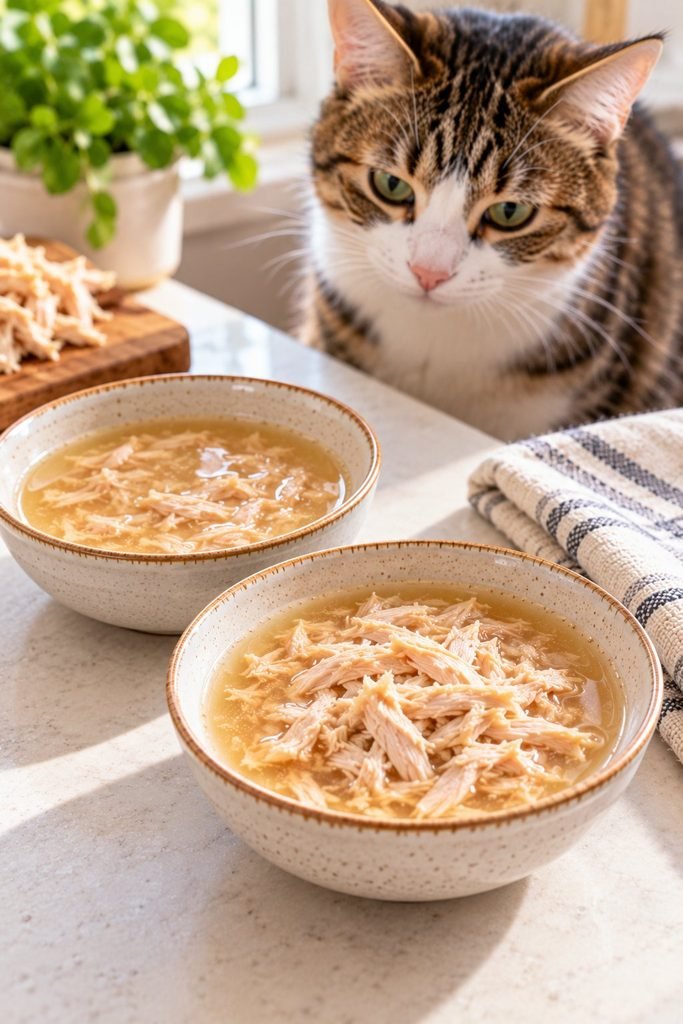
For a thinner, more sippable gravy. Skip the thickener entirely and use the broth largely as is, which works well as a simple topper poured directly over kibble.
For a thicker, more substantial topper. Use the full amount of thickener and a generous portion of shredded chicken, creating something closer to a wet food consistency that can work as a small meal on its own.
For encouraging a picky eater. Warm the gravy slightly more than usual right before serving, since heat amplifies the aroma that tends to be the biggest factor in getting a hesitant cat interested.
For hiding medication. A thicker version with shredded chicken tends to mask the taste and texture of a pill or powder more effectively than a thin, watery gravy.
How Much to Serve
A tablespoon or two poured over your cat’s regular food is typically enough to make a real difference in appeal without meaningfully changing their overall calorie intake.
If you’re using a larger, thicker version as more of a standalone treat, keep the total serving modest, since even a savory, appealing gravy shouldn’t replace a meaningful portion of your cat’s complete and balanced diet.
Storage
Refrigerator. Store in a clean, airtight container for up to 3 days.
Freezer. Portion into small servings, such as an ice cube tray, before freezing, which makes thawing exactly the amount you need for a single meal much easier. Holds well for up to a month.
Serving. Always warm gently to a safe, lukewarm temperature before serving, never straight from the refrigerator or freezer, and never served hot.
Common Mistakes to Avoid
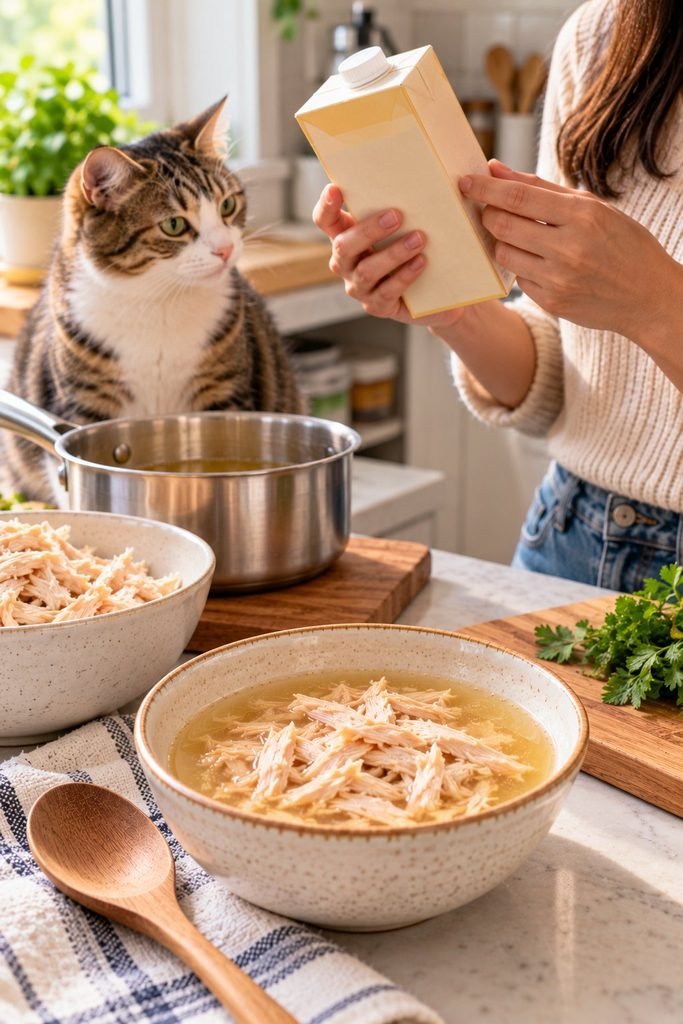
Using a broth you haven’t checked the label on. This is the single most important step in this entire recipe, since onion and garlic show up in a surprising number of otherwise plain sounding broths.
Making the gravy the main event instead of a topper. Even a well made gravy shouldn’t replace a meaningful portion of your cat’s complete food, since it doesn’t provide the same nutritional completeness on its own.
Serving it too hot. Always let the gravy cool to a safe, lukewarm temperature before offering it, since a hot gravy can burn a cat’s mouth and discourage them from trying it again.
Storing it too long. Homemade gravy, especially versions with shredded chicken added, spoils faster than a shelf stable commercial product, so sticking to the 3 day refrigerator window matters.
Using a human gravy packet as a shortcut. These are seasoned for human taste and often contain onion or garlic powder, salt levels, or other additives that make them inappropriate for cats regardless of how convenient they seem.
Good Ingredients to Look For
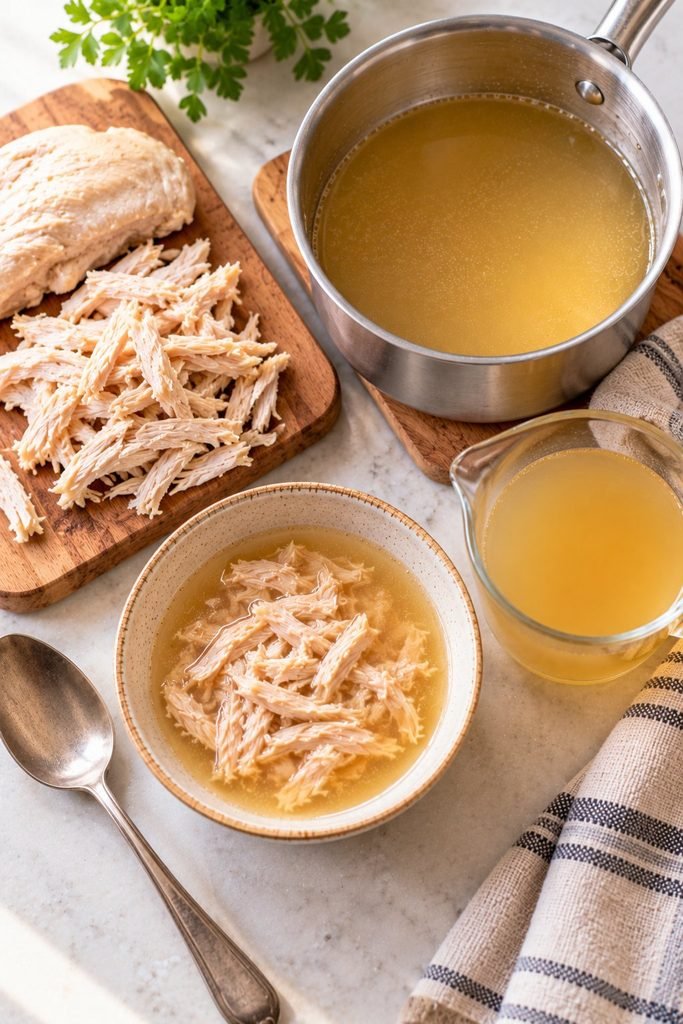
Plain, low sodium broth. The foundation of this entire recipe, and worth checking carefully every time, even on a brand you’ve used before.
Named animal proteins. Chicken tells you exactly what’s going into the gravy, which is always preferable to a vague or unspecified flavor source.
Simple thickeners. Rice flour or plain gelatin do the job without introducing any unnecessary additives or flavoring.
Nothing artificial. No added salt, seasoning, or flavor enhancers belong in a gravy meant specifically to be simple and safe.
Frequently Asked Questions
Can I use this gravy every day? Yes, as an occasional topper in modest amounts, it’s generally fine for daily use, though it shouldn’t replace a meaningful portion of your cat’s complete and balanced diet.
Is store bought chicken broth safe to use, or should I make my own? Store bought broth can work well as long as you check the label carefully for onion, garlic, and excessive sodium. Homemade broth gives you the most control if you’re unsure about a specific product.
Can I add vegetables to this gravy? Cats don’t require vegetables the way dogs do, so it’s best to keep this recipe focused on broth and protein rather than adding vegetables that don’t offer much benefit to an obligate carnivore.
Does this gravy need a taurine supplement? Not typically, since it’s meant as a topper in small quantities rather than a meal replacement. If you’re using a large amount of this gravy as a significant part of your cat’s regular diet, it’s worth discussing with your veterinarian.
Can kittens have this gravy? In small amounts, generally yes, though it should stay a minor addition to their complete kitten food rather than a significant part of their diet given their more specific growth related nutritional needs.
How long does homemade cat gravy last in the fridge? Generally about 3 days when stored in a clean, airtight container.
Can I freeze this gravy? Yes, portioning it into small servings before freezing, such as in an ice cube tray, makes thawing exactly what you need for a single meal much easier, and it holds up well for about a month.
Can I use this gravy to hide a pill? Yes, particularly the thicker version with shredded chicken added, which tends to mask both the taste and texture of a pill more effectively than a thinner gravy.
Why is my gravy too thin even after adding the thickener? Make sure the rice flour is fully whisked into a smooth slurry before adding it to the broth, since adding it directly without pre mixing can cause clumping that prevents even thickening.
Can I use beef broth instead of chicken broth? Yes, as long as it’s plain, low sodium, and free of onion and garlic, beef broth works as a direct substitute if you want a different flavor profile.
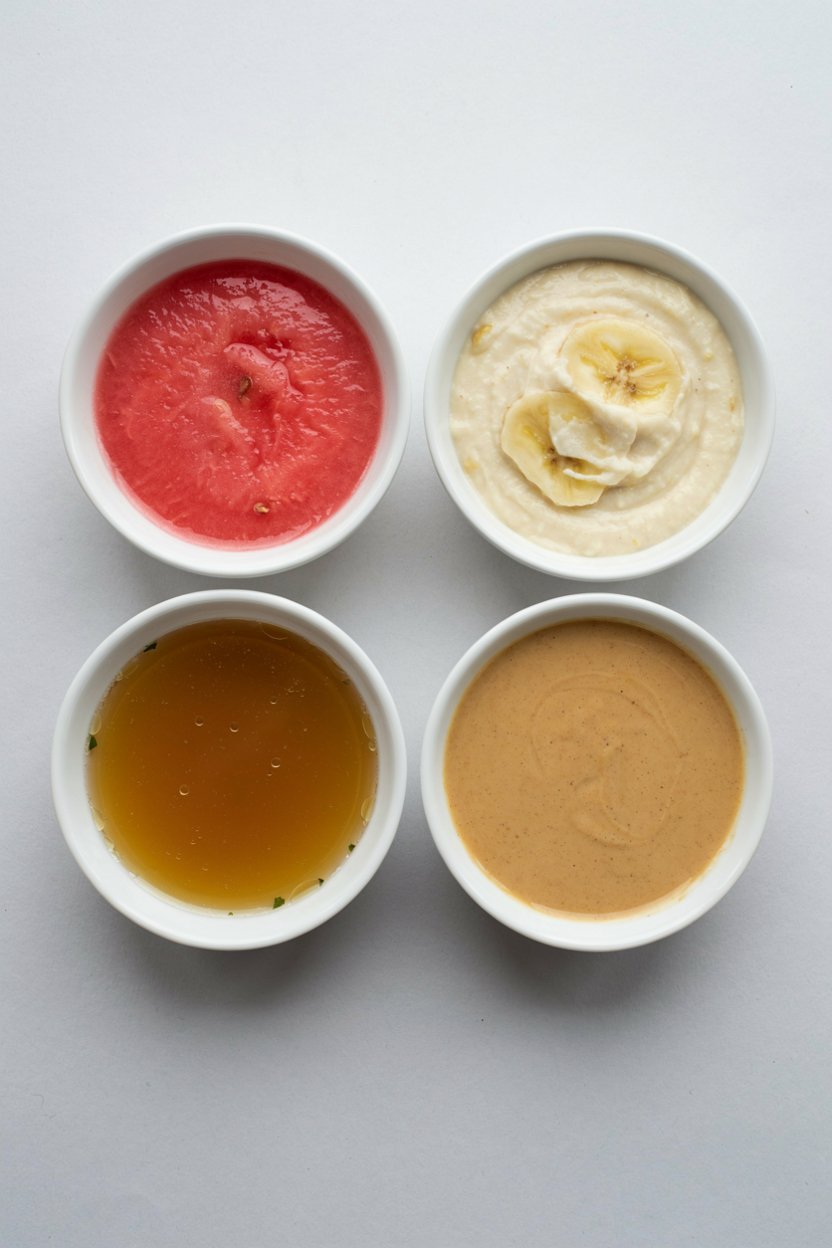
Homemade Cat Gravy Using Chicken Broth
Ingredients
Equipment
Method
- Pour the chicken broth into a small saucepan and warm gently over low heat.
- Sprinkle the gelatin powder over the warm broth.
- Stir continuously until the gelatin has completely dissolved.
- Add the shredded cooked chicken and stir until evenly distributed.
- Remove from the heat and allow the gravy to cool to a safe serving temperature.
- Spoon a small amount over your cat’s regular food and serve.
- Choose chicken broth that contains no onion, garlic, or heavy seasoning. Avoid broths with excessive sodium or ingredients that may be unsafe for cats.
- This gravy is intended as a moisture rich topper or occasional treat, not as a complete and balanced meal. Refrigerate leftovers promptly and serve them fresh.
Final Thoughts
A simple chicken broth gravy is one of the easiest things you can make to get a hesitant cat genuinely excited about a meal, and it costs very little in time or ingredients relative to how much appeal it adds.
Keep it plain, keep the broth carefully checked, and use it as the flavorful supporting player it’s meant to be rather than the main event, and it becomes a genuinely useful tool for picky eaters, older cats, or anyone who could use a bit more moisture in their regular diet.

3 Comments